Hair Toppers or Full Wigs? Help Family Compare Coverage
Choose a topper when coverage is needed at the crown or along a parting and surrounding hair can blend it. Choose a full wig when the intended change involves the whole outline, or when blending with surrounding hair is impractical. This is a coverage decision before it is a colour decision. Start by identifying the visible area that the wearer wants the piece to address.
Hypothetical planning example: assume six hours indoors and one fixed left part. Assume usable side hair. Start with a topper trial. If the edge shows after ordinary head turns, compare a full wig at the same appointment. These are planning assumptions, not evidence of a result. Their value is that they make a fitting request precise without predicting comfort or appearance.
This guide explains the coverage distinction, then follows it through routine, fitting, materials, care, budget, and family support. It includes movement checks, questions for a consultation, and a simple decision sequence. The aim is not to persuade someone toward a category. It is to help the wearer decide which questions deserve a real fitting. It also explains where a family helper can observe without taking over the decision.
Canvas Texture Editorial · 2026-10-16
1. Start with the coverage question
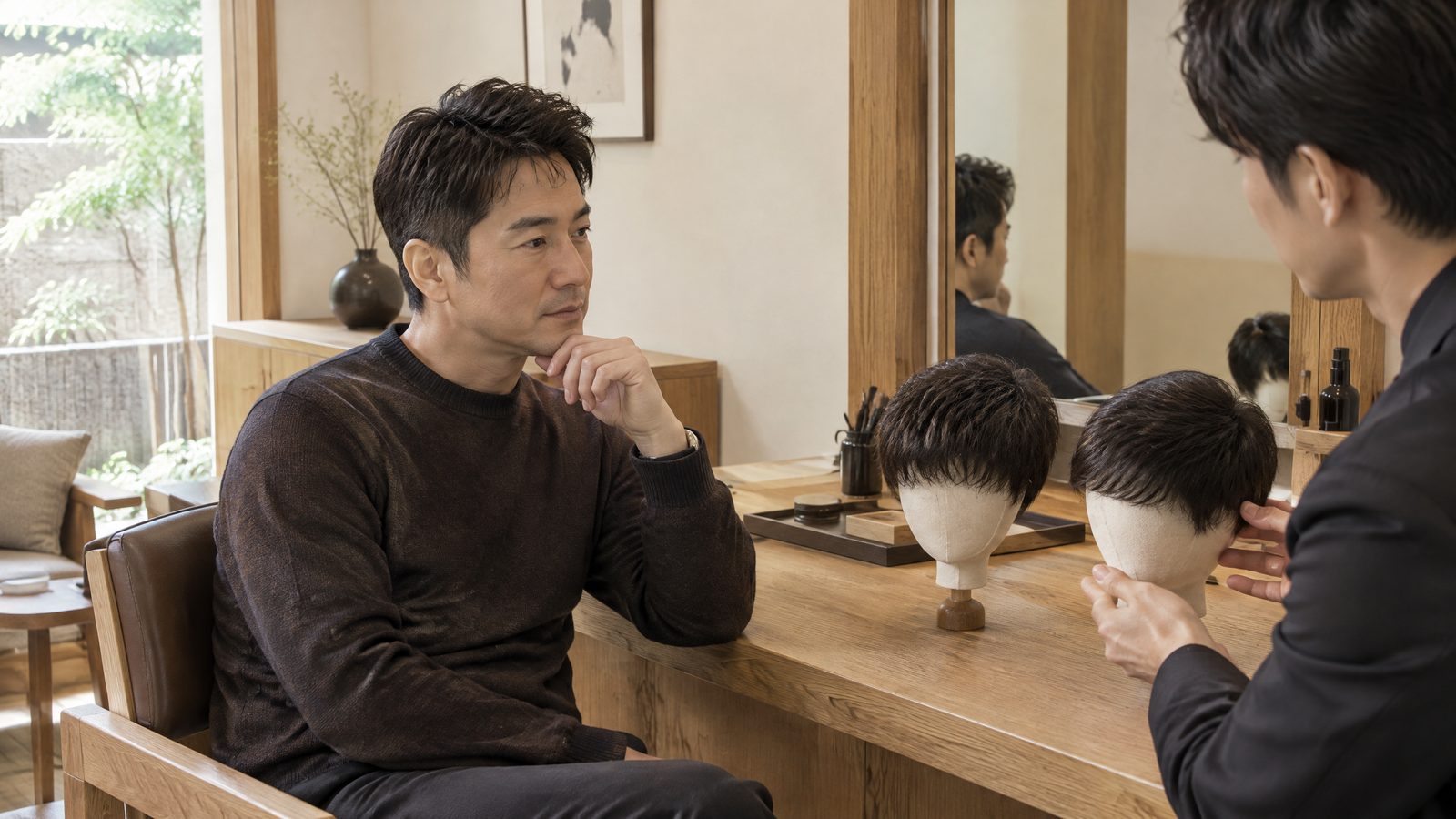
Coverage means the part of the head and hairstyle that the piece is expected to supply. A topper is a partial piece placed over a defined area, often around a crown or parting. A full wig provides the visible style across the head. That difference determines where an edge must blend, which hair remains visible, and what the wearer must check when moving.
Ask the wearer to describe the concern in locations rather than impressions. “The crown opens under overhead light” is more useful than “I need more hair.” Identify what should remain visible. It may be fringe, temples, side hair, or nape. These details turn an emotional choice into a design brief. They also prevent a larger option from seeming necessary simply because it looks dramatic in a photograph.
Separate the coverage decision from the style decision. First map the area that needs attention. Then compare length, texture, parting, and colour within options that cover it. A topper may preserve a familiar side profile because existing hair remains part of the look. A full wig may create a more complete change. In that case, the cap and cut carry the overall silhouette.
Coverage is the starting point; style is the refinement that follows.
2. Compare blending, movement, and daily effort
A topper works with the wearer’s own hair, so the transition deserves as much attention as the top view. Look at density, direction, length, and the point where the base ends. A full wig relies less on surrounding hair for the outline. Its fit, hairline, nape, and proportions therefore become central. Neither route is automatically simpler. The better option matches the available hair and the wearer’s routine.
Test movement before deciding that a sample looks convincing. Ask the wearer to look down, turn sideways, tuck hair behind an ear, and return to the usual parting. A topper can reveal an edge when the part changes. A full wig can appear balanced from the front yet feel loose at the nape. Ordinary gestures uncover placement questions that a still, front-facing mirror cannot show.
Daily effort is a genuine trade-off, not a minor afterthought. A topper may need coordinated styling as surrounding hair grows or changes direction. A full wig may reduce that blending task, but requires attention to cap placement and the complete shape. Ask who will put the item on, who will maintain it, and how much time is realistic each morning. The most manageable option is often the one that fits available help.
Make the trial sequence consistent. Position each sample, check it before styling, then repeat the same four movements in the same light. Photograph only with the wearer’s permission, and use the images as a placement record rather than a beauty ranking. This method makes it easier to compare two options fairly. It also reveals whether the apparent difference comes from coverage, placement, or a rushed first impression.
| Question | Topper direction | Full wig direction |
|---|---|---|
| Main area | Focused crown or parting | Broader outline or complete style |
| Hair retained | Used for blending | Less central to the outline |
| Key fitting check | Base edge and parting | Cap, hairline, and nape |
| Daily task | Coordinate with existing hair | Position the complete shape |
3. Match coverage to the wearer’s routine
A useful routine description names the situations that challenge the style. Consider commuting, indoor lighting, outdoor humidity, exercise, headwear, and how often the wearer changes a part. Occasional wear may place more weight on storage and quick preparation. Longer wear makes comfort, secure positioning, and care easier to prioritise. These are questions for comparison, not promises that one construction will perform the same way for everyone.
Before browsing samples, use the ownstrand-wigs.com · hair toppers guide to identify the requested coverage area and base questions. The page can provide names for local coverage options. It cannot show whether a particular edge will blend with the wearer’s hair. Bring its terms to a fitting. Then inspect an actual sample with the usual parting, lighting, and movement. Note where the edge might be visible during a normal day.
Write the normal routine in a short note for the appointment. For example, note whether work is indoors, wear lasts six hours, the part stays left, and restyling is unwelcome. The note sets practical boundaries for a trial. If the wearer later changes jobs, activities, or styling habits, revisit the choice. A good fit is a fit for repeated ordinary wear, not only for a photograph.
When routines differ between weekdays and special events, plan for the routine that occurs most often. A piece chosen only for a seated dinner may create extra work on a commuting day. Conversely, a practical workday option can still be assessed for an occasion. State which routine has priority before comparing samples. That choice clarifies whether quick placement, styling flexibility, or less visible blending effort matters most.
4. Build a fit and colour process
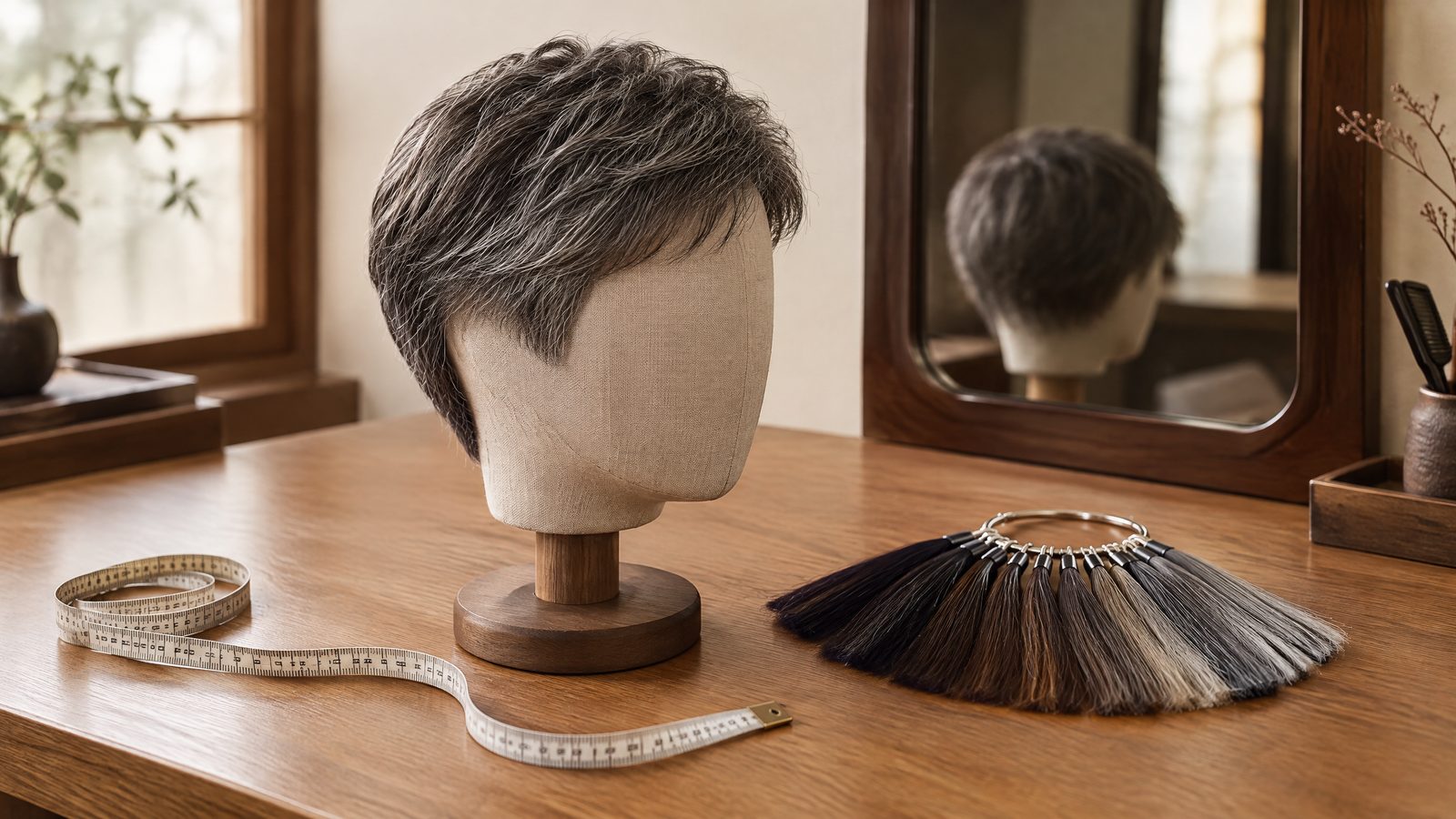
Compare colour in more than one light. Showroom lighting can soften root contrast, while daylight may reveal warmth, grey, or a different depth. Bring an unfiltered photograph and describe the usual styling direction. The goal is not to declare a perfect shade from a screen. It is to give the fitter a reliable reference for comparing samples with surrounding hair and the normal parting.
Fit involves more than one number. For a topper, record the front-to-back and side-to-side area that needs coverage. For a full wig, inspect the hairline, temples, crown, sides, and nape. A family member can watch the side and rear during movement. Specific feedback helps. An edge may appear when looking down. The nape may lift after a turn. These observations are more actionable than a vague sense that something feels wrong.
For an overall-style shortlist, the OWNSTRAND women's wigs guide can help families name questions about shape, colour, and samples. Treat it as a related-brand resource, not as a substitute for fitting. It cannot confirm that a listed style will suit one person. Ask whether a sample is representative, what can be adjusted, and which product details must be confirmed before an order.
5. Compare materials without broad promises
Material labels describe a starting point, not a complete care plan. Human hair can offer familiar movement, but it still has product-specific handling needs. Synthetic fibre may hold a set shape, while its heat limits depend on the maker’s instructions. Blends combine characteristics, yet their cap construction and care requirements still matter. Ask for the fibre type, base details, approved tools, and written care guidance before choosing.
Cancer Research UK notes that wigs may use human hair, synthetic fibre, or a mixture. It also advises following manufacturer instructions for heat tools on synthetic hair. Higher price does not automatically mean a more natural appearance 2. Use that principle during a local comparison. Inspect construction and fit directly, and confirm Hong Kong pricing, timing, and availability with the seller.
Care planning belongs in the initial decision. Ask how the item should be stored, brushed, washed, dried, and transported. Ask which chemicals, heated tools, or styling services are not permitted. If the wearer wants colour work, a perm, or frequent heat styling, pause until the specific instructions are checked. A salon can help plan appearance, but it should not turn an uncertain care question into a universal safety claim.
Do not treat a product description as a complete specification. Ask whether the quoted fibre, cap, size, and finish belong to the exact sample being considered. Request clarification when a feature is optional, varies by colour, or is not shown on the sample. This small check avoids comparing an imagined configuration with a real one. It also makes later care advice more relevant to the item actually chosen.
6. Treat comfort and safety as decision criteria
Comfort is a fit signal, not a test of endurance. Check the temples, hairline, crown, and nape separately during a trial. Move gently and notice whether the item shifts, pinches, folds, or pulls. Remove it if the wearer feels pain or irritation. Judge a secure result through normal movement and product guidance. Pressure alone does not prove that an item will stay in place.
The American Academy of Dermatology warns that prolonged pulling can contribute to traction alopecia. It also advises attention when a hairstyle hurts 1. This guidance concerns tension from hairstyles. It does not certify a wig, topper, attachment method, or salon. Discuss pain, ongoing irritation, or concerning shedding with a clinician. A commercial fitting is not a health assessment. Do not use a cosmetic result to dismiss symptoms that need medical advice.
Keep appearance questions separate from health questions. Coverage, colour, texture, and styling are appearance questions. Sudden change, inflammation, pain, or suspected scalp disease are health questions. That distinction makes a family conversation safer and more respectful. It also removes pressure to purchase before the wearer feels ready. A useful appointment can record unanswered concerns without pretending to diagnose or resolve them.
Comfort should be tested in motion, never inferred from a polished mirror pose.
7. Plan the visit, budget, and next step
Set a budget range before visiting, then ask what the quotation covers. OwnStrand publishes custom examples of HK$2,780, HK$3,280, and HK$5,680 for different constructions. Those examples are not a catalogue-wide price list. The site also states a three-to-five working-day making period. Treat that as making time, not a delivery promise. Confirm the current specification, included work, adjustment terms, and final scope directly.
Ask who will measure, which samples can be tried, and whether a return fitting is part of the arrangement. For a topper, ask where the base will sit over the selected area. For a full wig, ask how the hairline and nape will be reviewed. OwnStrand describes a Kwun Tong process with samples, head measurements, making, and fitting adjustments. Confirm current appointment details before travelling, because arrangements can change.
Use a labelled planning example to decide what to test first. Assume a local crown concern, useful side hair, six hours of wear, and one stable part. Start with topper samples under those assumptions. If an edge cannot blend during movement, compare a full wig. This is not a prediction or a personal result. It simply turns a broad choice into a sequence that can be tested during a fitting.
| Planning item | Question to ask | Reason |
|---|---|---|
| Coverage | Where will each edge sit? | Tests whether blending is feasible |
| Fitting | What can be adjusted? | Separates a sample from the final item |
| Timing | Is this making time or delivery time? | Avoids schedule assumptions |
| Cost | What does the quotation include? | Keeps examples from becoming promises |
- Bring an unfiltered photo taken in ordinary daylight and indoor light.
- Write down the usual parting, wear time, and moments when movement matters.
- Ask which parts of the quotation cover making, fitting, and any later adjustments.
- Record the exact movement or angle that exposed an edge during a trial.
8. Keep family support respectful and useful
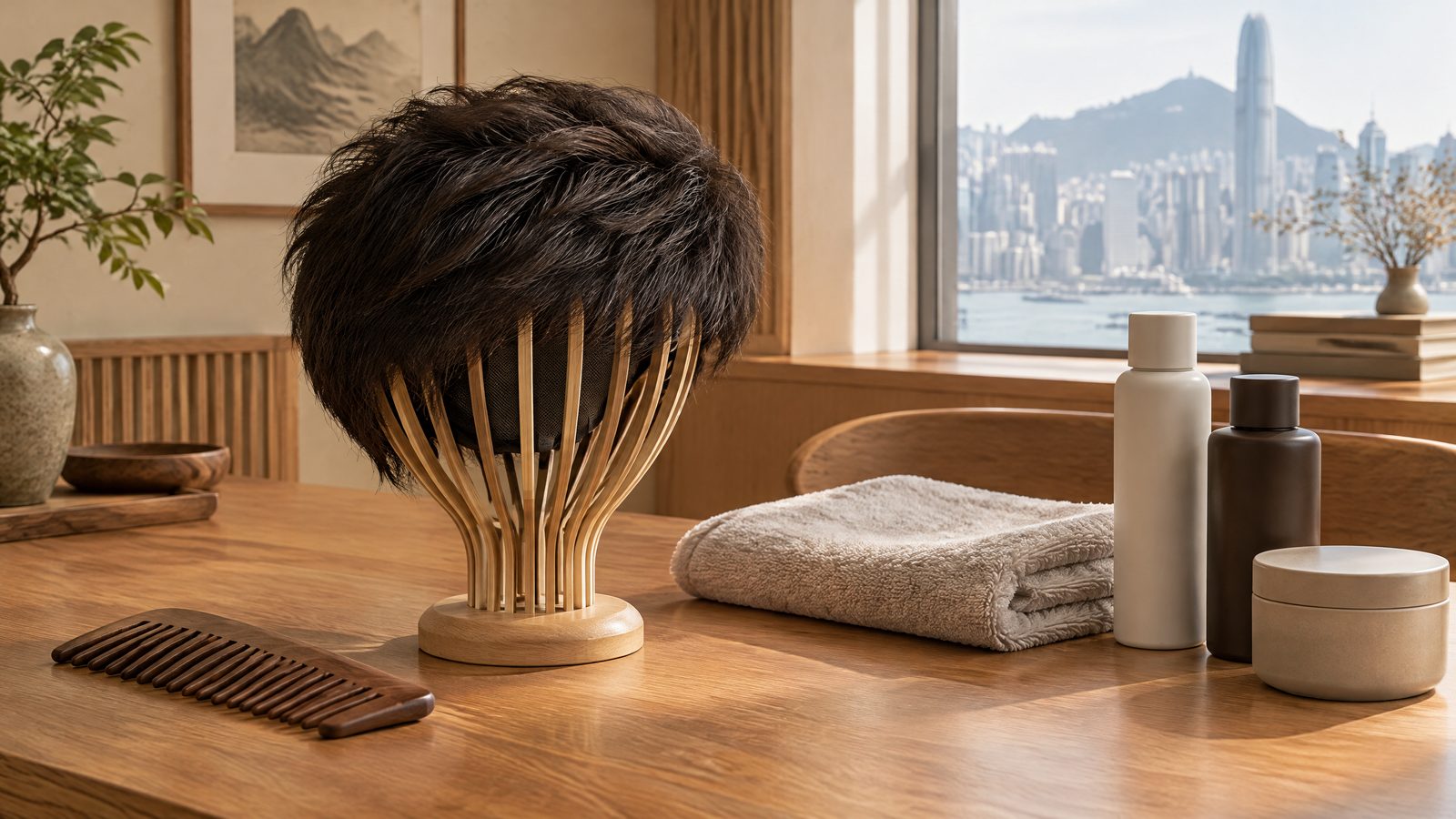
The wearer should make the final choice. Family members can observe difficult angles, help record questions, and compare options against the stated routine. They should not frame the person as a problem to solve. Neutral language works better: coverage area, preferred outline, and comfortable fit. This keeps a sensitive appointment a design conversation. It also gives the wearer room to decline a style that does not feel like them.
Use three rounds to narrow the choice. First remove options that miss the requested coverage area. Next remove options that conflict with comfort or care limits. Then compare the remaining options under movement and ordinary lighting. If two choices still work, favour the one the wearer can explain and maintain. This process makes family disagreement more concrete because it replaces broad opinion with visible criteria.
For the final comparison, comparing hair topper vs wig options can provide shared terms for local and complete coverage. It is a related-brand resource, so use it to prepare questions rather than as a verdict. Return to the wearer’s movement, comfort, lighting, and routine before deciding. A resource page cannot establish personal suitability, and a fitting cannot predict every future day. Review the plan if the routine or coverage need changes.
A helpful family member asks open questions before offering an opinion. Ask what the wearer notices under daily lighting. Ask which part of the routine feels burdensome. Ask whether an option still feels comfortable after movement. Wait for an answer before suggesting another category. That approach supplies useful observation without replacing personal preference. It is especially valuable when several relatives have different ideas about what looks best.
Sources and useful reading
Continue reading
Continue with natural hair planning: Perm for Thin Hair Men HK
Another related decision guide: Hair Loss and Wig Planning: Separate Styling from Care
Read our studio background: Vit So and Canvas Texture
Plan a Canvas Texture hair consultation
Bring a short note about preferred shape, density, and routine to Canvas Texture hair. We can help clarify the appearance plan and salon questions. OwnStrand confirms wig fit and product specifications separately.
Canvas Texture WhatsAppFrequently asked questions
Is a topper always less noticeable than a full wig?
No. A topper depends on its edge, density, colour, and surrounding hair. A full wig depends on cap fit, hairline, nape, and proportions. Test both through movement and ordinary lighting.
Can a salon diagnose why hair is thinning?
No. A salon can discuss appearance, fit, and care. Sudden shedding, pain, persistent irritation, or scalp symptoms should be discussed with a qualified clinician.
Do the published HK$ prices apply to every OwnStrand item?
No. HK$2,780, HK$3,280, and HK$5,680 are published custom examples for different constructions. Confirm the current quotation, specification, and included services directly.
What should a family member bring to a fitting?
Bring an unfiltered photo, the usual parting, a note on wear time, and specific comfort or movement concerns. Let the wearer test the option and make the final decision.