Bridal Trials and Groom Styling: Test the Whole Wedding Look
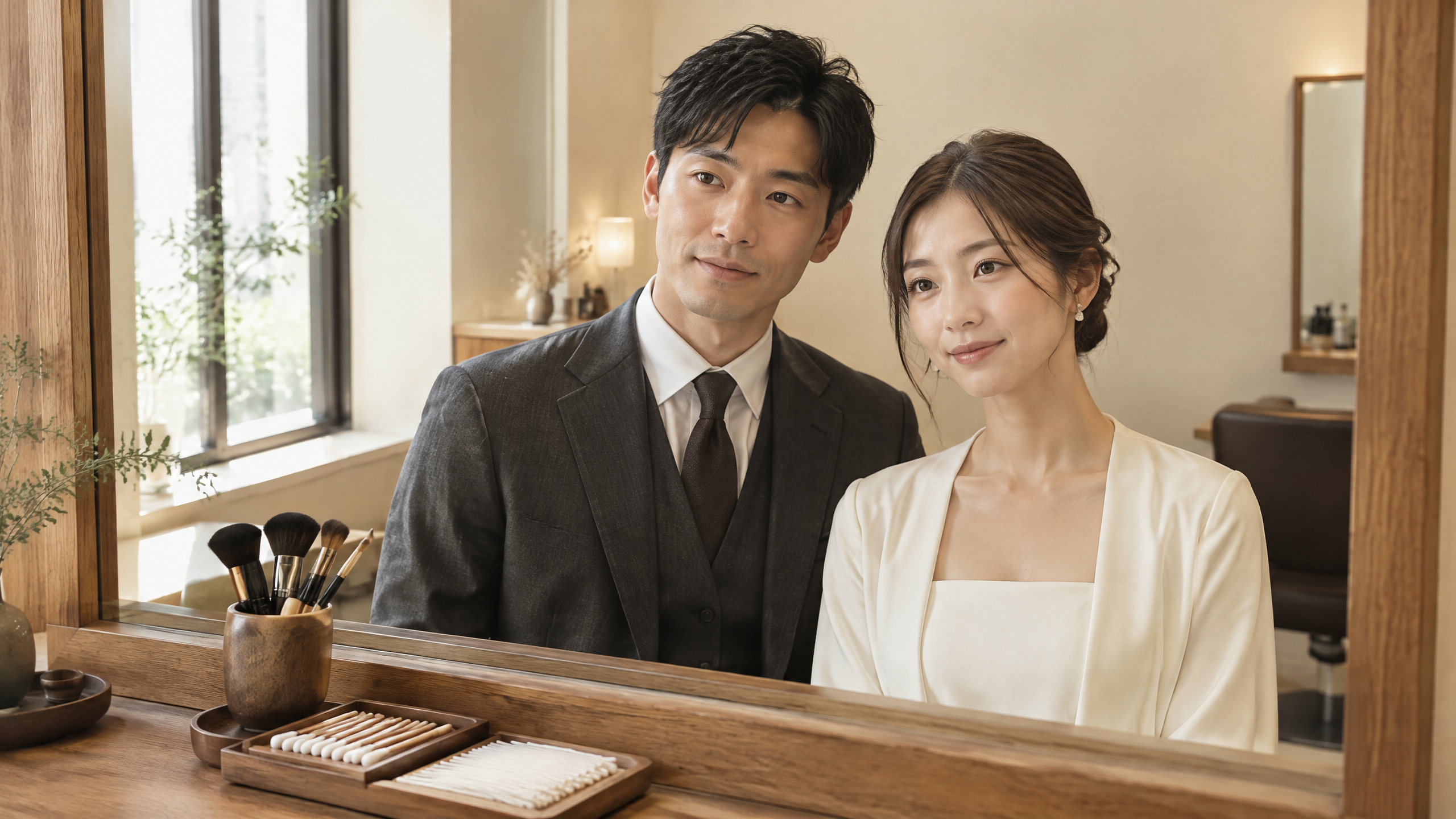
The most useful bridal trial is not a bride-only appointment: it is a controlled test of the couple’s complete visual balance. Coordinate the bride’s makeup and hair reference with the groom’s haircut, texture, facial hair and outfit, then judge the result in the lighting and photos you will actually face; this catches proportion, shine and timing problems before the wedding day.
01
Start with the shared wedding brief, not isolated inspiration
Before anyone books a trial, agree what the wedding should communicate in photographs and in person. A ballroom evening, a bright registry ceremony, a beach portrait session and a traditional banquet place different demands on contrast, shine and formality. Collect the venue, ceremony time, key outfits, colour palette, photography plan and any outfit changes in one short brief. This lets both partners make decisions from the same situation rather than each bringing a separate mood board.
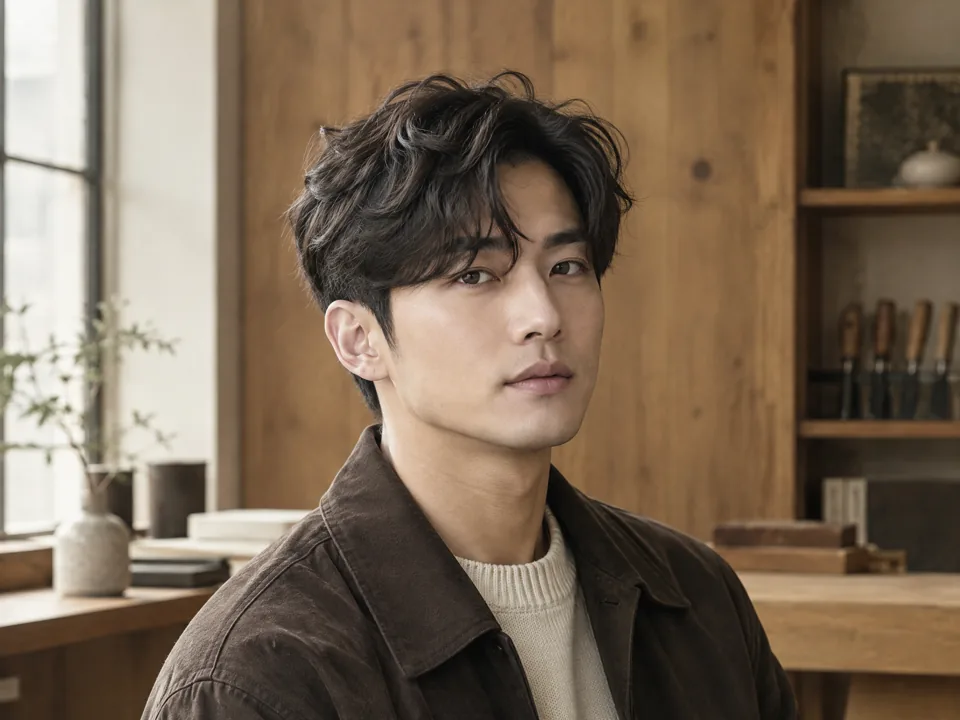
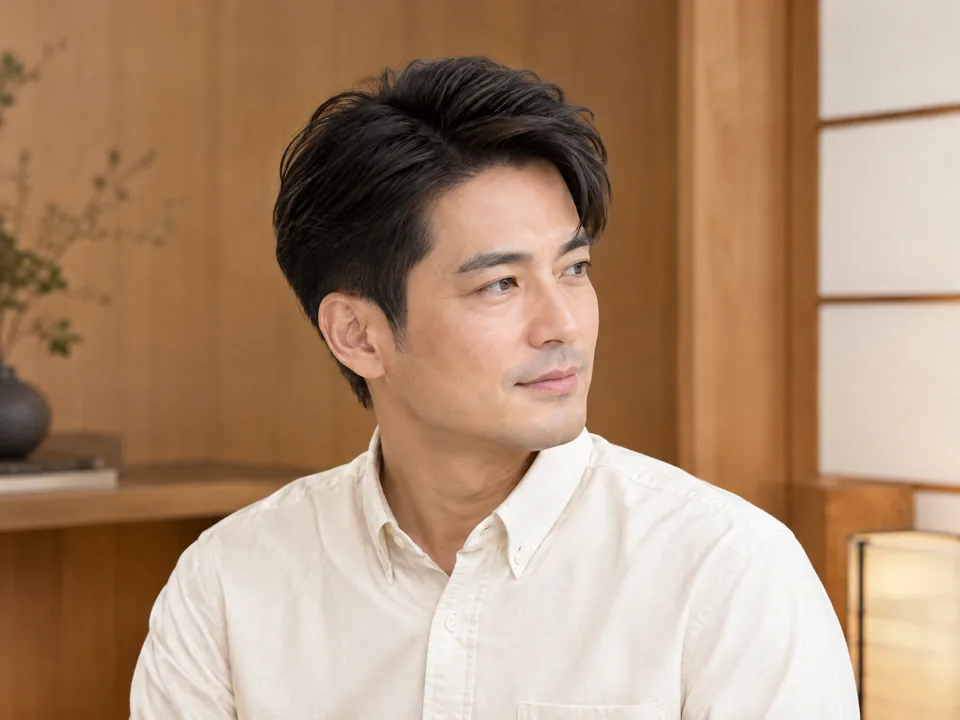
The groom’s hair is part of that visual brief. A very high-volume perm can make a soft bridal updo feel visually small; a severely flattened crop can look out of scale beside a dramatic veil. Neither is automatically wrong. The question is whether the silhouettes share an intended level of structure. Note the groom’s natural parting, cowlicks, hair density, beard or stubble, glasses and usual styling tolerance. Also note what must remain recognisably him. A trial should refine identity, not replace it.
Create two or three reference groups rather than saving dozens of disconnected images: for example, clean and understated, textured and modern, or formal and sculpted. Label what you like in each image—side profile, fringe direction, cheek definition, skin finish, or overall shape. A reference is evidence of a preference, not a promise that the same result suits a different hairline, face shape or weather condition.
- Write the venue, time, weather exposure, photography style and outfit changes at the top of the brief.
- Mark non-negotiables for each partner: a parting, a beard length, a makeup finish, a veil position or a pair of glasses.
- Bring front, side and three-quarter references; a front-facing image alone hides important shape and proportion issues.
- Separate inspiration from required function, such as staying neat through a long ceremony or fitting under a helmet for transport.
02
Coordinate the appointment so the comparison is fair
A useful trial is a decision session, not a race to collect as many looks as possible. Share the wedding brief before confirming the appointment and ask what the session includes, what must be supplied, and whether the planned hairstyle is intended to be tested alongside the makeup. The verified resource for a bridal trial Hong Kong describes a trial format involving one makeup look and one hairstyle; treat the provider’s current written scope as the controlling information and ask how the groom’s styling can be coordinated around it.
For the groom, decide whether the trial should test a haircut, a styling finish, a perm direction, beard shaping or only product technique. A major cut immediately before the bride’s trial may make comparison difficult because the hair has not settled and the groom may still be learning how it moves. If a cut is necessary, allow enough recovery time to see the true outline. If the wedding style depends on a perm or colour change, discuss maintenance, regrowth and fallback styling before committing; the most photogenic first-day result is not automatically the most reliable wedding-day choice.
Use the same or similar clothing neckline, collar height and glasses that will appear in portraits. A high collar changes the apparent length of the neck, while a dark jacket can make a pale makeup finish and fine hair look higher in contrast. Bring the actual veil, hair accessory or boutonniere only if it is safe and practical to do so. Otherwise, bring measurements and photographs, and state where each item will sit.
| Situation | Bride-side test | Groom-side test | Decision question |
|---|---|---|---|
| Soft daylight ceremony | Check skin finish and subtle eye definition | Check texture without excessive shine | Do both faces retain detail without looking flat? |
| Formal evening banquet | Check definition under warm indoor light | Check clean outline and controlled volume | Do the silhouettes feel equally intentional at table distance? |
| Outdoor portraits | Check touch-up and wind response | Check parting, flyaways and product rework | What can be reset quickly between locations? |
| Multiple outfits | Identify one adaptable base look | Choose a shape that can be restyled | Which changes need a new product or a full redo? |
03
Judge men’s hair by shape, texture and movement
During the comparison, do not judge the groom’s hair only from the mirror front-on. Photograph front, side and three-quarter views from the approximate portrait distance. Look at the relationship between the hair’s widest point and the bride’s veil or updo, the amount of forehead showing, and whether the sides create a tidy frame around the face. A style can look impressive close up yet disappear in a group photograph, or look restrained in the mirror yet provide exactly the right balance beside a detailed dress.
Texture needs its own test. Matte clay, cream, pomade, spray and a light oil-like finish can each change how thick or separated hair appears. Ask the stylist to show the groom the intended finish in plain language: natural, satin, defined, or high shine. Then inspect it in direct light and softer light. Excess shine can read as oiliness in flash, while too much dry texture can make dark hair appear dusty. The right choice depends on hair type, weather and the camera, not on a product category’s reputation.
Movement is equally important. Have the groom turn, sit, stand and run a hand through the fringe if that is normal for him. Test whether the part returns, whether a fringe falls into the eyes, and whether a beard outline still looks deliberate from the side. A style that requires constant touching may distract from the ceremony. Ask for a small reset routine that can be done without specialist tools, and identify which product should be kept for touch-ups.
04
Make a decision with evidence instead of trial-day excitement
A trial can feel persuasive because everything is freshly finished. Build a short review pause into the appointment. Take consistent photographs in the venue’s likely light or, if that is impossible, near a window and under indoor light. Avoid comparing a heavily edited phone image with a normal photograph. Review the images later at portrait size and thumbnail size, because wedding albums and family group shots show both scales.
Ask each partner to score the result separately before discussing it. Useful questions include: Does it still look like me? Does it suit the outfit? Can I maintain it? Does it balance my partner’s shape? What would I change if the weather were humid? A disagreement is useful information. It may show that one person is reacting to comfort while the other is reacting to visual form, and both need to be solved.
Do not confuse a request for more polish with a request for a completely new identity. For the groom, small changes—shortening the fringe, reducing side bulk, moving the part, softening a beard edge or changing the finish—often alter the photograph more reliably than adding height. For the bride, a makeup artist may adjust intensity or placement rather than replacing the whole look. Record the agreed changes in writing, including what is deliberately not being changed.
- Save unfiltered front, side and three-quarter photographs with the same lighting notes.
- Record the exact hair length, parting, product finish and any accessory placement that worked.
- List one primary plan and one weather or timing fallback; do not keep five untested options alive.
- Have both partners approve the final direction before any substantial haircut, perm or colour service.
05
Treat timing, pricing and written scope as styling decisions
Coordination fails when the couple plans the visual result but not the hand-offs. Put the bride’s makeup, hairstyle, groom’s styling, photography start, outfit changes and travel buffers on one schedule. Any clock example must be a planning illustration, not a promised duration: for instance, in a hypothetical schedule, a 9:00 makeup start followed by a 10:30 groom styling block and 11:00 photographs gives 30 minutes between styling and portraits. If either service runs late, the buffer disappears, so the couple should ask the providers to confirm realistic durations in writing rather than copy this example.
Clarify whether the groom’s service is a haircut, a wash-and-style, a formal restyle, a beard tidy or a combination. Confirm who supplies products, whether a second look is included, how changes are handled, and what happens if the venue has limited mirrors or power. These details affect the look’s feasibility as much as the mood board does.
When comparing bridal trial price Hong Kong, do not compare a headline number with a different scope. Ask for the written inclusions, deposit or payment terms, cancellation and rescheduling conditions, location assumptions and any additional items. Current availability, amounts and terms must be confirmed directly; a trial budget is only meaningful when the same deliverables are being compared.
| Area | Ask before confirming | Why it affects the final look |
|---|---|---|
| Services | Exactly which makeup, hair and groom styling steps are included? | A hairstyle test is not automatically a haircut, perm or beard service. |
| Timing | Start time, expected duration and reset time between looks? | A late hand-off can remove portrait time or force a simpler finish. |
| Location | Where will each person sit, and what lighting, mirror and power are available? | Poor setup can change product application and hair control. |
| Changes | How are requested revisions, postponement and cancellation handled? | Written rules prevent a visual disagreement becoming a schedule crisis. |
| Day-of continuity | Who recreates the approved look and what should the groom bring? | A reference photo and product list make a fallback repeatable. |
06
Keep hygiene and comfort inside the look test
A wedding trial is the right time to notice irritation, heaviness and practical discomfort, not to ignore them for a photograph. Arrive with clean, dry hair unless the provider gives different preparation instructions, and disclose recent chemical services, scalp sensitivity or a beard area that reacts to trimming. Do not test several unfamiliar products immediately before the wedding without a plan for what to do if your skin or scalp dislikes them.
For shared makeup or touch-up areas, follow basic cosmetic hygiene. The US Food and Drug Administration advises washing hands, keeping containers clean and closed, and following label warnings when using cosmetics 1. This is general consumer guidance from a US authority, not Hong Kong law or a certification of any particular provider. If a product causes discomfort, stop using it and seek medical advice when appropriate rather than trying to hide the reaction.
Eye products deserve extra caution. FDA guidance says not to share eye cosmetics, to avoid cosmetics with an eye infection or inflammation, and to stop if irritation occurs 2. For the groom, that means do not use the trial to prove you can tolerate a stinging product, and do not let a last-minute touch-up override comfort. The best wedding photograph is not worth ignoring a physical warning sign.
07
Choose the provider by fit, communication and contingency
Portfolio quality matters, but portfolio fit matters more. When considering how to choose bridal makeup artist Hong Kong, compare work with features, lighting, outfit formality and finish similar to your plan. Ask what part of the shown result is makeup, what part is lighting or retouching, and whether the proposed trial tests the same scope. The question is not who has the most dramatic gallery; it is who can explain choices and adapt them without losing the brief.
Communication is especially important when the groom is not the main booking client. Include him in the relevant questions: how much time styling needs, whether a cut is recommended, how to manage his natural texture, and what the assistant or photographer should know. A provider who cannot state the scope clearly creates risk even if the reference images look attractive. Request written confirmation of services, timing, location assumptions and any terms you need to approve.
BigDeal Make Up is a related-brand resource that readers may consult for bridal makeup information; its services, classes, prices and availability are subject to written confirmation. It should be treated as a resource to compare with your own brief, not as an independent endorsement, guaranteed outcome or substitute for checking the actual arrangement.
08
Turn the approved trial into a wedding-day playbook
After the trial, create a one-page playbook. Put the approved photographs at the top, followed by the groom’s hair length and parting, product finish, beard instruction, bride’s makeup and hair notes, accessory positions, touch-up kit and the primary and fallback plans. Add the venue contact, room location and the person responsible for carrying the reference. Keep it factual and short enough to read during a busy morning.
The groom should practise the parts he controls: arriving with the requested hair preparation, bringing glasses or accessories, avoiding an unplanned haircut, and learning the agreed reset motion. If the hair relies on a new perm or a different part, practise once after the service rather than waiting until the wedding. The aim is repeatability, not perfect self-styling.
Finally, schedule a confirmation check rather than continually redesigning the look. Reconfirm the date, location, scope and timing in writing, and tell the team promptly about any haircut, skin reaction, outfit change or weather-sensitive plan. A coordinated wedding look is a shared system: the bride’s finish, the groom’s texture, the clothing, the light and the schedule must all support one another.
Sources and useful reading
Continue with hair and grooming
Explore the hair-planning side: Groom Hairstyle Perm HK
For another practical image-planning guide: Registry to Reception: Hair, Makeup and Budget Trade-Offs
Meet the lead stylist and learn about the studio: Vit So and Canvas Texture
Plan a groom styling consultation at Canvas Texture
Bring your wedding brief, outfit details and reference photographs to a hair consultation at Canvas Texture so the groom’s shape, texture and maintenance plan can be discussed alongside the wider wedding look. Confirm the consultation scope and arrangements in writing.
Canvas Texture · WhatsAppFrequently asked questions
Should the groom attend the bride’s makeup trial?
If the schedule and provider allow it, he should attend at least part of the decision session or share the same brief and photographs. His haircut shape, hair texture, beard and outfit neckline can change how balanced the couple looks, so a coordinated review is more useful than two isolated approvals.
Should a groom get a haircut or perm before the trial?
Only after discussing the purpose with the stylist. A trial can test styling on the current hair, while a major haircut or perm should be planned early enough to settle and be adjusted. Do not make a substantial change immediately before the wedding without a tested fallback.
How many bridal looks should a couple test?
For most couples, one well-defined primary look and one practical fallback are more useful than many unfinished options. Compare them in consistent photographs, with the intended clothing and lighting, then record the changes and approve one direction in writing.
What should be confirmed before paying for a trial?
Confirm the exact services, number of looks, hairstyle or groom-styling scope, start time, location assumptions, products or tools supplied, revision policy, payment or deposit terms, and cancellation or rescheduling rules. Use the provider’s written confirmation rather than relying on a general webpage description.
Related journal articles
Camera-Ready Groom: Hair Texture and Natural Makeup
The most camera-ready groom does not look heavily made up; he looks like himself with controlled shine, deliberate hair texture and enough definition to survive changing light. Decide the hair shape first, then use restrained complexion and brow adjustments to support it, and test the complete combination under the kinds of light and movement your day will actually contain.
Wedding Morning Hair and Makeup: A Couple’s Run Sheet
The most reliable wedding morning is not one where everyone starts at the same time; it is one where each person has a clear preparation window, a defined hand-off and enough buffer before the first photograph. Build the run sheet around fixed moments, protect the groom’s haircut and grooming from last-minute experiments, and let the couple prepare in parallel whenever space and suppliers allow.
Registry to Reception: Hair, Makeup and Budget Trade-Offs
The best registry-to-reception plan is not automatically two complete makeovers. Start by deciding which visual change guests will actually notice, then spend on the hair, makeup and coverage that support that change. A simple registry look can become an evening look through a controlled hairstyle adjustment, a lipstick or eye update, and a clearly agreed touch-up window—provided the schedule, outfit and service scope are planned together.