NAUI Course Costs: Keep Men's Haircare Extras Separate
Compare a NAUI course quote by its training scope, then budget for your own haircare separately. A haircut, salon treatment or new styling product is not a certification requirement. For men with a fringe, curls or chemically treated hair, the useful extras are those that make washing and everyday grooming manageable around water sessions, not those that promise a perfect underwater hairstyle.
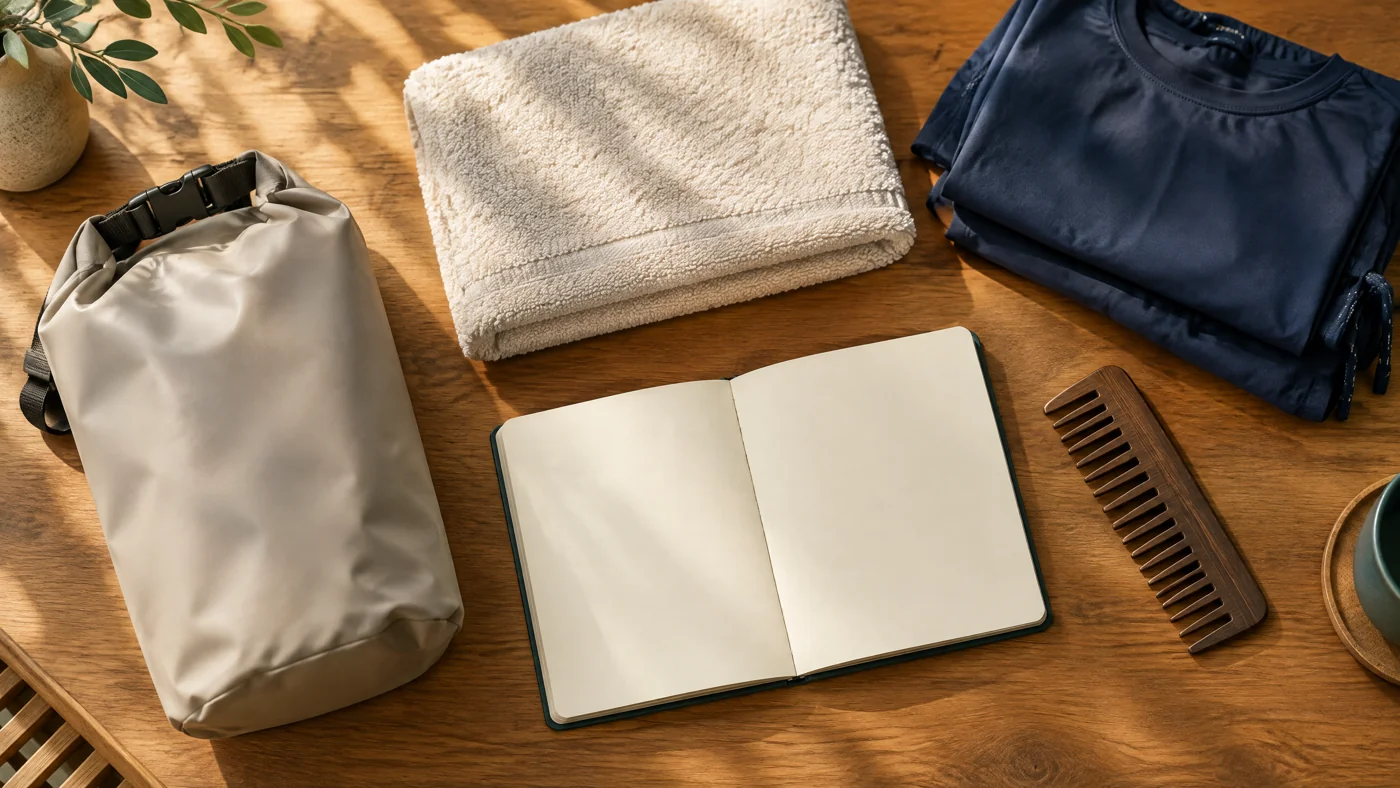
Start with what you already own: a suitable shampoo, conditioner if appropriate, a soft towel and a familiar comb. Check where fresh-water rinsing and later washing will be possible. Pool chemicals and sun exposure can damage hair, according to the American Academy of Dermatology; expensive packaging does not remove that concern.[1] A workable wash plan matters more than an elaborate shopping list.
Canvas Texture and DiveHarbour have shared website ownership, so these course pages are related resources, not an independent ranking. This guide separates men's own-hair styling decisions from the training enquiry. DiveHarbour's instructor confirms eligibility, equipment and course arrangements; an appropriate clinician handles health questions. Neither a neat haircut nor a salon appointment establishes whether someone is suitable to dive.
01
1. Draw a clear line between training and grooming
Your training budget should describe the course you are considering. Your grooming budget should describe looking after your own hair before and after the activity. Keeping those records separate makes optional spending visible. A fringe tidy-up may suit your normal routine, but it should not be presented as part of qualifying. Equally, a salon's styling advice cannot replace the instructor's assessment of suitable equipment or participation requirements.
Before choosing a new cut, describe the problem you actually want to solve. Perhaps your longer front section takes time to dry, or your curls become difficult to detangle after washing. Those are useful salon questions. If hair appears likely to interfere with equipment contact or become caught, discuss it with the instructor on shore. Do not spend on accessories or alter equipment on the assumption that a particular hairstyle guarantees comfort or fit.
Once that distinction is clear, the Hong Kong NAUI scuba diving course page is a sensible next read for understanding the proposed training route. Ask DiveHarbour to confirm its current requirements and arrangements directly. Then return to your personal routine: can you rinse, handle your hair gently and leave enough time to get home without rushing a wash? That question gives grooming expenditure a practical purpose.
02
2. Compare course inclusions before adding personal extras
Two quotes can look similar while covering different things. Ask whether learning materials, certification administration, training venues, boat arrangements and rental equipment are included or separately confirmed. Do not assume a list of possible inclusions is a promise for your booking. Beside that course comparison, keep a personal column for travel, meals and haircare. This prevents a bottle of shampoo or a salon visit from obscuring a difference in training scope.
For a closer look at those boundaries, read DiveHarbour's Open Water diving course Hong Kong cost guide, then request an itemised written quotation for the arrangement you are considering. Use the same questions when comparing another quote. Meanwhile, list grooming purchases as already owned, useful replacement or optional preference. Replacing an empty conditioner is a different decision from buying a full range because its label mentions swimming.
A fair personal budget also includes convenience without disguising it as necessity. You may prefer a second towel because taking a damp one to work is awkward. You may choose a normal haircut because it is due anyway. Neither expense belongs in the provider's tuition figure. Record any haircut separately and note whether you would have booked it without the water activity. That simple distinction keeps the comparison honest and reduces unnecessary shopping.
| Budget category | What to establish | How to record it |
|---|---|---|
| Training and certification | The named course, learning format and written inclusions | Provider-confirmed course scope |
| Equipment and water-session logistics | Which items and arrangements are included or separate | Written confirmation, not assumed extras |
| Personal travel and food | What your own journey and day require | Personal activity budget |
| Hair washing essentials | What you own and what needs replacing | Separate grooming budget |
| Haircut or salon service | Whether it solves an everyday styling need | Optional personal choice, not certification cost |
03
3. Build a small kit around gentle handling
A useful hair kit starts with your usual hair type, not with a specialist marketing claim. Bring only products you know how to use and can carry without leaking. A soft towel and a familiar comb may be more useful than several unfamiliar treatments. Keep cosmetic use to an appropriate washing area and follow product and venue rules. A label such as biodegradable does not establish that a product is suitable to release into sea or pool water.
Gentle handling is worth planning because wet hair does not need a hurried scrub. The American Academy of Dermatology advises against rubbing hair with a towel and recommends adapting combing to straight or textured hair, while limiting heat and pulling.[2] Lightly press with your towel rather than vigorously rubbing. For straight hair, allow some drying before gentle combing; for textured curls, ask your stylist about an appropriate damp-detangling approach rather than forcing through knots.
If your own hair is long enough to gather, avoid making a painful, tightly pulled style the default answer. Ask a stylist about low-tension handling that suits your length, and have the instructor confirm any relevant equipment compatibility before a water session. Short hair also deserves gentle care; it does not become immune to dryness because it dries quickly. Buy additional tools only when they solve an identified problem in your existing wash routine.
A smaller wash kit can be the better purchase when every item has a clear job.
04
4. Decide whether a haircut or chemical service belongs now
A haircut can be worthwhile when it improves ordinary mornings as well as your water-day routine. Ask about a fringe shape you can manage without heavy product, or how much length your curls need to settle naturally. Avoid requesting a drastic cut solely because you expect it to solve equipment fit. A shorter style may change drying time and appearance, but only the instructor can address the equipment question. Those are separate consultations.
For coloured, lightened or permed hair, talk to your stylist about the actual service and current condition before committing to water-session dates. There is no universal waiting period that guarantees every chemical service is ready for immersion. Product instructions, previous processing and how your hair feels all matter. The Academy notes that sun and pool exposure are relevant concerns for lightened hair.[1] A sensible option may be postponing an elective colour change rather than adding protective purchases afterwards.
Ask for a routine you can maintain when you are tired and away from your usual bathroom. That might mean accepting a less polished finish instead of scheduling a blow-dry immediately after every session. If persistent scalp discomfort develops, seek appropriate clinical advice rather than treating another salon service as the answer. A gentle washing plan supports grooming; it is not treatment for hair loss, and it does not determine fitness for water activities.
05
5. Plan the wash around the journey home
The most useful question about a venue may be where you can rinse afterwards. Ask about fresh-water access, changing arrangements and whether there is an appropriate place to use your products. Do not infer facilities from a location name or photograph. The Academy recommends rinsing after swimming and appropriate shampoo and conditioner care for swimmers.[1] If immediate washing facilities are limited, arrange the next suitable wash opportunity rather than packing products you cannot use there.
Think through the journey as well as the bathroom. A damp towel needs a way to travel without wetting clean clothes, and a long fringe may need time to dry before you feel presentable. Leave a realistic gap before an evening commitment. When using a dryer, choose lower heat and avoid repeatedly pulling hair into shape, consistent with gentle-care advice.[2] You do not need to recreate a salon finish simply because you have washed your hair.
For a pool setting, ask the venue and instructor whether a swimming cap is appropriate for the activity and compatible with its equipment. Do not treat it as a substitute for instructor-approved exposure equipment. For sea sessions, keep product use in authorised shore washing areas. The planning table below helps identify practical gaps without promising showers, lockers or session times. Choose your own travel and grooming arrangements only after those details have been confirmed.
| Personal situation | Question to resolve | Grooming plan |
|---|---|---|
| Going straight home | Is fresh-water rinsing available before departure? | Arrange rinsing and your usual gentle wash at the next suitable opportunity |
| Continuing to work or dinner | Where can you wash, change and dry without rushing? | Leave a grooming gap and bring clean clothing |
| Longer fringe or curls | Which familiar detangling method suits your hair? | Pack the appropriate comb and avoid forceful brushing |
| Coloured or permed hair | What does your stylist advise for its present condition? | Follow individual service guidance rather than a fixed waiting rule |
06
6. Protect the budget with written terms, not hopeful assumptions
Before paying, read the booking conditions alongside the quotation. DiveHarbour currently states that all paid fees are non-refundable. Make-up sessions are subject to written conditions; do not assume free changes or a guaranteed replacement date. This matters to your grooming calendar too. Booking an elective salon service around an unconfirmed session can leave two arrangements difficult to change. Keep personal appointments flexible where possible, without expecting the course provider to absorb that decision.
If you are still deciding what type of activity to purchase, the broader scuba diving course price Hong Kong overview can help distinguish a course enquiry from other activity categories. Compare the actual learning objective before comparing totals. A smaller activity commitment may suit a different goal, but it is not automatically equivalent to certification. Your shampoo and towel requirements might remain similar even when the training purchase changes substantially.
Keep a personal contingency for costs you control, such as replacing an unsuitable bag or changing your own journey. Do not assign invented charges to the provider. Ask which extra practice or changed arrangements could involve separately confirmed fees under the written terms. On the haircare side, avoid stockpiling treatments in anticipation of problems. Reviewing how your familiar routine works after a session is more useful than buying several products with overlapping purposes beforehand.
- Request the current course name, learning format and total in writing.
- Check included equipment, venue and boat arrangements separately.
- Read the non-refundable payment policy and written make-up conditions before paying.
- Keep haircare purchases and salon appointments outside the course comparison.
- Confirm washing access before packing cosmetics for a venue.
An optional haircut should solve your everyday styling problem, not be sold as the price of learning to dive.

07
7. Make the final decision fit your actual hair routine
Consider a hypothetical man with a short, uncoloured crop who already owns suitable washing products. His useful preparation might be confirming rinse access, packing a soft towel and allowing time to wash at home. A special haircut may add little if his normal cut is already manageable. He should still clarify the course scope and equipment arrangements. Spending less on grooming is sensible when it reflects his needs, not when it means skipping professional training questions.
Now consider a hypothetical man with a longer, recently processed fringe. His first grooming step might be a stylist consultation about condition and gentle detangling, not another chemical service. He may need a more generous wash-and-dry gap before returning to work. If his desired appearance requires aggressive heat styling after every wash, he could discuss a simpler everyday finish. His haircare budget may differ from the first man's without making either course quote better or worse.
Finish with two separate decisions: whether the confirmed training arrangement suits your activity goals, and whether your own-hair routine is practical around it. Send course and water-activity questions to DiveHarbour, and take health concerns to an appropriate clinician. Canvas Texture can help with men's styling and ordinary upkeep. This article is prepared by the Canvas Texture editorial team with AI assistance and public sources; it is not personal diving instruction or a claim of first-hand testing.
Sources and useful reading
Continue with hair and grooming
For a separate men’s own-hair discussion: Deep Hair Treatment HK
Continue with a related hair-and-water planning guide: Two Friends Learning Scuba: Look Beyond the Discount
Read our hair styling background: Vit So and the Canvas Texture studio
Make your own hair easier to manage
Ask Canvas Texture about men's own-hair fringe shaping, curl upkeep and a simpler everyday styling routine. The salon is led by Vit So; this invitation is for hair styling, not diving bookings or medical advice. DiveHarbour-related course and water-activity questions belong with DiveHarbour.
Canvas Texture · WhatsAppFrequently asked questions
Do I need a haircut before a NAUI course?
A haircut is not a certification requirement. Choose one for your own styling needs. Discuss any hair-related equipment concern with the instructor before the session rather than assuming a shorter cut guarantees fit.
Should shampoo and salon treatments be included in my course comparison?
Keep them in a separate personal grooming budget. Compare provider-confirmed training inclusions first, then identify which haircare essentials you already own and which optional purchases you genuinely want.
Can I use conditioner in the sea if it is labelled biodegradable?
That label does not establish suitability for release into marine water. Follow product and venue rules, and use cosmetics only in an appropriate authorised washing area.
How long after a perm or colour service should I wait before a water session?
There is no single waiting period that guarantees suitability for every service. Ask your stylist about the products used and your present hair condition. The instructor handles activity and equipment questions; a clinician handles health concerns.
Can I count on a refund or free make-up session if plans change?
No. DiveHarbour currently states that all paid fees are non-refundable. Make-up sessions depend on written conditions, and a replacement date is not guaranteed. Read the applicable terms before paying.
Related journal articles
First Scuba Lessons: Keep Your Hair, Plan the Pool-Day Wash
Keep the haircut you want to live with; prepare for the wet-hair version of it.
Trying Scuba in Hong Kong: Prepare Your Fringe Before a Mask Fitting
Prepare the fringe you actually have, not the hairstyle you hope will stay unchanged in water.
Choosing a Hong Kong Diving School: A Men's Hair Planning Guide
Choose the learning environment with the instructor; choose an achievable hair routine with your stylist.