Human Hair Wigs: Choose Fibre for a Calmer Morning
Choose wig fibre according to the shape you want to maintain and the work you can repeat. Human hair generally offers more styling flexibility, while a preset synthetic style may suit a more consistent routine. Neither material label guarantees a convincing outline or an effortless morning. A useful comparison starts with your preferred fringe, crown and side profile, then asks how that exact piece returns to shape after wearing, washing and storage.
Check the stated fibre composition, cap construction, care instructions and permitted styling methods before comparing options. Heat permission belongs to the individual product, not to an entire material category. Ask how washing affects its shape and what must happen before it is ready to wear again. These details reveal more about daily effort than a photograph showing one finished hairstyle. Keep material, fit and styling questions separate so that an attractive finish does not hide an unsuitable routine.
For readers of Canvas Texture, a familiar hair outline is a useful starting point even when considering a wig. You may want the same restrained sides or forward fringe, rather than a completely different appearance. This guide turns those preferences into a practical comparison: define your morning limits, identify the shape that matters, and test the care sequence. It also separates work before leaving home from the washing and drying that must happen at another time.
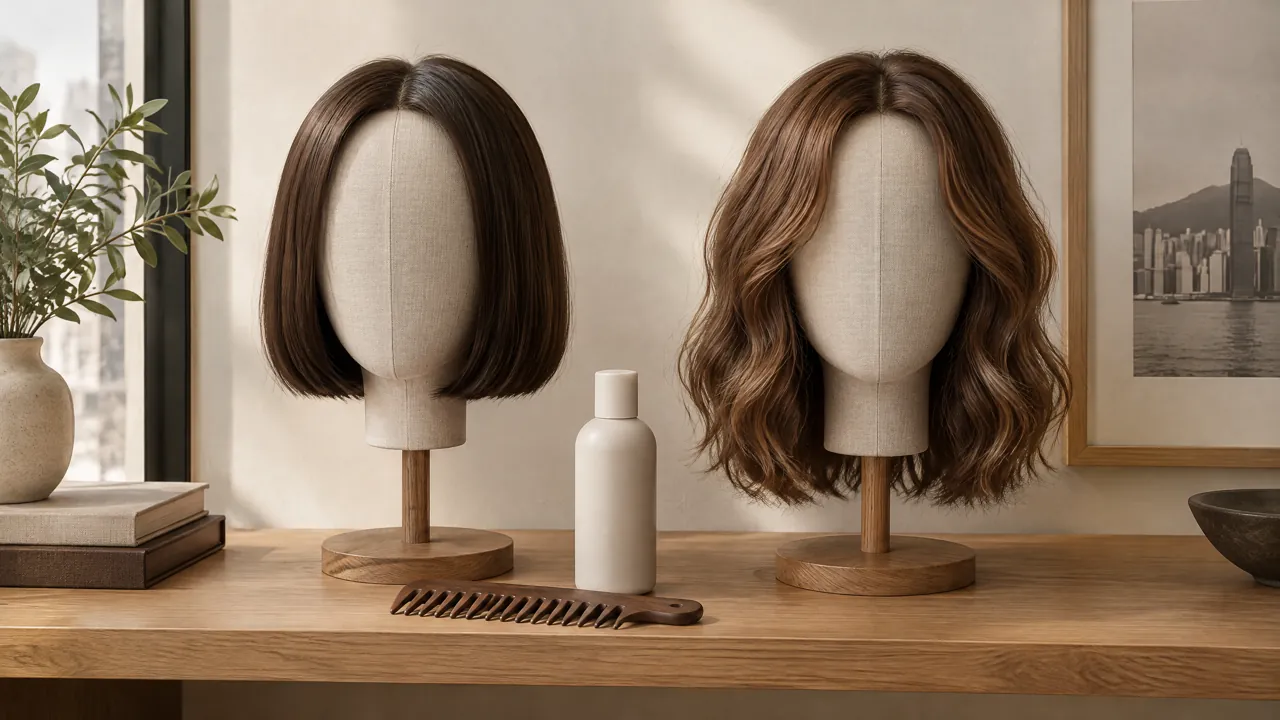
01
1. Give your morning routine an honest job description
List the actions you are willing to do before leaving home: position the piece, check the edges, arrange the fringe and correct any disturbed areas. Separate essential checks from optional styling. A person comfortable making small adjustments may value flexibility; someone who wants a repeatable shape may prefer fewer styling decisions. Neither preference is lazy or sophisticated. The important distinction is between effort you willingly repeat and effort you tolerate only when getting ready for an occasion.
Consider an illustrative scenario: you want a swept fringe for work but a flatter shape at weekends. Ask whether changing between those outlines requires water, approved styling tools or a full wash-and-reset sequence. If it does, the flexible option may create work outside the morning itself. Conversely, choosing a preset style you repeatedly try to alter defeats its convenience. Write down your normal weekday look first, then decide whether occasional variation genuinely deserves priority in the purchase.
The related-brand page on human hair wigs is a starting point for questions about hair type, care labels and fit. OwnStrand shares an owner with Canvas Texture; this is not an independent endorsement. Ask about the exact piece under consideration rather than assuming its material allows every styling method. Request a description of the ordinary preparation routine, including what you would need to do yourself after washing, instead of judging only the finished display style.
02
2. Define the hair outline before judging the fibre
Translate a reference hairstyle into three visible priorities: the fringe direction, the height at the crown and the width around the sides. A material comparison becomes easier when both candidates are being judged against the same shape. Otherwise, you may prefer one simply because its display styling is closer to your taste. Cancer Research UK suggests using photographs of your previous hairstyle to help with selection.[1] Choose images that show the outline clearly, not only a flattering front-facing portrait.
Look at the transition between the top and sides rather than inspecting individual strands first. Extra density above the ears can make a restrained haircut feel unfamiliar, while a high crown can change the apparent proportions of the face. Ask whether the selected piece can support your intended finish through a suitable cut or styling method. Do not assume every piece can be thinned, shortened or redirected successfully. Any proposed alteration needs agreement about its limits before it is carried out.
If some of your own hair remains visible, assess the join in shape as well as colour. A close shade match cannot disguise a sudden change in bulk or a fringe pointing against the surrounding hair. Check the outline from the front, side and back using comparable lighting. For grey blending, request confirmation of the proposed mixture and view a relevant sample if available. A photograph or category name cannot establish the exact grey proportion, texture or colour behaviour of an individual piece.
| Outline priority | What to compare | Decision consequence |
|---|---|---|
| Forward or swept fringe | Direction, edge visibility and response to movement | Choose a direction you can maintain using permitted methods |
| Restrained crown | Height from the side, not just the front | Question unnecessary volume before choosing material |
| Neat sides | Width above the ears and transition to visible own hair | Confirm any proposed cutting or density adjustment |
| Grey blending | A relevant sample beside visible hair in consistent light | Verify the actual mixture rather than relying on a label |
03
3. Understand the flexibility and care burden of human hair
Human hair can be attractive when changing the finish matters, but styling flexibility is not the same as automatic readiness. NHS guidance describes this material as requiring more care than synthetic alternatives.[2] For your shortlist, ask how the intended shape is restored after washing and whether drying alone leaves it wearable. A style that needs deliberate finishing may suit someone who enjoys hair preparation. It is a less comfortable match for someone expecting the photographed shape to reappear without attention.
Treat the care label as the boundary for tools and products. Human origin does not establish that a particular piece tolerates your preferred temperature, colouring process or styling product. Processing, construction and previous treatments can affect what is suitable. Ask for the recommended washing and drying sequence in writing, including whether a stand or other equipment is needed. If an instruction is unclear, resolve it before experimenting; the ability to alter a hairstyle should not become an invitation to improvise its care.
Assess how much variation you actually need. Repositioning a fringe occasionally is different from regularly moving between a straight finish and pronounced waves. The latter may involve more preparation, equipment and recovery work than your original plan allowed. Compare an ordinary day and a wash day separately, then decide whether the added control is worth the maintenance. For a reader who mainly wants to preserve one familiar outline, unnecessary versatility can be a distraction rather than a meaningful benefit.
Styling freedom is useful only when the care needed to restore it fits your week.
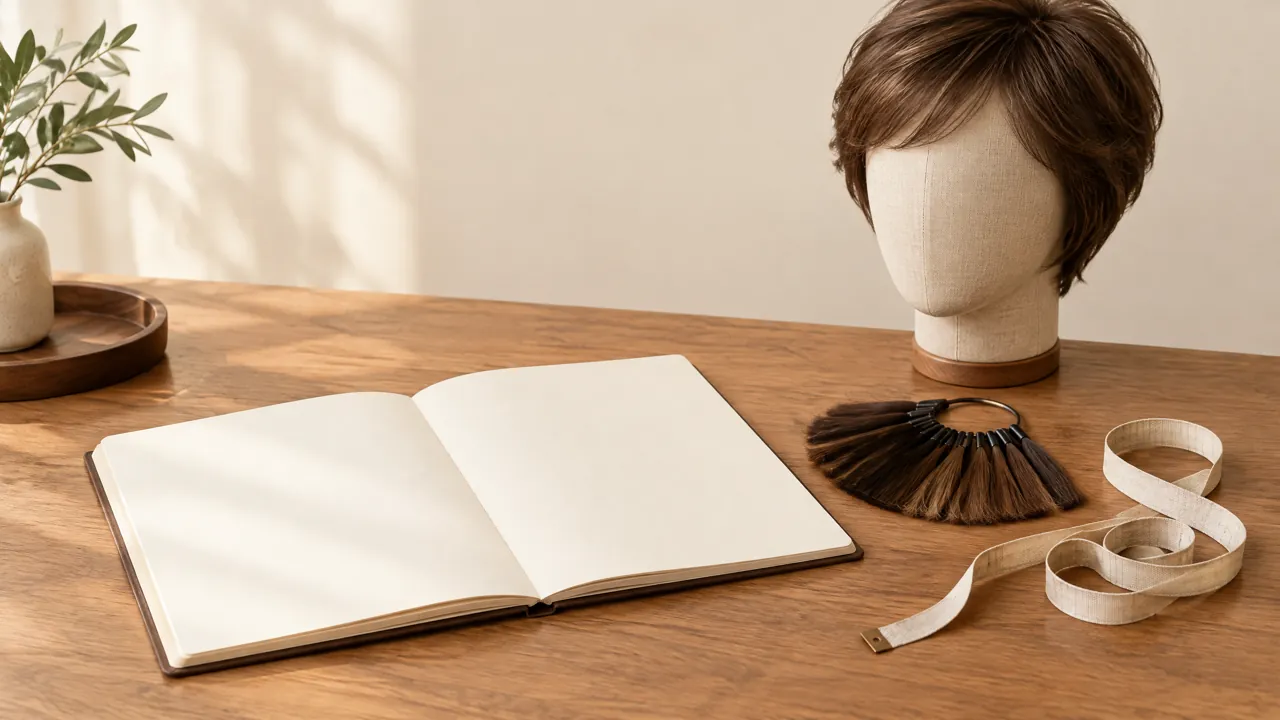
04
4. Test what a preset synthetic shape really saves
A preset style can remove some decisions about the finished shape. Cancer Research UK describes synthetic options as commonly having a set style and advises checking manufacturers' instructions before applying heat.[1] This does not mean every piece needs identical care or returns to shape in the same way. Ask to see the intended outline without styling beyond the recommended routine. The useful question is whether the normal finish suits you, rather than whether an elaborate display arrangement looks impressive.
Use the page on synthetic wigs to frame questions about the particular fibre option and its care. Confirm whether it is heat-friendly, which methods are permitted and what happens after washing. Do not transfer instructions from another piece that happens to look similar. If your existing morning habit includes heated tools, consider whether changing that habit is acceptable. A simpler routine can be an advantage, but only if its restrictions do not conflict with how you want to wear the hair.
Test small, everyday disturbances rather than demanding an entirely new hairstyle. Ask how to tidy the fringe after putting the piece on and how to deal with tangling using the recommended method. If you habitually tuck hair back or change the parting, establish whether that works with the selected construction. A preset shape may save effort when you like its default arrangement. It may create frustration when your morning begins by undoing that arrangement and trying to force another one.
05
5. Compare the whole care cycle, not just departure time
A quick morning can depend on substantial preparation the night before. Draw a simple sequence from removal through storage, washing, drying and next wear. Record who performs each task and which instructions govern it. This prevents an apparently convenient option from hiding work elsewhere in the week. Do not invent a universal washing interval: ask what the maker recommends for the piece and your use. The planning issue is whether the necessary sequence fits your schedule without rushing a drying or care step.
Use the table as a task audit rather than a prediction of minutes. Two people may take different amounts of time with the same style, especially while learning how to position and arrange it. Identify which tasks require your attention and which require waiting. Waiting still affects readiness, even if it is not hands-on work. If the preparation cannot finish before the next planned wear, change the schedule or reconsider the option rather than assuming faster tools will solve the problem.
Ask what supplies the routine requires and which are optional. A quoted piece alone does not explain the ongoing practical burden of approved products, storage equipment or professional maintenance, if recommended. Confirm any aftercare service and its terms rather than assuming it is included. For work trips or overnight stays, consider whether you can reproduce the same routine away from home. A manageable home setup may be inconvenient when it depends on equipment you are unwilling to pack.
| Care stage | Question for the exact piece | Planning response |
|---|---|---|
| Before leaving | What positioning and finishing checks are needed? | Keep essential checks distinct from optional styling |
| After removal | How should it be detangled and stored? | Allocate suitable space and follow the specified method |
| Wash day | Which washing, drying and reshaping steps apply? | Plan both hands-on work and waiting before next wear |
| Away from home | Which recommended supplies must travel with it? | Check whether the routine remains practical in limited space |
06
6. Keep fit, movement and comfort separate from material
Compare fibre only after checking that each candidate sits in a plausible position. A displaced fringe or bulky side can result from fit or construction, not simply the hair material. Where a fitting is available, turn your head, look down and inspect the outline again. Ask which adjustments are possible and which would require a different piece. Do not assume that a material upgrade corrects the cap, coverage or movement. A well-matched outline still needs a wearing arrangement you understand.
If you travel to OwnStrand for a fitting enquiry, its sole showroom is in Kwun Tong, at Room 2103, Li Po Time Centre, 50 Hoi Yuen Road. Confirm the appointment arrangements and relevant samples before travelling to that showroom; published categories do not establish stock. Bring your outline references and care questions so the discussion has a clear purpose. Separate any fitting or alteration proposal from the material choice, and ask what is included before agreeing to proceed.
A wig changes appearance; it does not diagnose or treat hair loss. NHS guidance recommends seeing a doctor if you are worried about hair loss.[2] Keep that assessment separate from commercial selection. If a wearing arrangement causes discomfort, do not make enduring it part of the routine you are trying to simplify. Ask for the fit to be reviewed. Where treatment or scalp sensitivity affects your needs, seek guidance from your healthcare team rather than expecting a fibre label to establish suitability.
- Bring clear front and side photographs of the outline you want to preserve.
- Ask for the exact fibre composition and care instructions for each shortlisted piece.
- Confirm fitting arrangements, sample availability and alteration limits before travelling.
- Write down how the selected style will be prepared after its first wash.
07
7. Choose the routine you can repeat on an ordinary day
Make a final comparison using three priorities: the default outline, acceptable morning actions and manageable wash-day work. Give each candidate a plain assessment such as suitable, uncertain or unsuitable, with a reason. An uncertain answer should become a question to resolve, not an optimistic assumption. If two pieces look equally convincing, the routine you can follow consistently may decide the choice. If one offers much greater styling freedom, ask whether that freedom solves an actual need rather than an imagined future one.
For a broader material overview, read human hair vs synthetic wigs alongside the information for the exact pieces you are considering. Use the overview to organise differences in fibre, styling and care, not to assign a winner to every wearer. A convincing choice brings those general differences back to a particular fringe, fit and maintenance sequence. Where product details remain unconfirmed, pause the decision and request clarification rather than treating a category description as a specification.
Finally, write a first-wash plan before committing: what instructions you will follow, where drying and storage will happen, and how the intended outline will be restored. This checks whether the promise of easier mornings survives beyond the initial finished presentation. Keep your familiar hair shape as the reference, but allow sensible compromises in styling range or preparation. The right material choice is the one whose limitations you understand and accept, with a care routine that supports the appearance you actually want.
Choose for the ordinary morning, then check that wash day does not undo the decision.
Sources and useful reading
Continue with hair and grooming
If your question concerns styling your own men’s hair, continue with: Deep Hair Treatment HK
Compare a related selection decision: Silk top wig choices: compare parting and glueless fit
Read our male-hair styling background: Vit So and the Canvas Texture studio
Clarify the outline of your own hairstyle
For guidance on your existing men's haircut, speak with Canvas Texture about fringe direction, crown height and side balance. Bring a reference photograph and explain your usual morning routine so the own-hair styling consultation can focus on a shape you can maintain.
Canvas Texture · WhatsAppFrequently asked questions
Is human hair always the most realistic-looking choice?
No material label guarantees realism. Fringe direction, density, colour, fit and the overall outline all contribute. Compare individual pieces against the same reference hairstyle rather than assuming the more expensive or more flexible option must look better.
Can I use my usual straighteners on a synthetic piece?
Only if the instructions for that exact piece permit them, and only within its stated limits. Similar appearance does not establish heat compatibility. Ask for clarification if the label is incomplete rather than borrowing settings from another product.
How should I estimate morning effort before choosing?
Ask for the normal positioning and finishing sequence, then separately document removal, washing, drying and storage. Distinguish hands-on tasks from waiting. A short departure routine is useful only if the rest of the care cycle fits your week.
Should I change my desired hairstyle to reduce maintenance?
Consider modest compromises first, such as keeping one fringe direction rather than switching styles frequently. Preserve the outline details that matter most to you. Confirm that any proposed cut or alteration is suitable for the individual piece before agreeing to it.
Related journal articles
Men’s Hairpieces or a Perm? Compare Coverage and Shape
Choose a perm when enough existing hair remains and movement is the main goal. Choose a hairpiece when a defined area needs cosmetic coverage. Neither option decides the best outline by itself. First identify the visible area, surrounding density, preferred parting, and morning routine. Those observations prevent a product label from making the decision too early. Compare those details before making any booking.
Natural Hairline Wigs: A Guide to Fringe and Forehead
Natural hairline wigs look most convincing when the front edge, fit, colour, density, and haircut agree. For a hypothetical four-day workweek side part, inspect both temples under two ordinary light sources before choosing a construction. The aim is a coherent outline in movement. No single feature can decide that outcome. Check the whole frame, not only the centre. Check it while turning your head.
Human Hair or Synthetic Wigs? Texture and Care Choices
Choose human hair when approved styling flexibility matters. Choose synthetic fibre when a preset shape and simpler mornings matter more. Neither label settles the result alone. Texture, density, cap construction, attachment, and fit shape how a wig looks and feels. Start with the routine you can maintain, then check the exact model’s instructions. That order avoids paying for flexibility you will not use