
Thai Catering: A Groomed Guest’s Menu and Timing Choices
Choose a Thai menu by how guests will eat, then finish your grooming before receiving food or greeting arrivals. Set the serving time around the gathering, rather than making guests wait while you adjust your hair. A composed entrance and an organised meal need separate preparation, but they share the same limited evening.
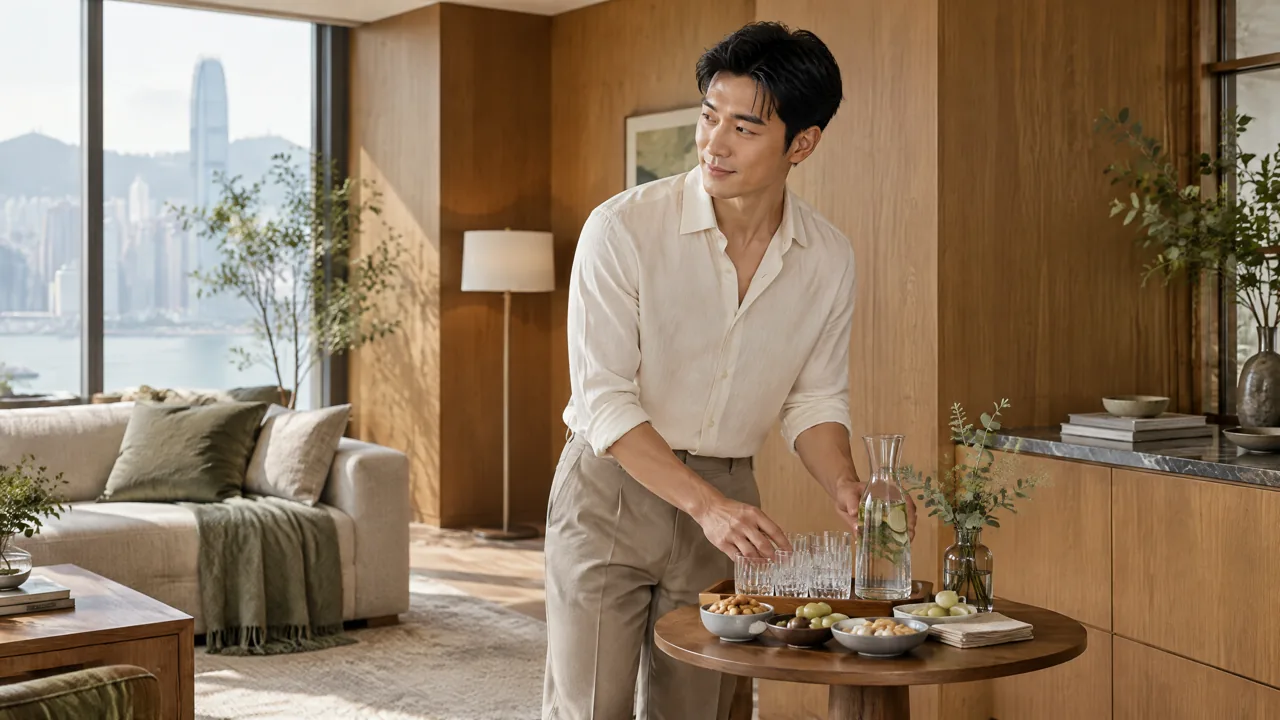
For a hypothetical Hong Kong flat gathering, imagine friends arriving after work, with a group photograph before dinner. Some carry bags, others need somewhere to sit, and the host is checking the door. Sauced dishes, an obstructive fringe and a crowded sideboard can each become awkward for different reasons.
From Canvas Texture’s men’s grooming perspective, the useful question is what lets you stay present once people arrive. This guide connects hairstyle preparation with menu format, table space and receiving duties. It offers practical alternatives for standing conversation and seated dining, without treating a cuisine label as proof of suitability.
01
Anchor the evening to one arrival and one photograph
Start with the first moment when guests genuinely need you. That might be meeting someone at the building entrance or welcoming a relative upstairs. Work backwards from that moment to finish dressing and styling. A haircut appointment belongs earlier in the schedule, not inside a narrow gap between collecting food and opening the door.
Decide whether the main photograph happens before dinner or afterwards. Before dinner, guests may still be wearing coats and carrying gifts. Afterwards, people may leave at different times. Give the photograph a modest window and somewhere to put belongings. Do not hold a meal indefinitely because one person is running late.
The food arrival needs its own appointment in your plan. Ask about the receiving window and the arrangements needed before serving. Check building access with the venue rather than assuming a driver can reach your table. A neighbour’s convenient entrance is not necessarily available to your gathering, especially when access requires a resident.
In the hypothetical flat gathering, separate the person receiving food from the person greeting friends if help is available. Without a helper, simplify the opening: have water ready and explain where bags go. Reducing simultaneous duties is more effective than expecting your hairstyle, clothes and menu to withstand a rushed start.
02
Set a hairstyle that survives greeting duties
Choose a familiar finish that stays out of your eyes when you lean towards the door intercom or read labels. Check your fringe while looking down, not only straight into the mirror. For a textured style, keep the shape you like without building height that needs continual repair every time you remove a jacket.
Allow enough time for gentle drying instead of compensating for lateness with repeated heat. The American Academy of Dermatology advises limiting excessive heat and brushing, and allowing hair to partially air-dry before styling [1]. This supports a calmer preparation routine. It does not establish a particular product or salon as damage-free.
Assess both the front and side outline before getting dressed. A shirt collar or jacket can change how the nape appears, while a photograph taken from the sofa may show another angle. Use that check to make one deliberate adjustment. Repeatedly combing a firmly styled finish is not a reliable route to a better photograph.
If you want a perm or colour change for the occasion, consult your hairstylist about your hair’s condition and intended look. There is no universal preparation interval for every head of hair. For the gathering itself, keep a small comb and mirror away from food. Finish any product application before entering the serving area.
A finished hairstyle frees your attention; a finished serving plan gives that attention somewhere useful to go.
03
Build the Thai menu around plates, not heat stereotypes
Treat the menu as a set of eating tasks. A dish with sauce needs somewhere stable to rest a plate. A skewer needs an easy place for the used stick. Shell-on food requires a different conversation rhythm from a spoonable dish. These details tell you more about a reception than simply describing Thai food as spicy.
For a seated meal, YumYum’s Thai Catering page can help you compare proposed mains, rice accompaniments and dessert formats. Confirm current dishes, portion information, spice options and serving requirements before ordering. Choose a combination that makes sense together on the available plates, rather than selecting every appealing item without considering how guests will eat.
Ask about individual dishes when someone prefers less heat. A cuisine name cannot tell you the chilli level of a particular preparation. Likewise, a coconut-based dessert or a rice dish is not automatically suitable for someone with dietary restrictions. Record the actual requirement and request ingredient and preparation information before suggesting an alternative.
A useful balance is a main meal with a clear supporting role for each accompaniment. If the proposal contains several rich or sauced dishes, consider whether another similar dish adds value. For the hypothetical evening, a simpler selection could leave more room for plates and conversation. That is a layout choice, not a judgement about authenticity.
Choose the dish guests can comfortably eat in the room you have, not the dish that looks easiest in a menu photograph.
04
Choose Korean sharing dishes when the standing interval is short
A brief standing welcome can work differently from a complete dinner. Guests may have one hand occupied by a drink and nowhere to put a large plate. Before considering another cuisine, decide whether this interval needs food at all. Water and a clear move towards seating may be more welcoming than a crowded snack station.
If you do want a separate sharing course, Korean Catering offers a starting point for comparing rice-based dishes and savoury sharing formats. Check the actual piece sizes, sauce presentation and utensil needs with the supplier. Do not assume that every fried item is manageable with fingers, or that a cuisine label guarantees a convenient standing portion.
Keep the comparison tied to your Thai main meal. Adding another selection may duplicate rice, create another queue or leave guests uncertain about whether dinner has started. A replacement course can be clearer than an extra course. Explain the sequence briefly so early arrivals do not fill their plates while others are still finding seats.
For a hypothetical office farewell, imagine a short welcome beside a meeting table before everyone sits down. Compare the space needed for a sharing tray with the space needed for individual plates. Keep jackets and laptop bags elsewhere. The groomed host should be able to greet colleagues without balancing a serving utensil and a phone.
05
Use dim sum for a seated family opening
A family gathering may need a gentler opening than a standing reception. Ask guests whether they would prefer to sit immediately, particularly after travelling. Small shared portions can encourage conversation, but the table still needs reachable dishes and somewhere for drinks. Portion size alone does not make food easy to eat while standing.
When comparing an earlier seated course, Dim Sum Catering can help you explore steamed bites and complementary sharing dishes. Confirm the current selection, ordering quantities and suitable holding or serving arrangements in writing. Compare it with the planned Thai dinner as a distinct course, rather than assuming two menus automatically produce a balanced meal.
Serving an opening course creates a second period of work. You will need clean plates or bowls, appropriate utensils and a plan for clearing before the mains. If the table is already small, an additional course can make the evening less relaxed. One complete seated meal may serve guests better than a more elaborate sequence.
In a hypothetical mixed-generation dinner, place shared dishes where guests can reach them without leaning across someone’s sleeve. Offer help without assuming anyone’s abilities or appetite. Reserve the photograph for a point when the table is not being cleared. Your hairstyle matters in that photograph, but attentive seating matters throughout the meal.
06
Give food and grooming their own surfaces
A small Hong Kong dining area often asks one surface to do several jobs. Resist making the sideboard a combined station for hair products, gifts and food trays. Put grooming items in the bathroom or bedroom. Keep the serving surface available for the meal, with a separate place for phones, bags and any decorative arrangements.
The Centre for Food Safety’s Five Keys include clean hands and utensils, separation of raw and cooked food, and safe temperatures [2]. Apply those principles to the gathering’s handling plan. Keeping grooming products outside the food area is a practical separation step. It does not replace the supplier’s dish-specific storage and serving instructions.
Map the route from the entrance to the receiving surface before guests arrive. Remove items that make someone turn sideways while carrying a tray. Ask the venue what holding facilities are actually available and who can use them. A covered tray on a decorative table should not be assumed to provide suitable temperature control.
Plan where used plates and utensils will go without crossing the clean serving area. Put handwashing within the routine, especially after adjusting hair or handling belongings. If something spills, pause and deal with it before continuing service. Trying to preserve the appearance of an uninterrupted party is less useful than keeping the space workable.
| Area | Keep here | Keep elsewhere |
|---|---|---|
| Bathroom or bedroom | Mirror, comb and grooming products | Food trays and serving utensils |
| Receiving surface | Order details and space to check containers | Guest coats and gift bags |
| Serving table | Food with its designated utensils | Phones and styling spray |
| Clearing point | Used dishes awaiting removal | Clean plates for the next course |
07
Write a handover that does not depend on your phone
Give the receiving person a short written brief, even when that person is you. Include the order reference, expected window and supplier contact. Describe the agreed drop-off point precisely. Keep personal guest details out of the note unless necessary. The purpose is to let someone receive correctly while your attention is elsewhere.
Distinguish arrival from readiness to serve. Ask what checks, equipment or storage the order needs on arrival, and who is responsible for each step. Record the answer instead of relying on a memory from a telephone conversation. This is particularly useful when several containers arrive together and similar-looking dishes have different instructions.
Dietary requests need their own confirmation, not a casual comment on the menu sheet. Ask about ingredients, preparation and shared utensils, including any unresolved limitations. If a supplier cannot confirm suitability for a particular guest, discuss another arrangement with that guest. Do not describe a whole tray as suitable merely because one ingredient is absent.
Include a delay plan that protects both the meal and the social occasion. Guests can sit and chat without being offered food that lacks suitable holding arrangements. Check with the supplier if the planned sequence changes. A later photograph is an easy adjustment; improvising storage because everyone has already arrived is a different decision.
| Decision | Write down | Responsible person |
|---|---|---|
| Receipt | Agreed window, access and order reference | Named receiving contact |
| Holding | Confirmed facilities and dish-specific instructions | Person supervising the food |
| Guest requirements | Written answers and unresolved limitations | Host checking with each guest |
| Change of sequence | Supplier contact and revised serving plan | Host or designated helper |
- Tell the receiver where the order details are kept, not just which app contains them.
- Ask who supplies serving utensils and whether each dish needs its own utensil.
- Confirm any building access restrictions before giving the arrival instructions.
- Agree who contacts the supplier if the serving time or order contents differ from the plan.
08
Plan the guest’s journey from doorway to departure
As a guest, ask whether the invitation means drinks followed by dinner or a meal on arrival. That answer helps you plan travel and avoid arriving during a busy handover. If you are bringing a gift, ask whether the host has space for it. A considerate contribution should not unexpectedly occupy the only clear serving surface.
Finish your own hair before leaving, then carry only what you need for a discreet adjustment. Check the front and side shape after removing a travel cap or jacket. Use a mirror away from the meal. If your fringe keeps falling forward, move it out of your sightline rather than repeatedly touching it while handling shared utensils.
Choose clothes that allow you to sit, reach your own plate and help with a simple task when invited. Keep sleeves clear of shared dishes, and use napkins rather than making food choices solely to protect an outfit. A sauced meal is not inherently unsuitable for a well-dressed guest; it needs a proper place setting.
Before leaving, offer a specific manageable favour, such as moving empty glasses to the agreed clearing point. Avoid repacking leftover food without the host’s instructions. For the host, a clear goodbye matters more than restoring every strand for a final picture. The evening succeeds when grooming supports participation and the meal plan leaves room for people.
Sources and useful reading
Continue with hair and grooming
For a separate men’s own-hair consultation: Business Men's Perm
Continue with related occasion and grooming planning: Dessert Table Catering: Short Hair and Clear Serving Space
Read our men’s hairstyling background: Vit So and the Canvas Texture studio
Prepare the look, then confirm the meal
Choose a familiar hairstyle and map the evening’s arrival, seating and serving sequence. Confirm menu details and handling responsibilities in writing, so you can spend the gathering with your guests rather than managing avoidable surprises.
Canvas Texture · WhatsAppFrequently asked questions
Should I finish styling before the catered food arrives?
Yes, wherever practical. Finish product application away from food, put grooming items away and wash your hands before handling dishes. Leave enough time to receive and check the order without interrupting your routine.
How can I compare a Thai menu for guests who prefer less chilli?
Ask about each proposed dish, the available spice adjustments and whether sauces can be presented separately. Confirm what is actually possible. Less chilli does not establish allergy suitability or meet other dietary requirements.
Is a separate dim sum opening worthwhile before a Thai dinner?
Only if the timing, appetite and table space support two courses. Check holding arrangements and allow for clearing. When those arrangements are difficult, one complete seated meal is often a simpler option.
What should I do if the photograph delays the meal?
Keep the agreed food-handling plan in place and shorten or postpone the photograph. Contact the supplier if serving arrangements need to change. Do not assume that covering dishes makes an extended wait suitable.
Related journal articles
Hong Kong Catering Service: A Host’s Grooming Plan
A host’s hairstyle has done its job when it stops competing with the welcome.
Catering Packages: Compare Food and Grooming Budgets
Editorial principle: protect the meal and the host's preparation time before spending on extra variety or a more elaborate look.
Office Lunch Catering: Keep Hair Products off Food Tables
A prepared host gives hair products a home before giving lunch a place on the table.

