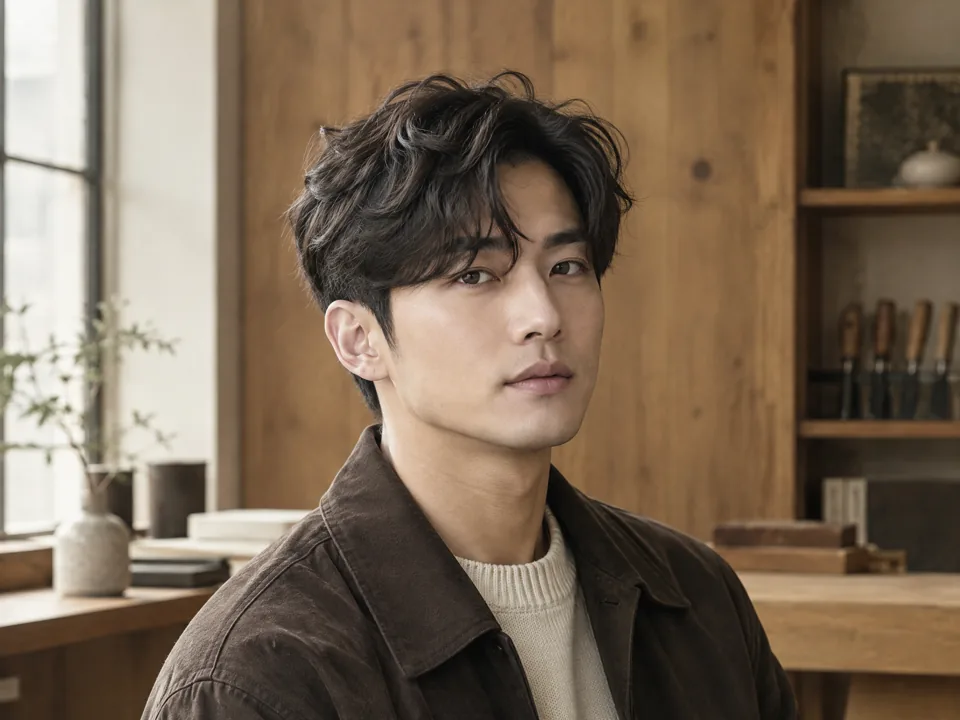
Choosing a wash and blow dry or event hair styling
Choose a wash and blow dry when your existing haircut suits you and you mainly want refreshed hair with a temporary finish. Discuss more detailed styling when the request involves pinned sections, accessories or a particular arrangement. Event planning adds another layer: the hair must fit your clothes, movements and schedule, not just a reference photograph.
These choices overlap, but their names do not establish identical appointment scopes. Loose hair can require considerable shaping, while a formal occasion may suit a restrained parting and tidy outline. Start with the change you want to see. Then establish the preparation, finishing work and departure deadline before deciding which service description fits.
This guide considers everyday refreshes alongside occasion decisions, including short hair and longer men's styles. The aim is not to make every celebration a major transformation. It is to help you ask precise questions, recognise practical trade-offs and choose a finish you can wear comfortably through the parts of the day that matter.
01
Choose the task before choosing the service label
First separate a change of finish from a change of haircut. If your fringe already sits at the right length, a different direction may be enough. If it reaches your eyes because it has grown longer, drying cannot remove that length. State whether you want no cutting, a defined trim or a more substantial shape change.
Next separate drying from assembling a structure. A smoother outline, root lift and softly turned ends describe the finished appearance. A gathered section, pinned front or decorative clip adds decisions about placement and support. Neither category is automatically better. The important question is which steps your intended look needs, rather than whether it sounds sufficiently special.
Vit So's wash and blow dry page distinguishes a refresh without cutting from haircut appointments and additional styling. It lists wash-and-dry at HK$240. Use that distinction to explain what you want to keep, then ask whether the finishing details in your reference fit the proposed service and charge.
For an illustrative example, imagine a man with shoulder-length hair attending a dinner after work. He likes his current cut and wants a clearer parting with gentle movement at the ends. The occasion alone does not establish a need for pinned hair. If he later requests a half-up arrangement, that changes the work to discuss.
Think of the service name as an opening description, not the final agreement. Ask which preparation and shaping are included, especially if your reference shows curls or accessories. This prevents a useful distinction from becoming a false rule: not every loose finish is routine drying, and not every event requires an elaborate structure.
| Your main aim | Request to describe | Clarification before confirming |
|---|---|---|
| Refresh the existing cut | Washing and a temporary dry finish, without cutting | Which loose finishing details are included? |
| Change length or fringe position | A haircut followed by the desired finish | Which areas will be cut, and how much will remain? |
| Create bends or a gathered shape | Additional shaping, pinned sections or accessory placement | What preparation and finishing work does this require? |
| Prepare for a scheduled occasion | The chosen finish plus outfit and timing requirements | Can the assessed work meet the required departure time? |
02
Describe an outline rather than a mood
Words such as polished, natural and formal express a mood but leave important choices unresolved. Translate them into visible details. Should the forehead remain partly covered? Should one ear be exposed? Do you want height at the crown or movement mainly at the ends? These observations are easier to discuss than asking for something generally impressive.
Choose a main priority and a secondary preference. For example, keeping the fringe out of your eyes might matter more than a precise curl pattern. This hierarchy becomes useful if your hair's length or layers differ from the reference. It allows a different method or smaller shape to serve the same purpose without pretending the photograph can be copied exactly.
Read the reference from front to back. A rear view may show an attractive gathering but hide a tightly swept hairline you would dislike. A front view may conceal pins or added hair. Select the detail you actually want and explain what you would omit. Lighting and clothing can also contribute to the picture's appeal.
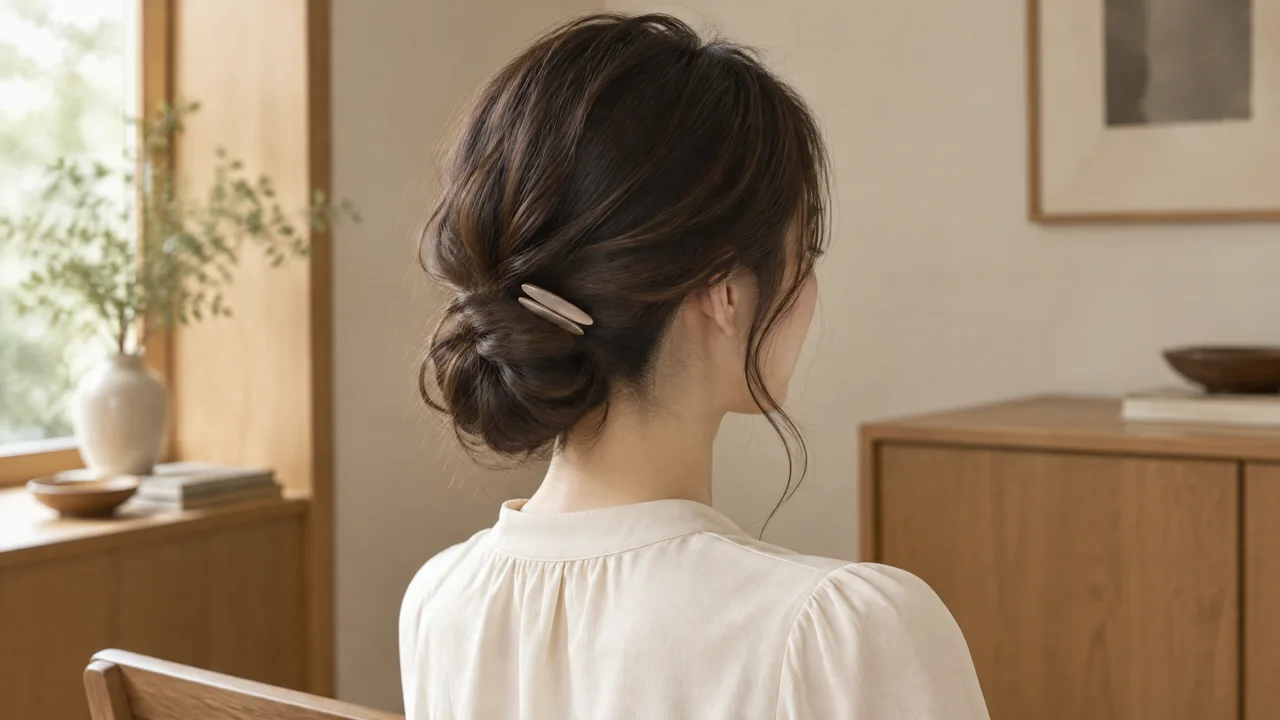
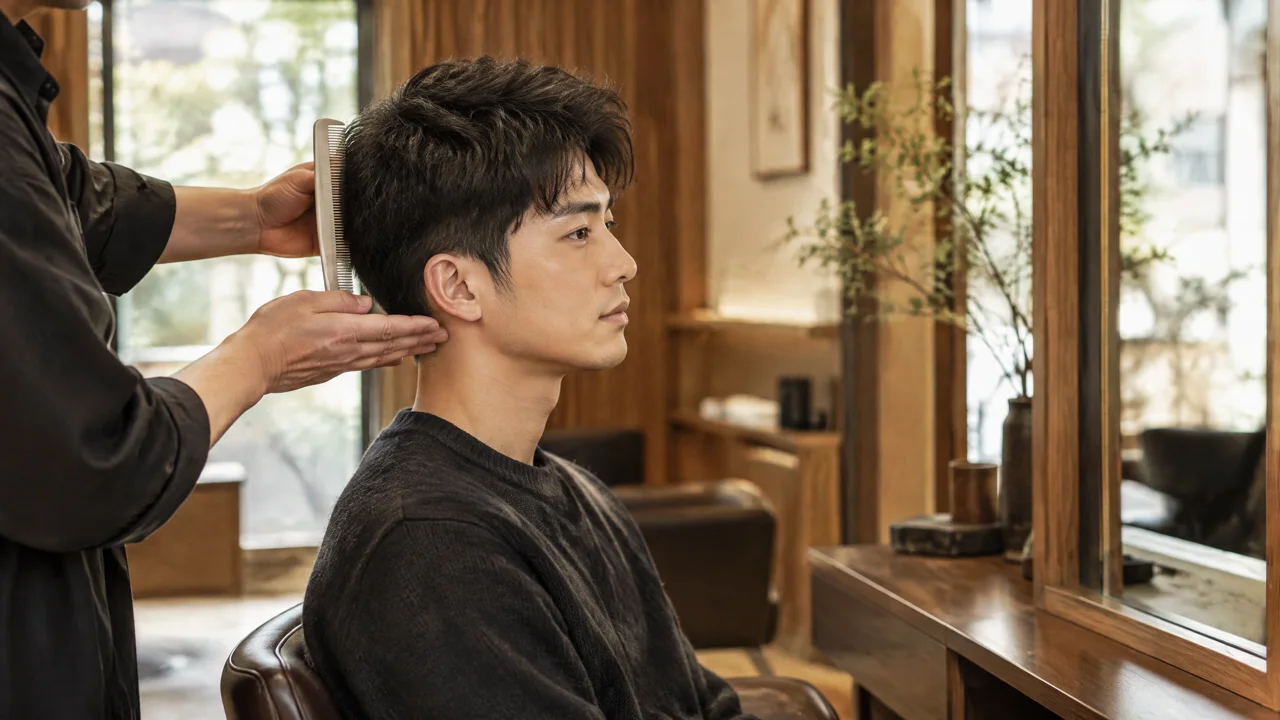
Short hair deserves its own reference logic. A neat exposed ear, controlled fringe direction or textured top can create an occasion-ready outline without imitating a large bun. On longer hair, a low gathering and a high gathering draw attention to different areas. Neither automatically communicates more effort, and available length affects what is practical.
Notice your ordinary habits too. If you repeatedly tuck the front behind your ear, a finish that relies on untouched face-framing pieces may be frustrating. If a crown whorl separates during the day, point to it in a current photograph. Describing how your hair behaves gives the discussion more useful information than calling it difficult.
A useful reference is not an order to copy everything. It is a way to identify the few details you care about most.
03
Let clothing and movement test the design
Consider the outfit's back as well as its neckline. A raised jacket collar can meet a low gathering; a textured shoulder can catch loose ends. With shorter hair, glasses and collar height may still influence the outline around the ears and nape. Show the actual clothing detail rather than relying on the dress code alone.
Glasses introduce a small but important movement test. Put them on and take them off while checking where the arms pass through the hair. A front section that looks balanced without frames may fall differently with them. If you will alternate between glasses and no glasses for photographs, explain that before settling the placement.
Loose hair preserves movement and visible length, but it can also rest against warm skin or need moving during conversation. Gathering hair opens space around the neck, yet introduces fastening points and possible contact with a seat back. A partly gathered finish offers another balance, provided the relevant layers reach a workable supporting position.
An illustrative speaker at a formal dinner might prioritise an unobstructed face over falling waves. A guest expecting to dance may care more about keeping longer hair off the neck. These are planning examples, not client accounts. They show why two people at the same event can reasonably choose different degrees of structure.
Bring any accessory that matters to the design. Its photograph may not reveal its weight, clasp or comb shape. Explain whether you want it visible throughout the event or plan to remove it later. Ask whether it provides support or decoration, because removing a supporting piece can change more than the appearance.
04
Work backwards from the first important moment
The invitation's start time is not always your real deadline. Portraits, a rehearsal or meeting others may come earlier. Work backwards through travel, changing and any other preparation you have arranged. Give the time you must leave the salon, then ask whether the assessed work can fit. Do not infer a standard duration from a short service label.
Separate salon preparation from what happens afterwards. If you will return home to dress, think about whether clothing must pass over the finished hair. A narrow opening can disturb a raised or pinned shape. A front-opening garment may be easier, but your actual outfit and changing arrangements should guide the plan rather than a universal instruction.
The hair styling guide helps distinguish loose and gathered outlines before you add the day's logistical demands. It also explains why washing, drying, additional shaping and accessories need scope confirmation. Use it to refine the finish first, then check its practical fit with your departure deadline rather than assuming all options take the same time.
Account for the journey you will actually make, including outdoor walking, headwear and possible rain. Temporary finishes can change with weather, sweat and handling. Do not skip protective headwear to preserve a hairstyle. Instead, mention its use and ask what adjustment may be manageable afterwards. Planning around a constraint is more realistic than pretending it disappears.
If the itinerary changes, send the revised departure deadline and any new preparation requirements. Moving the arrival time does not automatically solve the problem. A simpler finish may be worth discussing when the schedule becomes tighter, but availability and feasibility still need confirmation. Keep makeup, venue attendance and later touch-ups separate unless specifically agreed.
| Part of the day | Potential conflict | Information to communicate |
|---|---|---|
| Photographs before the main event | The invitation starts later than your real deadline | The earliest point when you need to be ready |
| Changing after the salon visit | Fabric may drag across raised or pinned hair | How the outfit goes on and where you will change |
| Outdoor travel or required headwear | Weather, movement or contact may alter the outline | The route, headwear and important features to preserve |
| Dinner followed by dancing | The finish must accommodate different movements | Whether a clear face, loose movement or an open neck matters most |
05
Discuss preparation without adding unnecessary stress
Ask how to arrive rather than guessing that every gathered style needs unwashed hair. Explain whether your hair will be damp or dry and what products are present. Dry shampoo, oils and firm-hold products are relevant starting details. Arriving dry does not establish that no preparation is needed, just as arriving freshly washed does not define the agreed scope.
Mention recent bleaching, colouring, perming or straightening, along with extensions or a hairpiece already in place. Describe visible breakage, rough ends or tangling without diagnosing a condition yourself. A finished sheen is an appearance, not proof that the hair has been repaired. The chosen approach should take the starting condition into account.
The American Academy of Dermatology advises limiting excessive heat and using flat irons on dry hair at low or medium heat. These are general care principles, not a guarantee that any particular finish is harmless.[1] There is little value in repeatedly practising with hot tools simply to make your starting hair resemble the reference photograph.
Also keep support separate from discomfort. The same guidance identifies repeated pulling from tight hairstyles as a risk for breakage and hair loss.[1] That does not mean every gathered style causes damage. It does mean that painful pulling is not a reasonable requirement for looking dressed up. Raise uncomfortable tension or pin pressure during the appointment.
Ask whether a simpler approach can preserve the feature you value most. A clear parting may matter more than additional curls; a smaller gathering may suit your length better than a heavily supported outline. These are questions for assessment, not instructions to use a particular tool. Avoid treating stronger heat or tighter tension as automatic upgrades.
06
Check wearability, not just the mirror photograph
At the finish check, look at the front, sides and back. Compare them with the priority you agreed: a visible ear, a controlled fringe or an open neckline. Say exactly where something differs. A request to move one front section is clearer than announcing that the whole style feels wrong, and it helps focus the discussion.
Move as you expect to move later. Turn your head, look down and sit against a chair if that reveals collar contact. Check glasses and accessories in place. A style that looks balanced only while you hold still may not suit a conversational dinner. Ordinary movement is useful feedback, not a challenge the finished hair should avoid.
Ask which loose pieces are intentional and which pins support the structure. If you normally tuck hair behind your ear, establish whether doing so will disturb the design. If you plan to remove an accessory later, confirm the effect first. Taking out the main support will not necessarily reveal a ready-made loose finish underneath.
Choose what to preserve if the appearance softens. A recognisable parting or clear eye area might remain more important than identical bends through every strand. Ask for a simple adjustment you understand instead of carrying unfamiliar tools. A temporary finish can change during wear; that possibility should inform the design rather than become a promise of fixed longevity.
Finally, ask how to remove fastenings gently at the end of the event. Identify the supporting pieces before pulling at a gathered section. Avoid forcing a brush through resistant hair or a structure with pins still inside. If you want a loose second look later, raise that intention before styling so its feasibility can be discussed.
Wearability is part of the design: the collar, glasses and ordinary head movements deserve as much attention as the arrival photograph.
07
Send an enquiry that makes the decision clear
Combine your current hair, desired change and timetable in one message. Current front, side and back photographs show more than a close-up selfie alone. Add a reference and identify the specific detail you like. State whether cutting is wanted, and mention washing, additional curls, pinned sections or accessories rather than leaving those steps implied.
When the finish depends on a particular occasion, the event hair styling page sets out the useful outfit and timing information to share with Vit So. It distinguishes an in-salon hair enquiry from assumptions about makeup or venue work. Use those boundaries to organise the rest of your preparation separately.
The published hair-design range is HK$480–HK$680, but it does not establish the quote for every event reference. Ask which work the assessed charge covers and whether additional preparation or an applicable supplement changes it. A below-chest length note appears on the service information; its applicability should be confirmed, not automatically added or ignored.
A useful illustrative message might read: 'I have shoulder-length layered hair and want no cutting. I like this reference's clear front, not its large bun. I will wear glasses and a raised collar. Please advise on preparation, the proposed finish and quote, and whether my departure deadline is practical.' Add your date and actual deadline before sending.
Wait for availability, scope and appointment details to be confirmed before treating the plan as booked. If you change the outfit or decide to add a haircut, update the enquiry. Choosing well means securing an understood plan, not selecting the grandest service name. The best starting point is a clear description of what you need the hair to do.
- State the event date, earliest ready-by requirement and time you must leave the salon.
- Send current hair photographs, relevant processing history and one clearly explained reference.
- Show the collar, glasses, accessory and any headwear that could affect the finish.
- Confirm arrival preparation, cutting or finishing scope, the assessed charge and appointment availability.
Sources and useful reading
Continue with hair and grooming
Continue with Canvas Texture’s male hair needs: Groom Hairstyle Perm HK
Explore another related decision: Bridal hair and hair colour consultation: plan ahead
Read the lead stylist’s background: Vit So and the Canvas Texture studio
Discuss your men's hair needs with Canvas Texture
For your own male hair needs, ask Canvas Texture about a consultation. Share your current hair, the finish or haircut change you are considering and how it needs to fit your routine or occasion.
Canvas Texture · WhatsAppFrequently asked questions
Does a formal occasion always need a pinned hairstyle?
No. A defined parting, controlled fringe or loose shaped finish may suit the outfit and your role. Choose by the outline and movement you need. Pinned hair is a separate design decision, not a requirement created by the dress code.
Are extra curls included in a wash-and-dry appointment?
Do not assume they are. Explain where you want the movement and show the reference. Ask whether additional tool work fits the proposed service or needs a separate styling discussion, then confirm the charge.
Can short hair be styled for an event without changing the cut?
A temporary change to the parting, fringe direction, ear exposure or texture may be worth discussing. Send current photographs so the possibilities can be assessed against your actual length. A long-haired reference is not evidence that the same structure will work.
Should I wash my hair before a styling appointment?
Ask for arrival instructions suited to the agreed work. Explain the products already present and whether you expect to arrive damp or dry. Do not assume washing is included or that every gathered style requires yesterday's hair.
Related journal articles
Hair salon or hair stylist: what should you compare?
Choose the appointment around the change you need, not the most impressive title on the booking page.
Haircut, wash cut and blow dry: choosing the right family appointment
A family can share a journey to the salon without sharing the same haircut brief.
A layered haircut for busy days: choose what to keep
The most useful length is not always the longest strand; it is the shortest piece your routine still needs.