Wedding Morning Hair and Makeup: A Couple’s Run Sheet
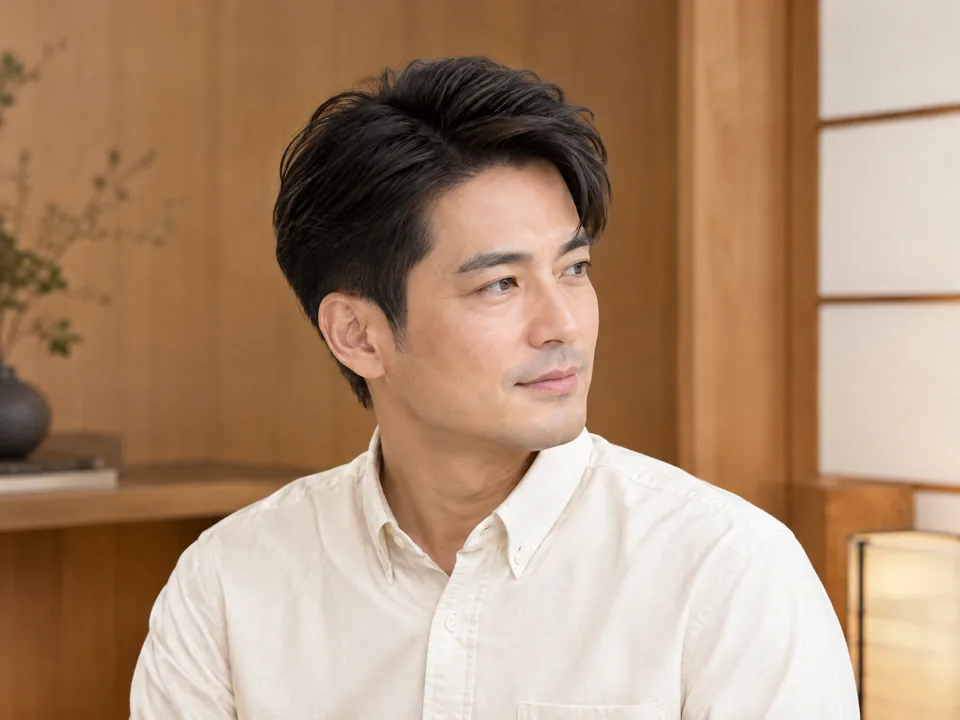
The most reliable wedding morning is not one where everyone starts at the same time; it is one where each person has a clear preparation window, a defined hand-off and enough buffer before the first photograph. Build the run sheet around fixed moments, protect the groom’s haircut and grooming from last-minute experiments, and let the couple prepare in parallel whenever space and suppliers allow.
01
Start with the moments that cannot move
Begin with the first non-negotiable event: a tea ceremony, civil ceremony, church service, first look, family photographs or transport departure. Work backwards from that point rather than asking a stylist to suggest a start time in isolation. The couple’s finished time should include leaving the preparation room, finding the lift or vehicle, gathering rings and documents, and allowing the photographer to take a few calm establishing frames.
Write one shared master sheet, then make a smaller grooming sheet for each person. The master sheet answers where everybody must be and who is responsible for moving them. The grooming sheet answers what happens to hair, face, beard, shirt and accessories. This distinction prevents a common failure: a person is technically ‘done’ but cannot leave because cufflinks, family photos or a missing garment still need attention.
For a hypothetical example, assume the couple must be downstairs at 10:30. If the plan allows 15 minutes to travel within the venue and 20 minutes for final checks and photographs, the grooming team’s finished-by time is 9:55. That arithmetic is only an example; replace every number with the actual venue route, supplier advice and ceremony requirements. Do not quietly treat a sample timetable as a promise of service duration.
| Anchor | Question to answer | Owner |
|---|---|---|
| Ceremony or departure | What is the exact must-be-there time? | Couple and coordinator |
| Movement buffer | How long do lifts, roads, security and gathering people realistically take? | Coordinator |
| Finished portraits | When must hair, makeup, clothes and accessories be camera-ready? | Photographer and couple |
| Grooming completion | What final checks remain after the chair or mirror? | Each person |
| Preparation start | What sequence avoids chairs, mirrors and rooms competing? | Couple and suppliers |
02
Plan the groom’s hair as a controlled variable
Men’s hair is often given a vague line such as ‘quick styling’, yet the result depends on length, density, natural parting, humidity, product buildup and whether the cut is fresh. Decide first whether the wedding morning is for styling only, a small tidy-up or a full haircut. A substantial change is better treated as a separate decision well before the event, because the morning is a poor time to discover that a fringe, fade or beard line does not behave as expected.
Bring the actual styling products or photographs that explain the desired finish, but do not assume a reference image transfers unchanged to another head of hair. A matte finish, low shine, visible texture and slick control require different product choices and different tolerance for movement. Tell the stylist what the hair must survive: a windy photo location, a helmet, a change of shirt, dancing, humidity or a long banquet. The best brief describes the conditions, not only the look.
A useful compromise for a couple is to schedule the groom’s hair in a block that finishes before the bride’s final reveal, while keeping a short final-check slot near departure. That slot is not a second full appointment. It is for checking the part, flattening flyaways, refreshing product lightly and confirming that the collar and neckline have not disturbed the shape. If the groom wears glasses, a hat or traditional headwear, test the interaction before the wedding morning.
- Choose a finish in words: natural movement, controlled texture, soft side part, low shine or polished hold.
- Confirm whether facial hair is being trimmed, shaped or simply brushed; these are different tasks.
- Wash according to the stylist’s advice rather than assuming freshly scrubbed hair always styles best.
- Keep a small comb, blotting tissue and the agreed product available for the final check.
- Do not trial a new chemical treatment, aggressive exfoliation or unfamiliar fragrance immediately before the event.
03
Run parallel tracks instead of making one person wait
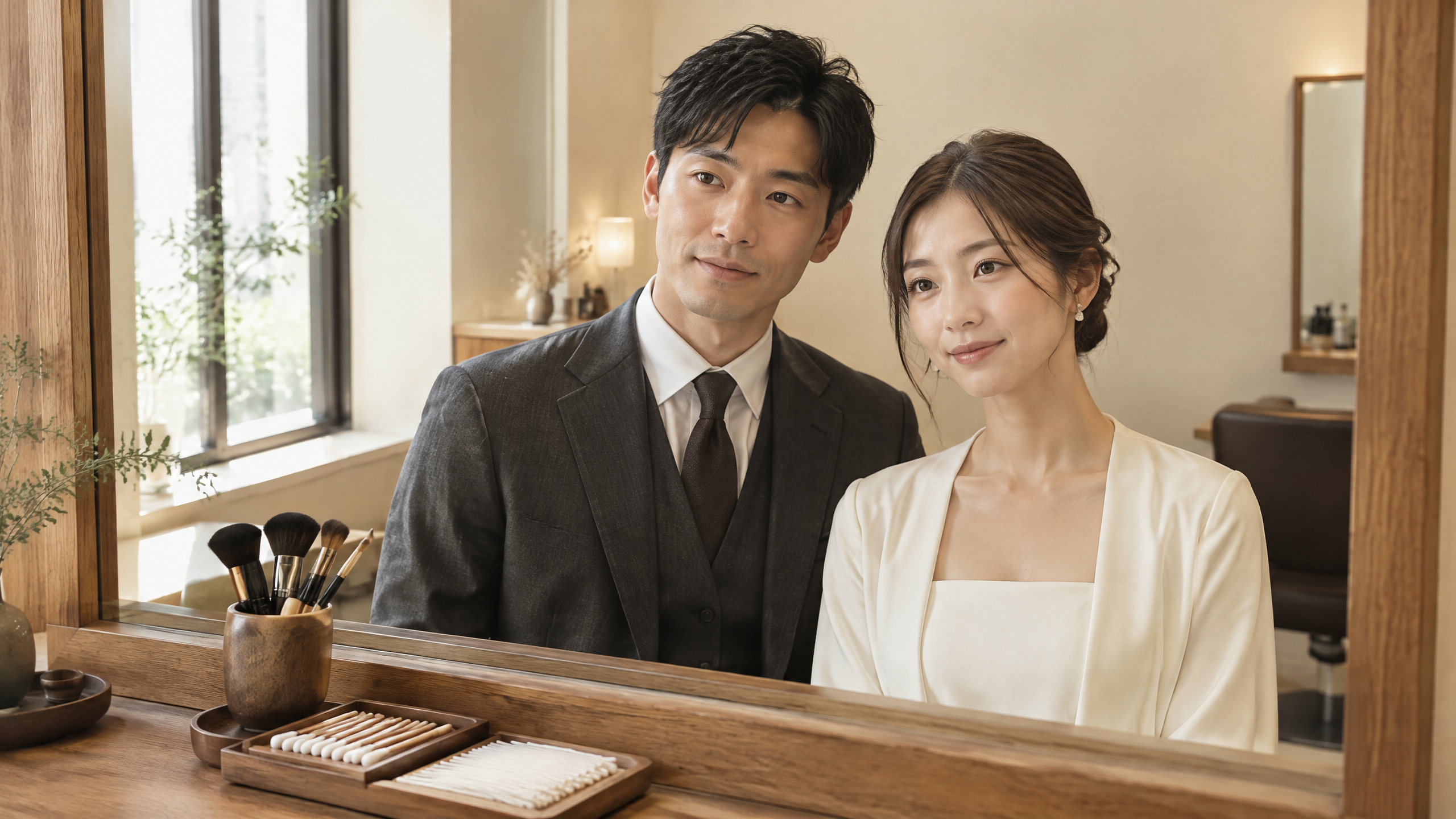
The couple’s morning becomes calmer when the room is designed for parallel work. Hair can happen in one zone while makeup, steaming, jewellery or photography preparation happens in another. If there is only one mirror or chair, use a deliberate order: the task needing the longest uninterrupted concentration gets priority, while low-risk tasks such as breakfast, dressing the lower half, steaming a jacket or organising accessories happen away from the chair.
Discuss privacy and reveal preferences in advance. Some couples want to see each other throughout the morning; others want the first look to remain private. That choice affects room allocation, photographer access and when the groom should put on the final jacket. It is not a beauty detail, but an operational constraint that belongs on the run sheet.
If you are comparing a bridal makeup Hong Kong enquiry, use the supplied date, venue, face and hair preferences, sensitivities and sequence as planning information rather than assuming a page description settles availability. BigDeal Make Up is a related-brand resource, not an independent endorsement; service details should be confirmed in writing for your own plan.
| Track | Can happen while another person is in the chair | Needs a hand-off |
|---|---|---|
| Groom | Breakfast, shirt preparation, accessories, light facial grooming | Hair finish, beard line, jacket and final photo check |
| Bride | Dress details, jewellery layout, photography briefing | Makeup reveal, veil or hair accessory placement |
| Coordinator | Confirm transport, rings, documents and family call times | Announce room clear and departure |
| Photographer | Detail shots, room and invitation images | Portrait sequence and first look |
04
Use a hand-off system for people, garments and information
A run sheet fails at hand-offs, not usually at the headline appointments. Name one person to collect the rings, one to manage family messages, one to check transport and one to keep clothing protected. The couple should not be the only people who know where the documents or accessories are. Put the responsible person’s name beside each task, with a backup if that person is being photographed or changing clothes.
Create a ‘ready’ definition for each person. For the groom, ready may mean hair styled, face comfortable, shirt buttoned, shoes on, jacket protected until portraits, boutonniere attached and phone handed to a trusted person. For the bride, ready may involve a dress, veil, jewellery and a different photography sequence. Specific definitions prevent a well-meaning helper from declaring someone finished while a visible detail remains.
Keep a short message template for suppliers: venue room, access point, contact person, fixed anchor time, parking or lift instructions, and the moment that cannot slip. If the ceremony moves, update the master sheet once and broadcast the new version. Multiple contradictory messages create more delay than a modest change to one timetable.
05
Decide whether the look needs a change or only a touch-up
A touch-up restores a planned look after time, heat, movement or photographs. A look change creates a new visual direction, such as moving from a daytime natural finish to a stronger banquet finish, changing the hair shape, or adapting to a second outfit. The distinction matters because a change needs decision time, clean tools, access to products and a realistic slot between fixed events. Calling a full change a ‘quick refresh’ is how the schedule becomes fragile.
Before adding a second look, identify what guests and cameras will actually see. A new jacket, lighting change or evening setting may justify a small adjustment rather than a complete transformation. For the groom, this could be a controlled restyle, a beard tidy, a different part or a change in shine level. Ask whether the improvement is visible enough to justify moving people, protecting clothing and reopening the preparation kit.
When considering bridal makeup touch ups, give the supplier the outfit-change moment, ceremony and banquet locations, and the desired difference between looks. The phrase ‘touch-up’ should describe the intended work, not hide uncertainty. The same logic applies to men’s hair: state whether you want preservation, repair or a new shape.
- Preserve: remove shine, soften a flyaway, refresh lip or skin comfort, and keep the design intact.
- Repair: correct a specific issue caused by wind, rain, sweat, clothing or an accessory.
- Change: alter the visible design enough that it needs its own consultation and time block.
- Skip: if the new look is not visible in the next photographs, protect the schedule instead.
06
Build hygiene and comfort into the preparation plan
Good grooming logistics include clean hands, clean surfaces and products used as labelled. The US Food and Drug Administration advises consumers to wash their hands, keep containers clean and closed, and stop using a cosmetic if it causes a problem; it also notes that labels such as ‘hypoallergenic’ do not guarantee that a reaction cannot occur 1. This is general US consumer guidance, not Hong Kong law or a certification of any supplier.
For the couple, the practical translation is simple: disclose known sensitivities early, bring only products you understand, avoid sharing personal eye products, and do not introduce a new active skincare product on the wedding morning. Keep water, a light snack and prescribed personal items accessible. A crowded schedule can make someone ignore discomfort; assign a helper who can pause the process and communicate clearly.
Eye comfort deserves its own line on the checklist. FDA guidance says not to share eye cosmetics, not to use cosmetics around an eye infection or inflammation, and to stop if irritation occurs and seek medical advice for persistent discomfort 2. It also warns against applying eye makeup in a moving vehicle. Plan the application in a stable, well-lit place, and treat health concerns as reasons to pause rather than problems to cover.
07
Protect the last hour from avoidable decisions
The final hour should be a verification phase, not a design meeting. Put the approved reference image, outfit order and accessory list in one place. Check the groom’s hair from the angles used by the photographer, then stop handling it. Excessive brushing, adding product repeatedly or changing the part can turn a stable finish into a visibly worked-over one.
Keep food and drink practical. Choose something familiar that can be eaten without staining clothing or disturbing makeup, and leave enough time to brush teeth or rinse if needed. Place phones on one managed channel so the couple is not answering every family question while suppliers are working. A quiet room is a grooming tool: it protects concentration and gives the photographer a better chance of capturing genuine preparation moments.
If you are exploring morning and banquet bridal makeup, compare the proposed morning and evening coverage against the actual ceremony, banquet and travel sequence. Do not infer a price, duration, date or location from a general description; request written confirmation. The same discipline keeps a groom’s hair plan realistic when the day contains more than one venue or outfit.
08
A final run-sheet review for the couple
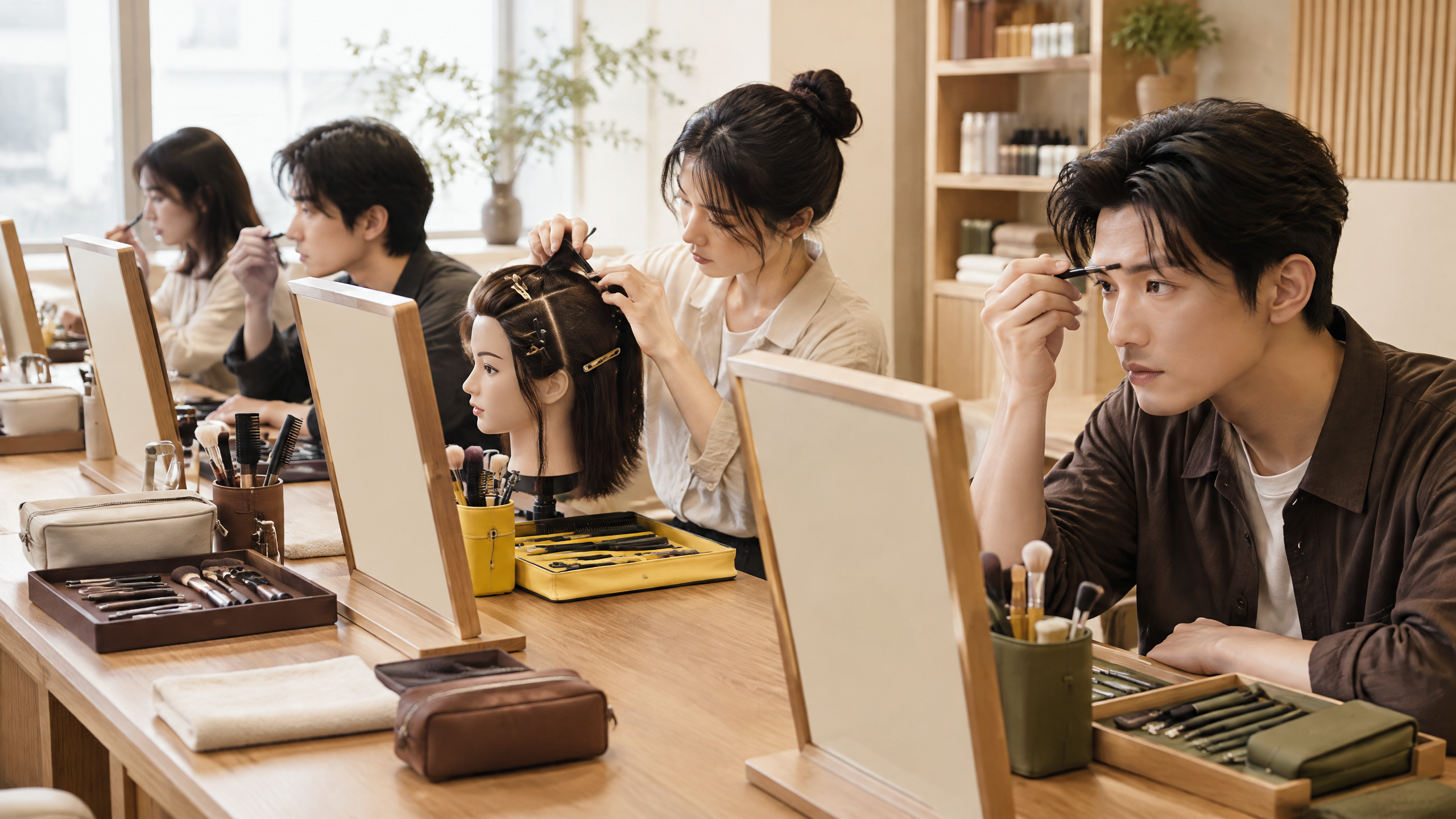
Review the sheet together several days before the event, then let the coordinator own the live copy on the day. Confirm arrival instructions, room access, lighting, chairs, electrical needs, mirrors, water and waste handling with the venue and suppliers. Mark every transition that involves clothing, a lift, a vehicle, a family group or a photographer. Those transitions deserve buffers because they involve people who may not be watching the clock.
The groom’s final brief can fit on one card: approved shape, product preference, beard decision, glasses or headwear, outfit order, finish-by time and the name of the person authorised to request a change. The bride’s card can carry equivalent details for makeup, hair accessories, veil, outfit changes and touch-up decisions. Matching formats make the two tracks easier to coordinate without forcing identical looks or identical appointment lengths.
After the review, remove anything that is merely aspirational. A wedding morning is successful when the couple can move, greet people and be photographed without repeatedly reopening settled decisions. Hair and grooming should support that freedom: prepared in advance, adjusted deliberately, and protected by a run sheet that treats time, comfort and hand-offs as part of the look.
Sources and useful reading
Continue with hair and grooming
Explore the hair-planning side: Groom Hairstyle Perm HK
For another practical image-planning guide: Bridal Trials and Groom Styling: Test the Whole Wedding Look
Meet the lead stylist and learn about the studio: Vit So and Canvas Texture
Make your grooming run sheet practical
For a hair consultation at Canvas Texture, share the wedding date, venue, fixed events, desired finish and any planned outfit or headwear changes. The consultation can help you define a realistic men’s hair and grooming sequence; confirm scope and arrangements in writing.
Canvas Texture · WhatsAppFrequently asked questions
Should the groom have a haircut on the wedding morning?
Usually, treat the morning as styling and a controlled tidy-up unless a trusted professional has planned the cut well in advance. A major change introduces shape, length and styling variables when the schedule has the least flexibility. If a trim is necessary, confirm the exact scope, finish and recovery time before adding it to the run sheet.
How can a couple avoid one person waiting for the other?
Map two tracks around the fixed ceremony or departure time. While one person is in the chair, the other can handle breakfast, accessories, clothing preparation, family communications or detail photographs. Use one master sheet and name owners for transport, documents and room movement so the couple does not become the coordination team.
Is a wedding-day touch-up the same as a second look?
No. A touch-up preserves or repairs an agreed look; a second look changes the visible design and needs its own decisions, products and time. Describe the desired difference, outfit-change moment and locations to the supplier, then decide whether the visual benefit justifies the additional hand-off.
What should we do if a cosmetic or grooming product causes irritation?
Stop using the product and communicate the issue immediately. Do not try to conceal persistent eye or skin discomfort by adding more product. Follow appropriate medical advice, and disclose known sensitivities before the event so the preparation plan can use familiar, suitable options.
Related journal articles
Camera-Ready Groom: Hair Texture and Natural Makeup
The most camera-ready groom does not look heavily made up; he looks like himself with controlled shine, deliberate hair texture and enough definition to survive changing light. Decide the hair shape first, then use restrained complexion and brow adjustments to support it, and test the complete combination under the kinds of light and movement your day will actually contain.
Bridal Trials and Groom Styling: Test the Whole Wedding Look
The most useful bridal trial is not a bride-only appointment: it is a controlled test of the couple’s complete visual balance. Coordinate the bride’s makeup and hair reference with the groom’s haircut, texture, facial hair and outfit, then judge the result in the lighting and photos you will actually face; this catches proportion, shine and timing problems before the wedding day.
Registry to Reception: Hair, Makeup and Budget Trade-Offs
The best registry-to-reception plan is not automatically two complete makeovers. Start by deciding which visual change guests will actually notice, then spend on the hair, makeup and coverage that support that change. A simple registry look can become an evening look through a controlled hairstyle adjustment, a lipstick or eye update, and a clearly agreed touch-up window—provided the schedule, outfit and service scope are planned together.