
A preserved flower bouquet: Guest Hair and Home Care Differences
Choose a preserved flower bouquet for a water-free keepsake, but check its materials and the recipient’s display conditions first. Prepare guest hair separately: a clear fringe and a comfortable shape matter more than matching your styling product to the flowers. These are different care decisions, brought together by the practical demands of a home visit.
In a hypothetical Hong Kong housewarming, you might arrive after an outdoor walk, carrying flowers while the host finishes dinner. A fragile arrangement needs protection from jostling. Your hair needs to stay out of your eyes while you manage the door, greeting and gift. Neither should become another task for a busy host.
This Canvas Texture journal guide starts with the guest’s routine, then compares preserved stems, dried stems and living orchids. It also considers transport, a compact dining room and group photographs. Use the distinctions to choose a manageable gift and arrive prepared, without treating flowers as hair-care products or low-maintenance decor as maintenance-free decor.
01
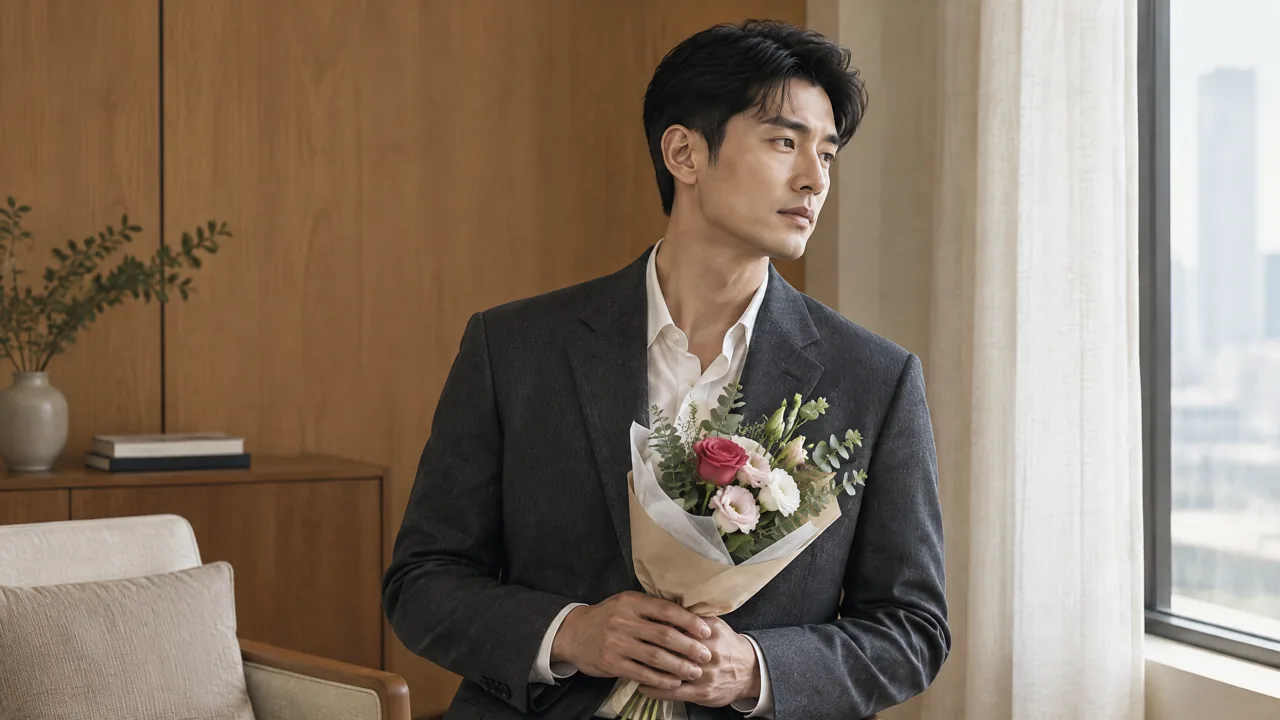
Prepare a fringe that leaves both hands free
Start with the movements your visit will involve. Look down as though reading a message card, then turn towards a doorway. If your fringe repeatedly falls across your eyes, adjust its direction before leaving. A style that looks balanced only when standing still can become distracting when both hands are occupied with a gift.
Give washing and drying enough room in your preparation rather than squeezing them between packing and departure. The American Academy of Dermatology advises limiting brushing and excessive heat, and allowing partial air-drying before styling [1]. That supports a gentler routine, not repeated hot passes whenever one small section refuses to sit perfectly.
For a textured crop or longer top, use your familiar finish rather than testing a different product immediately before the visit. Check the front and side in the mirror. Consider whether an umbrella, jacket collar or bag strap will disturb the shape. A small adjustment now is easier than restyling while holding delicate flowers.
Longer hair may need securing when helping with food or attending a floral activity. Follow the host’s or instructor’s requirements, without pulling it painfully tight. If you are considering a perm or colour change for the occasion, ask a stylist to assess your hair condition. There is no universal appointment interval that suits every head of hair.
A thoughtful arrival leaves the host free to greet you, not searching for a vase while you repair your fringe.
02
Choose preserved stems for the shelf they will actually occupy
Preserved flowers are treated natural materials, rather than living stems awaiting a vase of water. Their appearance and flexibility depend on the flowers and preservation method. An arrangement may also contain conventionally dried accents. Ask what is included, because a single care label should not conceal differences between soft petals, brittle grasses and decorative wrapping.
A preserved flower bouquet can suit a keepsake gift when the recipient wants floral colour without tending cut stems. Ask Y. Florist to confirm the actual materials, dimensions and care instructions before choosing. Those details matter more than assuming every photograph represents the same construction or that preservation guarantees an unchanged appearance indefinitely.
Think about the proposed shelf, not just the bouquet’s face. A narrow console beside an opening door needs clearance on both sides. A surface near bathroom moisture or cooking steam is a poor starting point for a moisture-sensitive arrangement. Direct sunlight can also alter colour. Discuss the available indoor position with the supplier before settling on size.
Keep the handover simple by leaving the care note with the gift. Explain that this arrangement is not watered like fresh cut flowers, if that matches its supplied instructions. Do not unwrap unsupported stems merely to produce a larger reveal. A compact, protected presentation can be more considerate than making the host reorganise the room immediately.
| Form | Main distinction | Ask before gifting |
|---|---|---|
| Preserved arrangement | Treated natural flowers; usually displayed without water | Which materials and humidity precautions apply? |
| Dried arrangement | Dehydrated stems with a firmer, brittle texture | How should the stems be supported and cleaned? |
| Living orchid | A potted plant with ongoing growing needs | What are its light, watering and drainage requirements? |
03
Give dried flowers enough clearance to keep their texture
Dried stems offer a different visual effect from preserved petals. Their papery surfaces and rigid lines can complement wood, linen or a simple ceramic vessel. The trade-off is handling. A fine stem may snap rather than bend when brushed by a sleeve, so an airy silhouette needs more protected space than its weight suggests.
A dried flower bouquet is worth considering for a recipient who enjoys muted colour and sculptural texture. Confirm the available stems, finished width and recommended support before ordering. An arrangement that looks restrained against a plain studio background may still spread too widely across a small flat’s entrance console or shared work desk.
In a hypothetical flat with a busy hallway, a compact bunch on a deeper living-room shelf may work better than tall grasses beside the door. Choose for the traffic around the display. Ask whether the recipient already has a suitable dry vessel, or whether the presentation is intended to remain supported in its supplied form.
Do not promise that dried flowers will keep their initial colour forever. Natural ageing and accidental breakage are different issues, but both affect expectations. Suggest gentle handling and follow the supplied cleaning advice. Avoid taking the arrangement into a bathroom while fixing your hair; that combines moisture, limited counter space and unnecessary contact with fragile stems.
04
Treat an orchid as a living responsibility, not a bigger bouquet
A potted orchid changes the gift from a stored arrangement into a living plant. Before selecting one, ask whether the recipient actually wants plant care. Someone who travels frequently may prefer a water-free display. Another host may welcome a plant but lack a position with suitable light. Neither preference reflects how much they value the gesture.
If you plan to buy orchids online, use the design options to discuss the plant, pot and intended display space. Confirm the variety, overall dimensions, final planter and delivery arrangements individually. A photograph cannot establish drainage, care needs or the recipient’s ability to accommodate the finished arrangement beside existing furniture.
Ask for care instructions specific to the supplied plant and growing medium. Do not transfer the no-water rule from preserved flowers to an orchid, or assume a decorative outer pot manages drainage. The recipient should know how to check watering needs and where excess water goes. Ask about the proposed window position rather than guessing from room brightness alone.
Consider carrying the planter as well as displaying it. An awkward pot can demand both hands and make an umbrella difficult to manage. Keep the plant supported without pulling on leaves, flowers or stakes. If the final arrangement is too cumbersome for your journey, discuss another handover plan instead of relying on a hurried transfer outside the building.
05
Plan the rainy journey before styling the final detail
Check the route from your door to the host’s entrance, including exposed pavement and any stairs. Packaging should protect the actual arrangement, not simply look attractive. Ask the supplier about suitable outer protection. Do not squeeze a wide bouquet into a narrow bag or assume a soft carrier will prevent delicate flower heads from being crushed.
Keep access information separate from the message card. Confirm the building entrance, recipient contact and any reception requirements with the host. If a supplier is transporting the gift, agree the practical arrangements directly. Avoid making promises about arrival timing on someone else’s behalf. The host should not have to interrupt dinner preparation to resolve an unidentified package.
For your own arrival, reserve a brief moment to fold the umbrella and settle your belongings before greeting. Keep your head away from the flower face when checking the wrapping. If hair has shifted, use a clean hand or your usual small comb away from the arrangement. Repeatedly touching both hair and petals creates needless handling.
After handing over the gift, allow the host to decide when to open it. Some arrangements need a stable surface rather than an immediate doorway reveal. If your visit includes cooking, store your bag and grooming items before joining in. This prevents a sequence of interruptions while everyone is trying to make space for coats, food and flowers.
| Situation | Protect the gift | Keep grooming manageable |
|---|---|---|
| Rainy outdoor approach | Confirm weather protection and keep packaging upright | Fold the umbrella before adjusting the fringe |
| Crowded public transport | Keep delicate heads away from bags and elbows | Avoid a style needing constant hand checks |
| Heavy orchid planter | Confirm a manageable carrying or delivery plan | Leave both hands available for support |
| Host finishing dinner | Place the protected gift on an agreed clear surface | Put grooming tools away before helping |
06
Separate the grooming corner from the dinner and flower surfaces
A compact home can use one table for several activities, but not all at once. Reserve a clean area for food and another surface for gift wrapping or floral materials. Keep hair products and combs in your bag or the bathroom. Do not spray hair products near uncovered dishes, baking ingredients or a flower arrangement.
The Hong Kong Centre for Food Safety identifies clean hands and utensils, separation of raw and cooked food, thorough cooking and safe temperatures among its Five Keys [2]. For this visit, keeping grooming supplies away from food is a practical separation measure. It does not replace the host’s food-handling procedures or establish a safe waiting time for dinner.
Wash your hands after adjusting your hair or handling packaging before helping with food. If a fringe needs securing, do that before starting the task rather than stopping repeatedly over the worktop. At a baking activity, follow the instructor’s hair-covering requirements. A photograph-friendly hairstyle is secondary to being able to see and work without constant adjustments.
Floral wrapping and loose dried fragments should stay away from serving plates. Decorative stems are not automatically food decorations, and preservation does not establish suitability for contact with food. Keep the arrangement on its own stable surface. If the host wants flowers beside a cake, leave space between them rather than inserting gift stems into the cake.
07
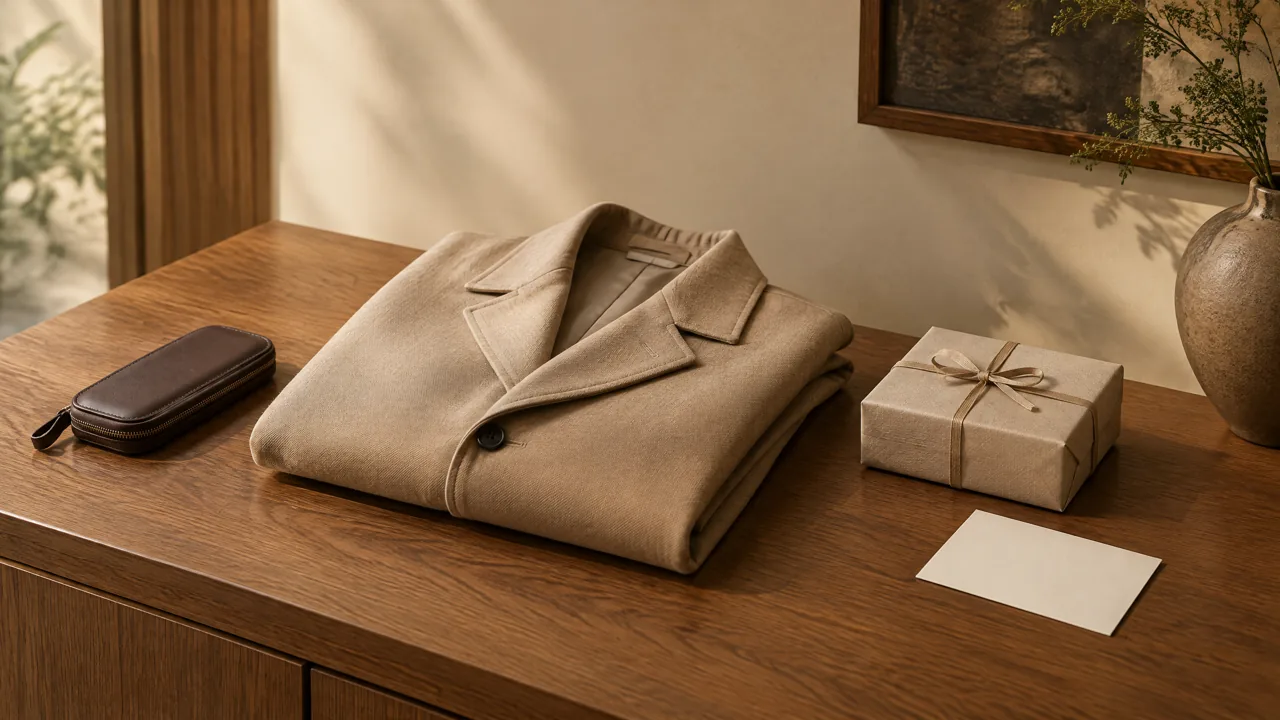
Compose the group photo without moving delicate petals
For a group photograph, first decide whether the bouquet is being held or displayed. A carried arrangement should sit where the holder can support it comfortably. Keep it below faces rather than lifting it into everyone’s shoulder line. A potted orchid often makes more sense on a stable surface than being passed between guests for successive pictures.
Check hair from the camera’s actual position. A front view can hide a flattened side, while a slight turn may place a long fringe across one eye. Make one small adjustment before the photograph, then leave it alone. You do not need to rebuild the hairstyle each time the photographer changes from portrait to landscape framing.
Avoid resting your cheek against flower heads or pushing petals aside to reveal a face. Preserved and dried materials can mark or break with pressure. Change the person’s position instead. If an arrangement blocks the host, lower it or move it to the side. The photograph should record the gathering, not require everyone to work around the gift.
Use clothing and flower colour as separate visual choices. A quiet shirt may make a colourful arrangement easier to see, but matching them is optional. Ask before rearranging the host’s display or removing wrapping. A comfortable posture, visible faces and an uncluttered background usually contribute more than trying to create a perfectly coordinated floral portrait.
Move the person for the photograph before moving fragile petals; comfort and clear faces should lead the composition.
08
Leave care instructions that fit the household
The best care note names the arrangement’s actual form. Preserved flowers, dried stems and living orchids should not receive the same generic instruction. Keep any supplier guidance with the gift and make the key distinction clear at handover. If the arrangement contains mixed materials, ask for a combined instruction rather than deciding which component matters most yourself.
Ask about pets before choosing materials. The FDA warns that true lilies and daylilies are dangerous to cats, including their pollen and vase water [3]. Do not bring them into a home with cats. Placing them higher or removing pollen is not a reliable solution. Suspected exposure requires immediate veterinary advice, not waiting to see whether symptoms appear.
Do not assume that dried or preserved labels make every ingredient harmless to pets. Confirm the full floral contents and discuss uncertain materials with the recipient before purchase. Likewise, a home with children may need a stable display away from casual pulling. The aim is to choose a suitable gift, not assign the household an elaborate system to manage it.
Leave the host with one useful care note rather than a speech about longevity. Your visit can finish without rearranging shelves or cleaning flower heads. Pack away your own grooming items and check that no loose wrapping remains near food. A well-chosen gift and a manageable hairstyle both let attention return to the people in the room.
- Ask whether the recipient wants a water-free arrangement or a living plant.
- Measure the intended shelf and check doorway, curtain and household traffic clearance.
- Confirm materials, final size, support and care instructions before agreeing the arrangement.
- Check pets and household restrictions before choosing flowers, not after the handover.
Sources and useful reading
Continue with hair and grooming
For a separate men’s own-hair consultation: Korean Men's Perm
Continue with related occasion and grooming planning: Condolence flowers: Respectful Grooming and Venue Checks
Read our men’s hairstyling background: Vit So and the Canvas Texture studio
Prepare for an easier home visit
Check the recipient’s display space and care preferences before selecting flowers. Prepare a familiar hairstyle with a clear fringe, then confirm packaging, access and handover details so the visit stays focused on your host.
Canvas Texture · WhatsAppFrequently asked questions
Should I put a preserved bouquet in water when I arrive?
No. Preserved arrangements are normally displayed without water. Keep the supplied care instructions with the gift and check any mixed materials with the supplier. Do not treat the wrapping or supported stems like a fresh bouquet awaiting a water-filled vase.
Is a dried bouquet easier to carry than a potted orchid?
It may be lighter, but delicate dried stems still need protection from crushing and bending. An orchid planter can be heavier and needs stable support. Compare the final dimensions, packaging and route rather than choosing solely by weight.
How should I fix my hair if the host asks me to help with baking?
Secure any hair that falls into your view before starting, and follow the host’s or instructor’s covering requirements. Make adjustments away from ingredients, then wash your hands before returning. Do not use hair spray in the food-preparation area.
Can I make lilies suitable for a cat-owning host by removing the pollen?
No. True lilies and daylilies should not be brought into a home with cats. Leaves, flowers and other plant parts also present danger. Choose different materials after checking the full arrangement, and seek immediate veterinary advice if exposure is suspected.
Related journal articles
Hong Kong Catering Service: A Host’s Grooming Plan
A host’s hairstyle has done its job when it stops competing with the welcome.
Catering Packages: Compare Food and Grooming Budgets
Editorial principle: protect the meal and the host's preparation time before spending on extra variety or a more elaborate look.
Office Lunch Catering: Keep Hair Products off Food Tables
A prepared host gives hair products a home before giving lunch a place on the table.

