
Bridal hair and hair colour consultation: plan ahead
Plan wedding hair by agreeing on a workable shape before deciding whether your colour needs changing. Start with your current hair, dress, accessories and the time you must leave the salon. A useful consultation connects these details rather than treating a favourite photograph as a complete instruction. It should also separate your preferred appearance from the services and arrangements that still need confirmation.
Colour can make a gathered shape look different, but it is not a compulsory wedding preparation step. Keeping a familiar shade may suit your priorities better than making a dramatic change. If you are considering colouring, share your processing history and previous reactions early. Ask what can be assessed before committing to the work, rather than choosing a date first and hoping everything fits.
This guide explains how to turn an inspiration folder into clear decisions about shape, colour, comfort and timing. It also distinguishes a salon styling enquiry from an assumed wedding package. A trial, makeup, venue attendance and later changes are separate questions. The aim is a plan you can understand and discuss, not a promise that your hair will look unchanged throughout the day.
01
Start with the outline you want people to see
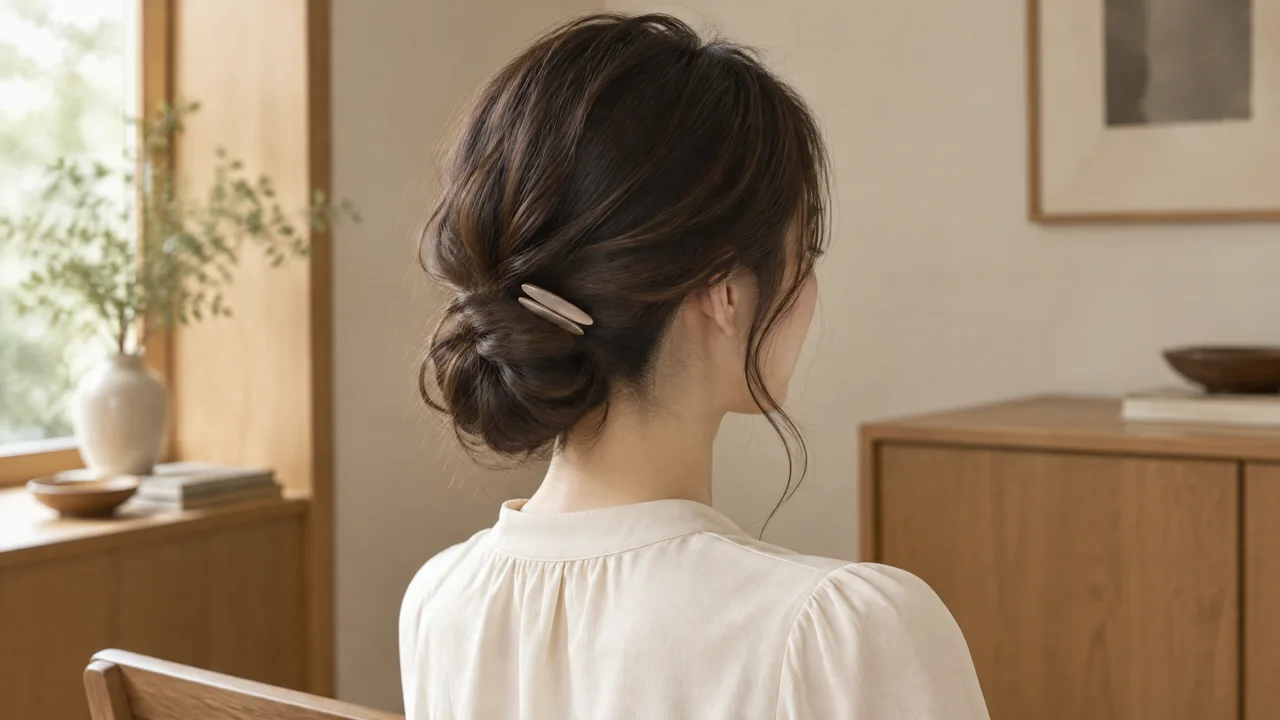
Choose the view that matters most before collecting more references. You might prioritise an open dress back, earrings visible from the side or a soft front portrait. Those aims can compete. Moving all the hair behind the shoulders may reveal a neckline but remove the face framing you liked. Naming your priority gives the discussion a way to resolve that conflict.
Vit So's bridal hair page helps organise an in-salon enquiry around your dress, current hair and departure deadline. Use it to identify the information needed for a hair-only proposal. It does not establish an included trial, a makeup appointment or attendance at your venue. Those details need separate discussion before you build them into the wedding schedule.
Limit your first selection to a few pictures with different purposes. One can show the front, another the back and another the accessory placement. Annotate each with the detail you mean. Saying that you like a low shape with visible ears is clearer than asking for something elegant. Include an unwanted feature too, such as a fringe falling across your eyes.
Here is an illustrative planning scenario, not a client account. Someone likes a large, textured bun in one image and a sleek side profile in another. Their own hair is shorter and finely layered. The useful question is which feature to preserve first. A smaller gathered outline may express the desired profile without assuming extra hair or reproducing the bun's size.
A reference is useful when you can name the detail you want and the detail you are willing to change.
02
Compare the dress, veil and ordinary movements together
A hairstyle has to sit beside clothing, not only look attractive on its own. Show the dress neckline and back, plus any later outfit with a higher collar. A low bun may reveal the shoulders but occupy the same space as a collar or seat back. Loose hair keeps movement visible, while also covering some fabric and jewellery as it shifts.
Bring the actual accessory where possible, including its comb, clip or band. A photograph of the decorated surface cannot explain the attachment underneath. Discuss when the veil will be worn and removed, and who will help after you leave the salon. The design should account for what remains visible without the veil, rather than treating removal as an unplanned final step.
If a fitting or trial is expressly arranged, check sitting, turning and looking down as well as standing still. These movements can reveal hair catching on an earring or a veil meeting a shoulder. Report a pressing pin or uncomfortable tension. Comfort is a design requirement, not proof that a style is insufficiently secure, and it belongs in the conversation before departure.
The comparison below is a starting point rather than a ranking. Think about what each outline reveals and what it asks you to manage. A half-up shape may be a sensible compromise, but it still needs a decision about front movement and attachment space. Shorter hair can also have a deliberate shape without automatically requiring extensions, a hairpiece or a large gathered section.
| Outline | What it can emphasise | Question to resolve |
|---|---|---|
| Loose finish | Length and movement beside the shoulders | How much hair across the face or neckline feels acceptable? |
| Half-up shape | Some front control with back length visible | Where does the accessory sit without hiding the gathered detail? |
| Low gathered shape | Neck, earrings and the dress back | Does its position work with the collar and comfortable sitting? |
| Compact shorter style | Parting, texture and the existing cut | Which reference details work with the length already present? |
03
Decide whether colour serves the chosen shape
Look at your colour with the proposed hairstyle in mind. Gathering hair can expose darker sections underneath or place lighter ends beside the roots. Loose waves arrange those same areas differently. This does not mean contrast is a fault. It means the colour decision should follow the shape you intend to wear, rather than a separate image of somebody else's hair worn down.
Describe placement before naming a technique. You might want less contrast around the face, a deeper root or lighter strands that remain visible in a twist. These requests explain the visual goal without presuming a particular formula. Ask what work that goal would involve on your current hair, especially if the lengths contain old dye or the ends have already been lightened.
Keeping your present colour is a valid option. It avoids adding another change to evaluate while dress fittings and styling decisions are still moving. Refreshing one area and changing the whole head are also different requests. Their scope, timing and suitability need separate assessment. Choose the change because it supports your priorities, not because wedding preparation seems incomplete without colouring.
For an illustrative example, imagine a person planning a smooth bun with a dark root and much lighter ends. They dislike a strong contrast in the gathered shape. The discussion could compare repositioning visible sections with a proposed colour adjustment. This is not a recommendation for a specific treatment. It shows why solving the appearance question first can prevent an unnecessary assumption about chemical work.
04
Make colour history and safety part of the consultation
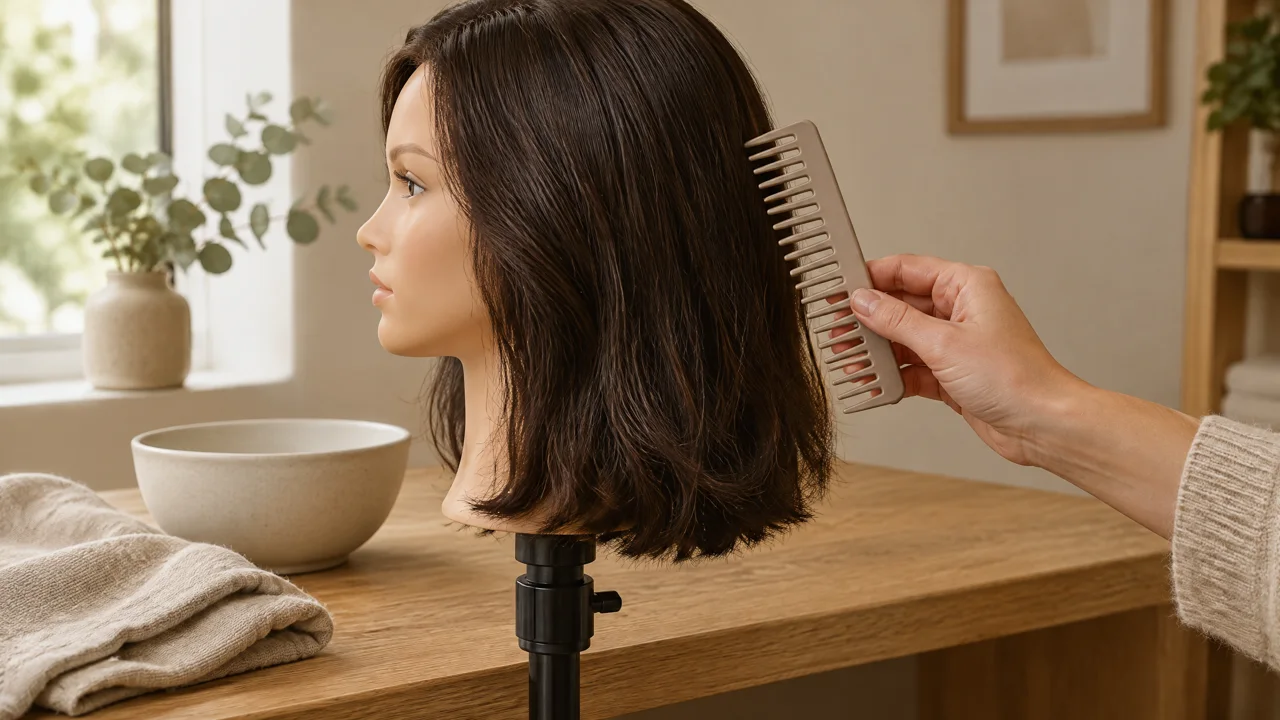
Prepare current photographs in ordinary light, showing roots, mid-lengths and ends separately. Add the approximate dates of dye, bleaching, perming or straightening. Mention home colour and henna if relevant. If you do not know the product name, describe what happened instead of guessing. A clear history helps explain why two areas of the same head may need different consideration.
The appointment guidance is useful when preparing a hair colour consultation enquiry because it asks for the starting shade, previous processing and intended change. It also prompts questions about a separate consultation's format and fee. Use those questions to establish what can be discussed before choosing a colouring date; the page does not promise free consultation or a particular language arrangement.
Tell the salon about any previous reaction to hair dye. FDA guidance advises following the product's directions for skin testing before use. Previous uneventful use does not guarantee that a later application will be reaction-free, and a negative test cannot exclude a reaction. It also advises against colouring an irritated or damaged scalp.[1] These points support early safety questions, not a claim about a salon's testing policy.
The American Academy of Dermatology notes that colouring and perming can leave hair dry and brittle.[2] Raise existing roughness, breakage or heavily processed ends before agreeing to further chemical work. Do not assume a cosmetic care step makes every proposed change suitable. If the assessment suggests a different approach, you can reconsider the colour goal rather than treating the original photograph as non-negotiable.
Ask how product instructions and any required testing fit into the proposed appointment sequence. Avoid assigning yourself a universal deadline borrowed from another salon or a social post. The relevant arrangements depend on the proposed work and product directions. Leave the discussion with a clear next step, which may be further assessment or a revised plan rather than immediate colouring.
Colour is one design choice. It should not become a deadline that overrides the history of the hair.
05
Use an agreed trial to answer specific questions
A trial is useful only if you know what you are trying to learn, and its availability must first be established. Choose a preferred outline and one meaningful alternative. Comparing every saved hairstyle can make the session less decisive. Ask what the proposed session covers, which accessories to bring and how it would be charged separately from the wedding-date appointment.
Test the uncertain details rather than requesting a general reassurance. If you are unsure about front softness, compare the amount of hair beside the cheek. If the veil is the issue, examine its attachment and the view after removal. If the bun feels too low, check its relationship with the collar. These observations give you concrete changes to discuss afterwards.
Photograph the agreed shape from the front, side and back if permitted, then record what you chose in plain language. Distinguish an intentional change from a preference still under discussion. For example, write that the ears should remain visible and the loose section should not reach the eyes. A short decision record is easier to use than a folder of images with conflicting annotations.
A trial cannot prove how hair will behave through every later activity or weather condition. Discuss outdoor photographs, transport and outfit changes so the plan reflects those conditions. Agree which movement is acceptable and what you should avoid adjusting yourself. If a trial is not available, ask what can reasonably be settled through photographs and consultation rather than assuming the same evaluation has occurred.
06
Build the sequence around the actual salon departure
Work backwards from when you must leave the salon, not only when the ceremony begins. Travel, dressing and photographs may sit between those moments. State your realistic arrival time too. A narrow gap should prompt a discussion about the proposed scope, not a request to compress work into it. Keep colour preparation and wedding-date styling distinct unless a combined arrangement is explicitly agreed.
There is no single number of days that suits every colour change before a wedding. The sequence depends on the proposed work, preparation instructions and what still needs assessing. Discuss it early enough to consider alternatives without assuming a quick correction will be available. The table identifies decisions to settle; it is not a fixed timetable or a statement of appointment availability.
Ask for a hair-only quote that names the work covered. Washing, drying, accessory positioning, any proposed cutting and additional hair should not disappear inside an undefined package. A general styling menu is not a confirmed bridal price. Makeup, venue travel, other people's styling and later touch-ups are separate arrangements. A modest-looking hairstyle can still involve preparation that needs its own explanation.
Consider another illustrative planning scenario: a ceremony follows a salon visit, and an evening outfit has a higher collar. The person would prefer a different shape later. That wish needs a separate request about timing, scope and availability. It does not follow from the morning appointment. Alternatively, the initial design might be discussed around both outfits, accepting some compromise in the preferred outline.
| Planning stage | Decision to settle | What not to assume |
|---|---|---|
| Initial design discussion | Priorities, current hair, dress and accessories | That every detail of a reference can be reproduced |
| Colour assessment | Proposed change, history and preparation instructions | That a major change can fit any chosen date |
| Trial enquiry, if wanted | Availability, purpose, scope and separate charge | That a trial is included or offers unlimited looks |
| Wedding-date enquiry | Arrival, departure, hair-only scope and quote | That makeup, travel or continuing support is included |
| Before attending | Confirmed details and arrival preparation | That sending a message reserves an appointment |
07
Send one clear enquiry and keep the agreed decisions
Organise the first message so the date, desired outline and current hair details can be read together. Use the checklist below to select the essentials, then offer alternative dates where you have flexibility. Avoid scattering updates across unrelated messages. If the dress, accessory or desired colour changes, identify the revision clearly and ask whether it affects the proposed work or appointment arrangements.
When you are ready to book a hair appointment, Vit So's page explains the enquiry route rather than offering a live reservation. A message begins the discussion. Wait for the service, quote and appointment time to be confirmed before relying on the visit. The published appointment location is 252 Hollywood Road, Sheung Wan; venue or hotel styling cannot be inferred from that salon arrangement.
For an illustrative message, you could write: 'I am enquiring about an in-salon wedding hairstyle for my date. I prefer a low gathered shape with visible ears. My current hair photographs and dress details are attached. I need to leave by my stated time. Please advise on the proposed hair-only work and quote, and whether a separate colour discussion is appropriate.' Replace every detail with your own.
Before committing, ask about preparation, any deposit and the conditions for cancellation or rescheduling. If communication in English is essential, establish the language arrangement instead of relying on the website's language. Keep the confirmed details together with your decision notes. The most useful outcome is knowing what has been agreed, what remains open and which request needs a separate answer.
- Send the wedding date, realistic arrival time and firm salon departure deadline together.
- Attach current front, side and back hair photographs, plus the relevant processing history.
- Show the dress and accessory attachment, with one preferred outline and specific reference annotations.
- List separate questions about colour, a trial or later changes instead of assuming they belong to the styling quote.
Sources and useful reading
Continue with hair and grooming
Continue with Canvas Texture’s male hair needs: Groom Hairstyle Perm HK
Explore another related decision: Hair salon price list: men's and women's haircut prices
Read the lead stylist’s background: Vit So and the Canvas Texture studio
Discuss the male hair needs in your wedding plans
For your own male hair needs, whether as a groom or a guest, enquire with Canvas Texture about a consultation. Share your current hair, the shape you want and your styling routine, then ask about suitable options and appointment arrangements.
Canvas Texture · WhatsAppFrequently asked questions
Must I colour my hair before choosing a wedding hairstyle?
No. First consider the outline and how your existing colour looks when the hair is arranged that way. Keeping your shade is a valid choice. If you want a change, discuss your starting colour, processing history and the proposed work rather than treating colouring as a required wedding step.
How far ahead should I arrange colouring?
Ask about the proposed work and its preparation requirements before selecting a date. There is no universal interval for every starting colour and chemical history. Product instructions, assessment and appointment arrangements all matter. Do not assume a last-minute change or correction can be accommodated.
Does a bridal enquiry include a trial or hotel styling?
No. Begin by establishing the in-salon hair-only scope. Ask separately whether a trial or any off-site arrangement can be made, what it covers and how it is charged. Makeup, later looks and wedding-party styling also need their own confirmation.
What should I bring if a styling trial is agreed?
Ask for individual preparation instructions. Useful discussion items include the actual veil or accessory, earrings, dress photographs and annotated hairstyle references. Bring a short list of the decisions you want to test, such as front softness, bun position or the view after veil removal.
Related journal articles
Hair salon or hair stylist: what should you compare?
Choose the appointment around the change you need, not the most impressive title on the booking page.
Haircut, wash cut and blow dry: choosing the right family appointment
A family can share a journey to the salon without sharing the same haircut brief.
A layered haircut for busy days: choose what to keep
The most useful length is not always the longest strand; it is the shortest piece your routine still needs.

