Pet-Safe Birthday Cakes: Hair and Separate Party Food Plans
Plan a pet birthday with separate food arrangements for the animal and the human guests. Finish your hair before receiving cakes or handling food. These decisions prevent the host from juggling grooming, ingredient questions and an excited animal at the same moment. A shared celebration does not require a shared dessert.
For a hypothetical gathering in a Hong Kong flat, imagine six adult guests and one birthday dog. The owner wants a group photograph, while one guest needs a specific dietary option. The practical challenge is not matching every cake decoration. It is keeping the correct food attached to the correct recipient throughout the afternoon.
A good host hairstyle supports that work without becoming the centre of the party. Keep the fringe clear of your eyes, check the side profile and leave grooming products outside food areas. Use two written food briefs, a separate serving plan and a short portrait sequence to organise the celebration below.
01
Start with two recipient lists, not one matching cake design
Write the animal's name at the top of one brief and the human guest count at the top of another. Record who will actually eat each item. A decorative cake for the photograph is not automatically a serving allocation. Decide whether it is intended for the pet, the humans or display only.
For the pet brief, note the species, current diet and any restrictions already given by the veterinarian. For the human brief, ask guests about their individual dietary requirements before choosing flavours. Keep those answers separate. A human guest avoiding wheat tells you nothing about what the birthday animal may eat.
In the hypothetical six-guest party, the dog has one owner responsible for any approved treat. The adults have their own dessert allocation. Someone bringing another pet must ask its owner separately about participation and food. Do not assume the birthday animal's confirmed recipe can be divided among every visiting animal.
Choose a common visual theme only after these recipient lists are settled. Matching box colours or a birthday message can connect the celebration without copying ingredients. If a supplier cannot provide enough information for one brief, simplify that part of the party. The other dessert arrangement need not disappear with it.
| Decision | Pet food brief | Human dessert brief |
|---|---|---|
| Recipient | Named animal and owner | Named guests and actual dessert eaters |
| Diet information | Species, current diet and veterinary restrictions | Individual dietary requirements and relevant allergies |
| Approval | Owner checks recipe against veterinary guidance | Guest checks supplier information against their needs |
| Service | Owner controls any agreed portion | Assigned host uses the human dessert utensils |
A shared birthday photograph is a celebration detail, not permission to share the food in it.
02
Finish your host hairstyle before the doorbell starts
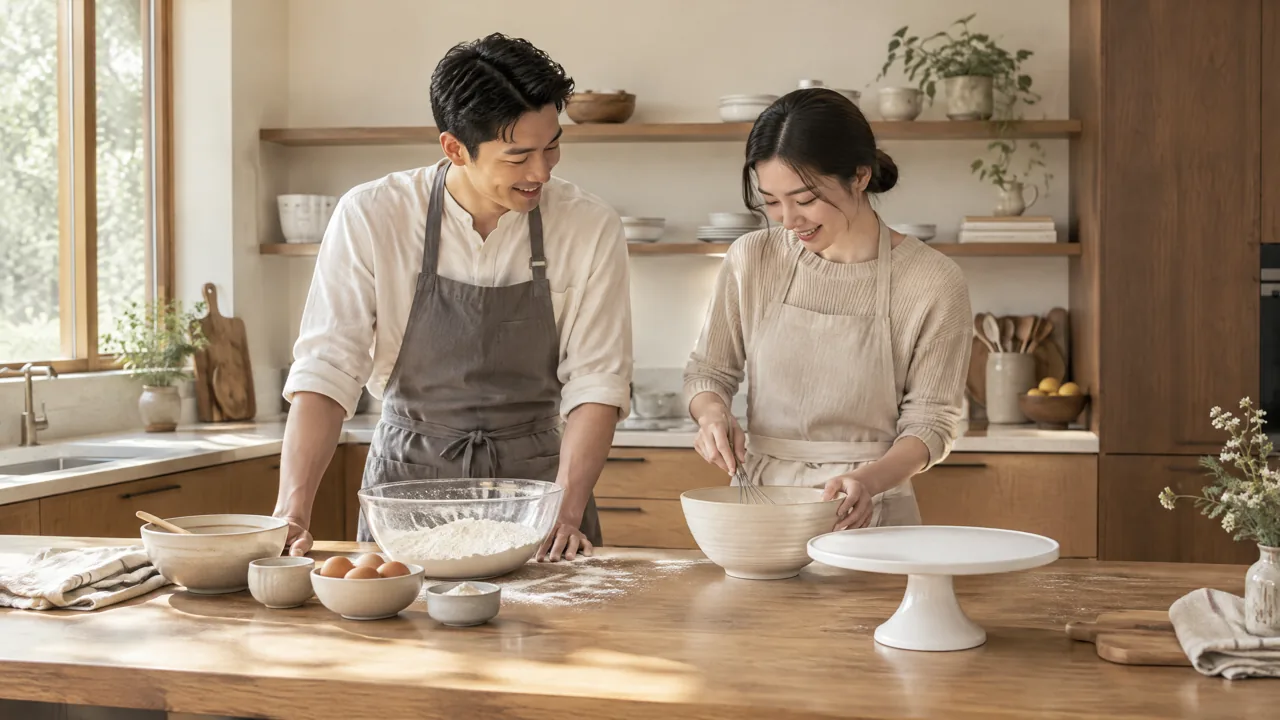
Give grooming its own slot before the first collection, delivery or guest arrival. Begin with the style you already know how to manage. Check whether the front falls over your eyes when you look down at a box. That movement matters more for hosting than a perfectly still mirror pose.
For a short textured cut, check the fringe and crown without repeatedly rebuilding the whole shape. For longer hair, arrange it so you can see and move comfortably. If you will prepare food or attend a baking session, follow the instructor's hair restraint or head-covering requirements. A photo-ready style is not a substitute.
The American Academy of Dermatology advises limiting excessive heat and brushing, and warns against continuously wearing styles that pull on hair.[1] Let hair partially air-dry where practical rather than compensating for a late start with repeated heat styling. This guidance supports gentler preparation, not a promise that one hairstyle suits everyone.
Keep styling spray, combs and other grooming items away from cake preparation and serving surfaces. Complete product application elsewhere, then wash your hands before food handling. If the style later needs attention, step away from service first. Ask a hairstylist about any proposed perm or colour change rather than improvising a party-day treatment.
03
Ask about every pet-cake component before approving the design
Use YumYum's Pet-Safe Birthday Cakes page to begin an enquiry about a separate birthday item for the animal. Ask for the full recipe and handling details before deciding whether it meets the animal's requirements. The service name and a photograph cannot establish suitability for an individual pet.
Ask about the base, filling and finishing ingredients, including any edible decoration. Request clarification where a description uses broad terms such as natural or wholesome. Those words do not identify the recipe. Tell the supplier that any substitution needs a fresh check rather than permission to preserve the design at all costs.
For an animal with a prescribed diet or a relevant health concern, take the proposed ingredients to its veterinarian. The bakery cannot replace that individual assessment. If you cannot obtain the information or advice needed before the party, leave the edible pet cake out. A birthday portrait and familiar routine remain possible.
Agree who will receive the pet item and retain its information. Ask the supplier for storage instructions and how the completed order will be identified. Keep any agreed portion under the owner's control. Do not let guests add human icing, spare decorations or table leftovers because they want to improve the photograph.
04
Confirm the human dietary cake without borrowing the pet label
A Gluten Free Cake enquiry belongs in the human guest brief when that requirement is relevant. Ask about the complete cake and preparation arrangements, not only the sponge. This label does not confirm suitability for every allergy, and it does not make the cake an option for the pet.
Ask the affected guest what information they need to make their decision. Then send specific questions about the filling, frosting and decorations to the supplier. Keep its written answers attached to that order. If the guest needs more than one exclusion, ask about one complete option meeting all those requirements together.
FARE explains that allergen cross-contact can involve amounts too small to see, and cooking does not remove that allergy risk.[3] Ask how relevant ingredients, equipment and serving tools are managed. A clean-looking slice or an assurance that the cake was baked is not enough information to settle a guest's concern.
Keep the confirmed dietary dessert identifiable through transport and service. Do not transfer it onto an unlabelled shared platter for visual symmetry. If the supplier cannot answer a material question, tell the guest before the event. Agree an alternative with them rather than presenting an uncertain cake as an inclusive solution.
05
Choose human portions around the actual serving moment
The Cupcake option can inform a human dessert enquiry when counted portions fit your guest schedule. Confirm ingredients, piece quantities, packaging and storage instructions before ordering. Individual portions can simplify allocation, but their format alone does not establish dietary suitability or remove the need for separate handling.
Choose a whole human cake when guests genuinely want a shared cutting moment and someone can serve it. Choose individual desserts when arrivals are staggered or guests will leave at different times. Neither choice changes the pet plan. Count human dessert eaters independently from the number of animals attending the celebration.
In the hypothetical gathering, four adults might eat after the photograph while two arrive later. Reserve the later guests' desserts before opening the first box. If one adult has a separately confirmed dietary item, name its recipient clearly. Do not count that item as a spare available to whoever asks first.
Settle whether anything is intended as a take-home gift. A party serving and a packed gift create different packaging needs. Ask the supplier what its quotation actually includes, including transport charges where relevant. Avoid promising guests a particular handover time until the collection or delivery arrangement has been confirmed in writing.
06
Give each box a destination in a compact Hong Kong home
Before ordering, identify where the closed pet box and human dessert boxes will go. Check usable storage space against the supplier's instructions, not just the size of the dining table. A hypothetical narrow entrance may also be unsuitable for opening cake boxes while guests and an excited animal are moving through it.
Hong Kong's Centre for Food Safety lists keeping hands and utensils clean, separating raw and cooked food, and safe temperatures among its five keys.[2] Apply that guidance to human food handling. Keep grooming supplies out of preparation areas, and follow the relevant storage instructions rather than inventing a universal display allowance.
Prepare distinct serving equipment for the pet item and human desserts. Give the separately confirmed dietary dessert its own identified equipment too, following the guest's requirements. Labels help people find the correct tools, but they do not clean them. If an item is used for the wrong food, stop and replace it appropriately.
Assign one receiver who can check each box without also restraining the animal. Compare labels and order details before anything is displayed. Ask about unclear storage instructions immediately. Keep packaging information until service is finished, so a later question does not depend on someone remembering which identical-looking box arrived first.
| Item | Destination | Responsible person |
|---|---|---|
| Pet birthday item | Identified storage place away from guest self-service | Pet owner checks and controls access |
| General human desserts | Separate storage and human serving area | Dessert receiver retains order information |
| Confirmed dietary dessert | Labelled separate container and serving equipment | Named server follows the guest's agreed plan |
| Grooming products | Bathroom or bedroom, outside food areas | Host finishes styling before handling boxes |
07
Take the portrait without turning the display into a feeding station
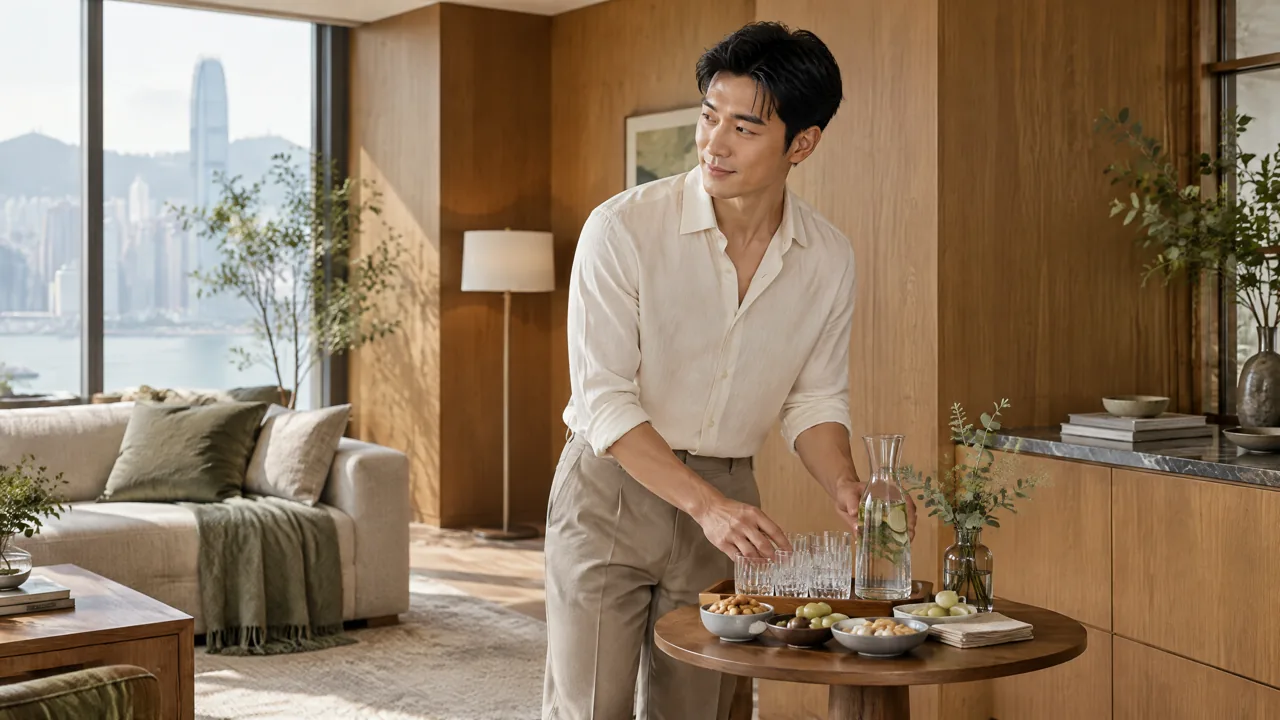
Choose a photograph location before putting any food there. Give the pet owner room to manage the animal without reaching across dessert plates. Use a closed cake box, a birthday sign or another non-food detail if that makes the scene easier. The picture does not need an open cake beside the animal's face.
Check your hairstyle from the angle the photographer will use. A side view may show a fringe falling forward when you lean towards the pet. Adjust it away from the food area before the shot. Keep the pose comfortable rather than making the owner bend awkwardly while managing both an animal and a cake.
Let the owner decide whether the animal is comfortable participating. If it moves away or becomes unsettled, shorten or abandon the staged photograph. A candid picture elsewhere can still mark the birthday. Do not make access to food the incentive for holding a pose unless the owner has already agreed the individual feeding plan.
After the photograph, clear the display before serving begins. Move human desserts to their own area and return control of the pet item to its owner. This visible change tells guests that the portrait setup was temporary. It also prevents someone from treating every item in the picture as a shared buffet.
Prepare your hair for the photograph, but prepare the room for what happens immediately after it.
08
Assign the final reset so guests do not undo the separation
Give guests a brief explanation when desserts appear: the animal's item stays with its owner, and human desserts are served separately. Name the person to ask about ingredients. Avoid inviting everyone to inspect an open dietary box. Questions are easier to resolve while the original information and assigned server remain available.
If you leave the room to fix your hair or answer a call, hand food service to a named person. Do not assume the nearest guest understands the two briefs. Tell them which portions are reserved and which tools belong where. That small handover preserves the plan during the busiest part of hosting.
Deal with leftover food by recipient and storage instruction, not by empty space in a single box. Keep pet and human items separately identified. Ask a guest before offering their dietary dessert as a take-home portion. Include the available ingredient and handling information rather than sending away a mystery slice with a cheerful assurance.
At the end, record what remains unresolved before the next celebration. Perhaps the storage space was too small, or serving and pet supervision needed different people. Improve those practical details rather than adding a more elaborate cake. A manageable hairstyle, clear food ownership and fewer competing tasks make the host better prepared.
- Name the pet owner who approves the recipe and controls any agreed serving.
- Confirm human dietary requirements and keep supplier answers with the correct dessert.
- Set out identified serving tools and reserve portions for later arrivals before opening boxes.
- Finish grooming away from food, then assign reception, photography and service to specific people.
Sources and useful reading
Continue with hair and grooming
For a separate men’s own-hair consultation: Korean Men's Perm
Continue with related occasion and grooming planning: Hand Painted Cake: Grooming and Personal Theme Choices
Read our men’s hairstyling background: Vit So and the Canvas Texture studio
Prepare two food briefs before planning the birthday photograph
Write down the pet's requirements and the human guest plan separately. Confirm ingredients, storage and handover details, then give yourself time to finish grooming before the first box arrives.
Canvas Texture · WhatsAppFrequently asked questions
Can a gluten-free human cake double as the pet birthday cake?
Do not treat the human label as pet approval. Obtain the full proposed pet recipe and check it against the animal's individual dietary requirements, with veterinary advice where needed. Keep the human dessert and pet item as separate decisions.
What if the pet-cake ingredients cannot be confirmed before the party?
Leave that edible item out rather than guessing. Ask the owner and veterinarian about the animal's requirements before making another food plan. You can still celebrate with a short photograph and a birthday message without offering an uncertain cake.
How should I prepare a longer fringe when I am receiving cakes?
Check that you can see clearly when looking down and carrying a box. Arrange the fringe before reception, away from food areas. Follow any instructor's hair restraint requirements for food preparation, and avoid repeatedly applying heat or pulling the hair tightly.
Can all the cakes share one platter if their boxes are clearly labelled?
Keep the pet item separate from human desserts. Preserve separate handling for any confirmed dietary dessert according to the guest's requirements. Box labels do not prevent food or utensils from coming into contact after unpacking, so retain identification through service.
Related journal articles
Hong Kong Catering Service: A Host’s Grooming Plan
A host’s hairstyle has done its job when it stops competing with the welcome.
Catering Packages: Compare Food and Grooming Budgets
Editorial principle: protect the meal and the host's preparation time before spending on extra variety or a more elaborate look.
Office Lunch Catering: Keep Hair Products off Food Tables
A prepared host gives hair products a home before giving lunch a place on the table.