
Dessert Table Catering: Short Hair and Clear Serving Space
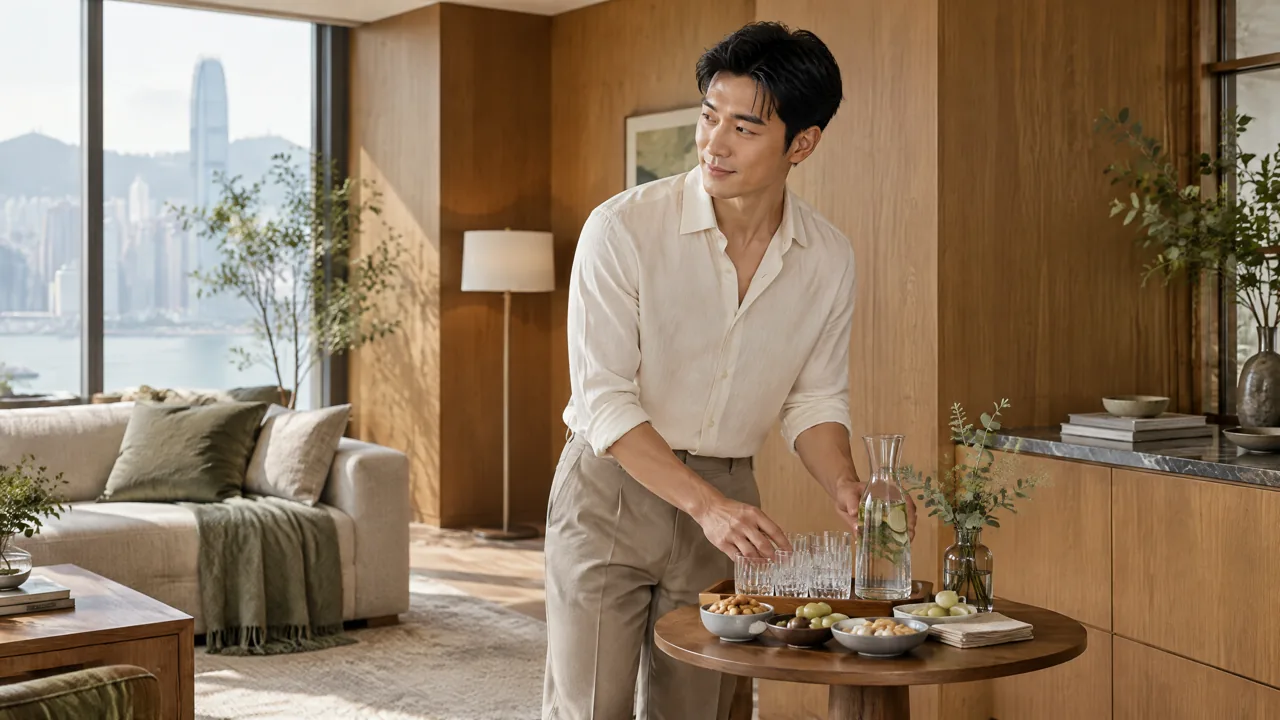
Keep short hair clear of your eyes and finish styling before handling dessert deliveries. Then arrange the table around easy serving, not the tallest display. A host should be able to welcome guests, read labels and replenish plates without repeatedly touching his fringe or reaching across exposed food.
Consider a hypothetical birthday gathering in a Hong Kong flat with a combined living and dining room. The host wants a tidy side profile for photographs, while guests need somewhere to collect dessert. The same narrow passage also leads to the kitchen, so appearance and movement must be planned together.
The useful connection is preparation, not a supposed relationship between hairstyles and food. A manageable haircut reduces grooming interruptions; a workable layout reduces serving interruptions. Start with your hosting duties, then test hair movement, table reach, dietary arrangements and the drinks route before choosing decorative extras.
01
Choose a short-hair shape that leaves your hands free
Short hair is not automatically low-maintenance during hosting. A forward fringe may still fall into your eyes when you bend towards a lower shelf. Before deciding on the finish, rehearse reading a delivery label and lifting an empty tray. Notice whether you instinctively push your hair back after either movement.
For a familiar side part, direct the front away from your sightline rather than building unnecessary height. With a textured crop, check that the longest front pieces stay manageable when you look down. The aim is a shape you can maintain without frequent handling, not a completely different haircut for one afternoon.
The American Academy of Dermatology advises limiting excessive heat, unnecessary brushing and persistent tension on hair [1]. That supports a restrained preparation routine. It does not mean one particular short style suits everyone. Use your usual manageable finish, and discuss unfamiliar styling choices with your hairstylist rather than experimenting while guests are arriving.
If a trim is part of your preparation, explain your actual tasks at the consultation. Mention bending over a serving table and wanting a clear front and side profile. Ask how to recreate the shape yourself. Any proposed perm or colour should follow an individual hair-condition assessment, not a universal event countdown.
02
Finish grooming before dessert cartons enter the room
Separate the grooming area from the receiving area. A bathroom mirror can handle the final hair check; the dining table should remain available for clean food equipment. Keep styling products, combs and used towels away from that table. Do not spray hair products in a food preparation or serving area, even before the display looks finished.
Arrange your preparation around the agreed delivery window. Allow time for hair to dry and for dressing before you expect to receive cartons. If drying is needed, avoid turning the deadline into repeated high-heat passes. Choose a familiar routine that leaves a realistic margin for a doorbell, missing plates or a venue access question.
Hong Kong's Centre for Food Safety identifies clean hands and utensils, separation and safe temperatures among its Five Keys [2]. Apply those principles when changing from personal grooming to food handling. Wash your hands before arranging serving equipment. If you touch your hair during service, step away and wash again before returning to handling food.
In the hypothetical flat, leave a clear landing surface near the kitchen for incoming containers. Do not use the finished dessert display as the unpacking bench. One person can check the order while another greets arrivals, if help is available. Without a helper, keep desserts covered while completing the receiving checks rather than rushing both jobs.
03
Lay out the dessert table from the guest side first
Start with where a guest will stand, collect a plate and leave. In a compact room, placing a table against a wall may preserve circulation. The trade-off is that every serving item must then be reachable from the front. A centrepiece that works on a walk-around table may block access in this arrangement.
Use Dessert Table Catering to frame an enquiry about dessert formats, display equipment and the space available. Ask YumYum to confirm the actual stand dimensions, setup responsibilities and storage requirements before relying on a proposed arrangement. A styled photograph does not establish that guests can reach every portion in your room.
Place plates at the entry end and leave a clear place to set them down while serving. Keep the first collection point away from the entrance door. In the hypothetical gathering, a tall rear stand could provide the visual focus, while frequently chosen portions stay on accessible front platters. Decorative height should not dictate the serving order.
Send the supplier usable information rather than only a colour theme. Include the table's dimensions, the accessible sides and the position of nearby doors. Explain which equipment the venue already provides. Request a layout that distinguishes display items from reserve stock, so a beautiful initial arrangement does not consume the space needed for replenishment.
| Position | Practical purpose | What to test |
|---|---|---|
| Entry end | Collect a plate before choosing | The stack does not obstruct the doorway |
| Front edge | Reach the main serving portions | A plate can rest without touching food |
| Rear display | Provide height and visual focus | Guests need not reach over front desserts |
| Host-side access | Replace trays and remove packaging | The route stays usable during a queue |
Choose display height only after every guest has a workable way to collect a portion.
04
Test reach and labels at the height guests will use
A table can look generous from above and still be awkward at serving height. Test it with empty platters and the actual plates you plan to use. Hold a plate in one hand and try the intended serving tool with the other. If you must stretch over another platter, move the item forward or simplify the arrangement.
Check with guests who may need seated access rather than assuming your own reach represents everyone. Keep a workable approach clear and offer assistance without making it compulsory. For children, agree supervision with their accompanying adult. Do not place attractive portions behind unstable decorations and expect adults to manage repeated reaching across the display.
Position labels beside the relevant item, not hidden behind a stand. Read them from the normal collection position and under the room's evening lighting. A decorative typeface may suit the backdrop but fail on a small ingredient card. Keep the supplier's information intact, and avoid rewriting detailed dietary notes into vague labels such as 'light' or 'healthy'.
This is also a useful second hair check. Bend as you would when replacing a platter and look sideways towards a guest. If the fringe interferes, adjust it away from the food before service begins. Hair preparation and table testing solve different problems, but rehearsing the same movement reveals both without turning grooming into a food-safety guarantee.
05
Resolve dietary requests before designing a shared display
Ask guests privately about dietary requirements while the menu is still being discussed. Record the specific requirement rather than translating it into your own category. A gluten-free request is not interchangeable with vegan or dairy-free. Confirm the guest's needs with them, then pass the relevant details to the supplier without circulating personal information to the whole party.
An enquiry through Gluten-Free Catering can focus on ingredients, preparation, packing and serving arrangements for the identified guest. Ask for written confirmation of what can be provided and any cross-contact limitations. The service name alone does not establish suitability for coeliac disease or address a separate wheat allergy or other dietary requirement.
FARE explains that cross-contact can transfer food proteins in amounts too small to see [3]. It also notes that cooking does not remove food-allergy risk from transferred allergens. A visually separate platter therefore cannot settle the question. Discuss preparation equipment and handling before deciding whether any requested portion belongs on the shared self-service table.
If a separately packed portion is agreed, preserve its label and the confirmed handling arrangement. Do not transfer it onto a decorative communal stand merely to match the theme. Assign a named person to hand it to the intended guest. If the supplier cannot resolve the requirement, tell the guest promptly and discuss an alternative rather than offering reassurance.
A dietary label is information to verify, not permission to move a portion onto any attractive platter.
06
Give drinks their own collection and clearing route
Dessert and drinks create different pauses. Choosing a small cake may take seconds; pouring a drink can occupy both hands and require a stable surface. Putting both tasks at one narrow table edge makes guests wait behind each other. Test whether a separate sideboard can handle drink collection without obstructing the route back to seating.
Explore Drinks Catering when comparing individual containers with a staffed or self-service pouring arrangement. Confirm the available formats, equipment, quantities and any venue requirements directly before ordering. A drinks request should also specify who replenishes supplies and clears containers; neither responsibility follows automatically from beverage delivery.
Keep non-alcoholic choices easy to identify, and ask about guests' preferences rather than treating alcohol as essential to celebration. For hot beverages, check whether the venue can provide an appropriate service arrangement. Do not balance pouring equipment beside fragile dessert stands. Leave a stable collection surface and avoid making guests carry a cup while reaching for food.
Plan the return route as carefully as collection. Used cups and plates should not accumulate where fresh portions are placed. Identify a clearing point away from the dessert queue and assign someone to monitor it. In the hypothetical room, shifting drinks to a sideboard only helps if cupboard doors and the kitchen passage remain accessible.
| Service choice | Space implication | Confirm before ordering |
|---|---|---|
| Individual drink containers | Collection and empty-container space | Storage needs and waste arrangements |
| Shared pouring station | Stable surface and room to pause | Equipment and replenishment responsibility |
| Venue beverage service | A separate collection point may exist | Included drinks, cups and service period |
| Used-cup collection | A return route away from fresh food | Who clears it and where items go |
07
Replenish without leaving reception unattended
Agree which desserts can be displayed and which require controlled storage before service. Follow the supplier's product-specific instructions rather than assuming every sweet tolerates the same conditions. Safe temperature is one of the Centre for Food Safety's Five Keys [2]. An attractive table is not a reason to put the entire order out at once.
Keep reserve portions in their agreed storage location and make them easy for the responsible person to identify. Distinguish reserves for general service from any portions set aside for particular guests. Otherwise a helpful friend may refill the main table using stock intended for later arrivals. A simple allocation note prevents that avoidable mix-up.
Decide who receives late guests while replenishment happens. With two helpers, separate greeting from table maintenance. If you are hosting alone, announce a short serving pause and keep the route clear while changing trays. Do not carry a large platter through a cluster of guests simply because the display needs to look continuously full.
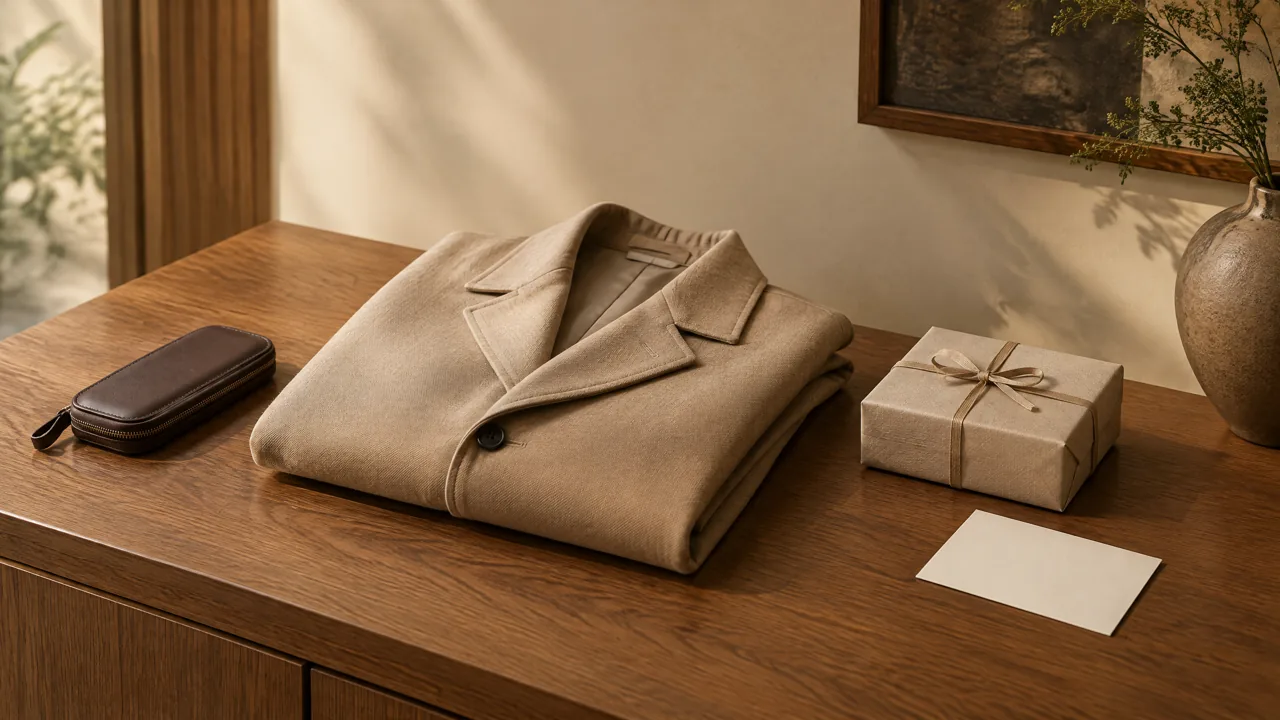
Prepare a short handover note that someone else can understand without asking you to leave a conversation. It should identify reserve storage, serving tools and the clearing point. Keep grooming supplies elsewhere, so a quick mirror break does not share the replenishment surface. Clear roles make the host's appearance easier to maintain because fewer tasks collide.
- Name the person greeting arrivals during each tray change.
- Mark which reserve portions belong to later arrivals or named guests.
- Record the supplier's storage instructions beside the reserve allocation.
- Choose a clearing point that does not double as a fresh-food landing surface.
08
Take host photographs without occupying the serving line
Choose a photograph position before guests start collecting dessert. A nearby wall or the end of the room may show the display without putting people directly in front of it. Test the frame at normal standing height. You want the host's face and hairstyle visible, not a rear stand appearing to grow out of his head.
Check the haircut from the front and the side under the actual lighting. A tidy outline often matters more than extra product applied at the last minute. If you need an adjustment, use a separate mirror area and return with clean hands before handling food. Never make an exposed dessert table the place for a styling touch-up.
Schedule a posed table photograph before active service, with another person supervising any food already displayed. Keep that pause brief and within the agreed handling arrangements. Once service starts, favour photographs away from the collection point. Guests should not need to interrupt a portrait session to ask where the plates or their reserved portions are.
After the first guest wave, review the working arrangement rather than rebuilding everything for another picture. Move an unreadable label, replace a missing tool or clear a blocked return route. Leave the hairstyle alone if it remains comfortable and clear of your eyes. The successful finish is a host who can stay present while guests serve themselves easily.
Sources and useful reading
Continue with hair and grooming
For a separate men’s own-hair consultation: Business Men's Perm
Continue with related occasion and grooming planning: Wedding Catering: Grooming and Corporate Gift Handover
Read our men’s hairstyling background: Vit So and the Canvas Texture studio
Prepare the host and the serving space together
Rehearse your hairstyle and table layout before the gathering. Bring the supplier a measured space, clear dietary questions and named service responsibilities, then confirm the practical details in writing.
Canvas Texture · WhatsAppFrequently asked questions
Do I need a new haircut to host a dessert gathering?
No. Test your current style while looking down and turning towards guests. A familiar shape that stays clear of your eyes may be enough. If you want a trim, explain the hosting movements and ask your hairstylist how to maintain the result yourself.
Can the dessert table also hold drinks in a small flat?
Possibly, but test collection with a plate in one hand. Separate the pouring area from dessert reach, leave a stable place to set items down and keep used containers away from fresh food. If the combined setup blocks the passage, reduce the display or move drinks elsewhere.
Is a separate gluten-free platter enough for a guest's dietary request?
Not by itself. Confirm the guest's exact requirement and ask the supplier about ingredients, preparation, packing and cross-contact limitations. Preserve any agreed separate handling arrangement. Do not assume a label or an unused serving tool resolves risks arising earlier in preparation.
What should I send with a dessert-table enquiry?
Provide guest numbers, serving times, table dimensions, accessible sides and storage availability. Add dietary requirements, the intended drinks arrangement and who will handle setup, replenishment and clearing. Ask for written confirmation of the proposed equipment and responsibilities before planning around them.
Related journal articles
Hong Kong Catering Service: A Host’s Grooming Plan
A host’s hairstyle has done its job when it stops competing with the welcome.
Catering Packages: Compare Food and Grooming Budgets
Editorial principle: protect the meal and the host's preparation time before spending on extra variety or a more elaborate look.
Office Lunch Catering: Keep Hair Products off Food Tables
A prepared host gives hair products a home before giving lunch a place on the table.

