
Anniversary Cake: Comparing Couple Hairstyles and Flavours
Choose an anniversary cake around what both partners enjoy eating, and plan hairstyles around comfort and the photographs you want. The two decisions can share a mood without sharing a theme. A coordinated table does not require identical haircuts, matching frosting colours or a flavour chosen purely for its appearance.
For a Hong Kong dinner, the practical difficulty is often fitting preparation around work, transport and a small dining table. One partner may want a polished portrait while the other prefers a relaxed evening. Dessert also needs a place in the meal, rather than becoming another obligation after several courses.
Canvas Texture’s grooming perspective starts with keeping both faces visible and the host free to receive guests. This guide separates personal preferences from shared presentation. Use the comparisons to choose a cake direction, agree on a comfortable couple photograph and prepare questions before confirming the dinner arrangements.
01
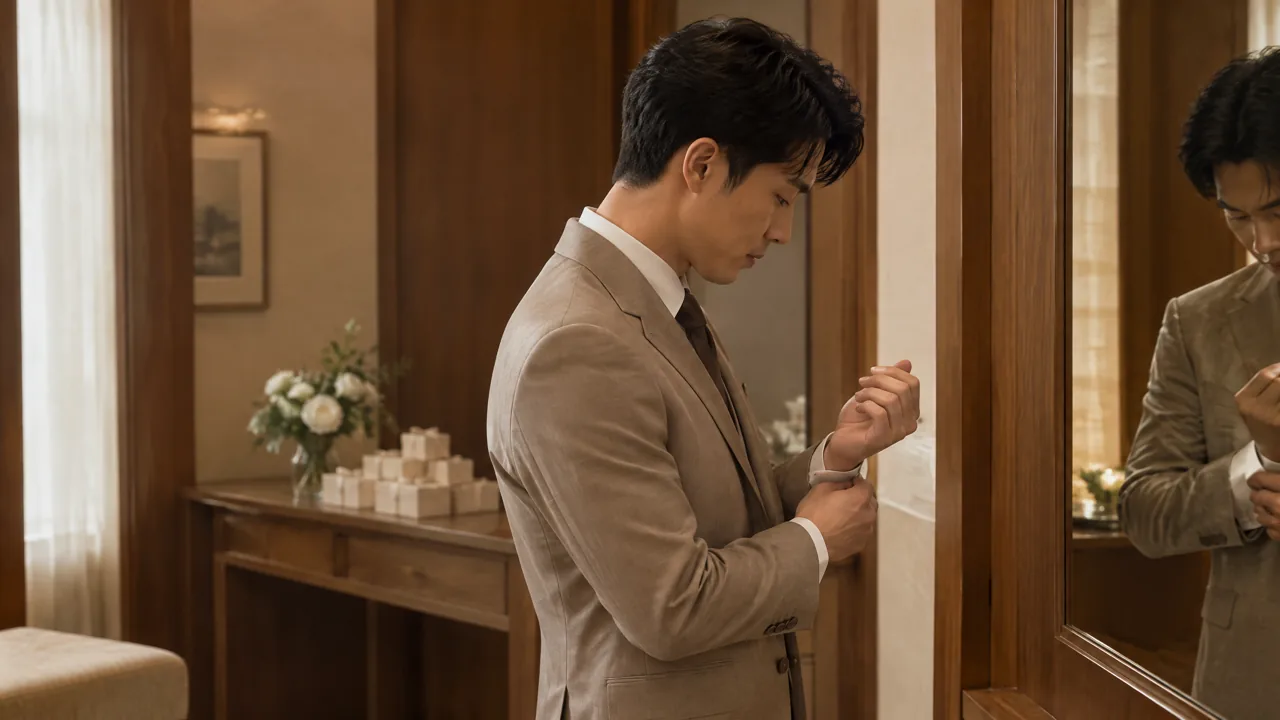
Agree on the evening before choosing matching details
Start by deciding whether the cake marks a private moment or serves a wider gathering. A dinner for two can prioritise a shared favourite and leftovers. A meal with relatives requires actual guest preferences and a serving plan. Neither arrangement automatically calls for elaborate decoration or more formal hair.
Ask each partner to name one detail worth protecting. It might be keeping a familiar fringe, avoiding an unwanted flavour or including a remembered colour. Then identify flexible details. This prevents the person organising the evening from quietly treating their own preferences as the couple’s agreed plan.
Keep eating choices separate from visual coordination. Chocolate does not imply a slick hairstyle, and fruit does not require loose waves. A shirt colour or modest table accent can connect the presentation instead. That leaves both partners free to wear hair that suits their existing cut and comfort.
Use the comparison below to establish which decisions need agreement. Shared decisions affect both people’s evening; individual decisions mainly affect the wearer. This distinction is particularly useful when one partner enjoys styling and the other wants minimal preparation. Agree on the photograph rather than prescribing identical effort.
| Decision | Agree together | Keep individual |
|---|---|---|
| Cake flavour | Ingredients and flavours both will eat | Personal slice size |
| Couple portrait | Timing, location and preferred framing | Hair texture and parting |
| Table presentation | One accent and a clear serving area | Clothing details within that plan |
| Preparation | Who receives the cake and greets guests | Comfortable styling routine |
Editorial takeaway: coordinate the occasion, not every detail of the two people celebrating it.
02
Compare two hair silhouettes in the actual photo frame
Test the likely photograph before changing either hairstyle. Stand or sit beside each other at the intended camera height. Check the front view and a slight turn, since these reveal different outlines. A fringe that works alone may obscure an eye when the wearer leans towards their partner.
Compare visibility rather than height. Two hairstyles do not need equal volume to look balanced. Notice whether either person disappears behind a high collar, a forward fringe or the cake. Move the seats or adjust the camera first. A composition problem rarely justifies an unwanted haircut for one evening.
The American Academy of Dermatology advises limiting excessive heat and brushing, and avoiding continuous tension from tightly pulled styles [1]. Apply that restraint to anniversary preparation. Repeatedly restyling for small photographic differences adds handling without solving the dinner plan. Choose a familiar finish that feels comfortable throughout the meal.
If a new perm or colour is part of the celebration, discuss hair condition and the desired result with a stylist. Do not assume a universal waiting period or guaranteed outcome. For a straightforward dinner portrait, a clear side outline and a fringe kept away from the eyes may be sufficient.
03
Assess chocolate by the whole slice, not its dark finish
A chocolate direction is worth considering when both partners enjoy cocoa flavours. However, a dark exterior reveals little about the full slice. Sponge, filling and coating contribute separately to sweetness and texture. Ask what sits between the layers rather than treating the visible finish as a reliable taste description.
YumYum’s Chocolate Cake page can help frame a discussion about layered presentation and cocoa-led decoration. Confirm the available recipe, filling and portion yield before choosing a design. Use the reference to communicate what appeals visually, then ask whether those details suit the cake you intend to order.
Place the slice within the meal. After a substantial dinner, guests may prefer a smaller tasting portion rather than another full dessert. That is a preference to ask about, not an assumption about chocolate. If the restaurant already serves dessert, decide whether cake replaces it or accompanies a deliberately smaller course.
Keep the grooming comparison practical. A glossy cake finish and shiny hair can each reflect a strong light, but neither requires changing the other. Test the camera angle if glare hides detail. Do not keep adding styling product merely to create a supposed match with the dessert surface.
04
Clarify what fruit cake means before comparing flavours
The name fruit cake can describe quite different expectations. One partner may imagine fruit above a light sponge; another may expect dried fruit within a denser cake. Settle that difference before discussing colour or decoration. Otherwise, both can approve the same name while anticipating entirely different desserts at the table.
Use the Fruit Cake page to discuss visible fruit arrangements and the overall presentation you prefer. Ask which fruit, sponge and filling are actually available for your date. A photograph alone cannot establish the recipe, seasonal substitutions or whether the pictured arrangement can be reproduced for your requested size.
Compare sweetness, texture and ingredients separately. Fruit on top does not prove the whole cake tastes less sweet or meets a dietary requirement. Ask about preparations beneath the fruit as well as the sponge. If anyone has an allergy or dietary restriction, request specific ingredient and shared-equipment information before committing.
For the couple portrait, check whether a high fruit arrangement blocks faces when the cake sits between you. Reposition the cake rather than pushing both partners into an awkward pose. A lower camera angle may emphasise decoration but hide expressions. Decide whether the image is principally a dessert detail or a portrait.
05
Translate a shared memory into one clear cake detail
An anniversary reference works best when it communicates a recognisable detail, not an entire history. Choose one element both partners value, such as a restrained colour from the wedding. Explain why it matters in the enquiry. A small cake should not be expected to reproduce every feature of a larger celebration.
The Anniversary Cake page is useful for exploring how a celebration design might fit a smaller dinner. Confirm the inscription, dimensions and decoration with the bakery before ordering. Keep the flavour decision explicit, since an anniversary theme describes the occasion rather than what will be inside the cake.
In a hypothetical fifth-anniversary dinner, the couple might retain a blue accent from their wedding but choose their current favourite flavour. Their hair could also remain recognisably their own, instead of recreating the wedding photograph. The connection comes from a chosen memory, not a requirement to reproduce younger versions of themselves.
Check sentimental details together unless the inscription is an agreed surprise. Names, punctuation and the anniversary number deserve a written proof. Keep long messages on a separate card if the cake surface is limited. This protects the meaning without filling the centrepiece with decoration that complicates serving or obscures the design.
Editorial takeaway: preserve the detail that carries the memory, then adapt everything that must work at tonight’s table.
06
Give the cake a serving footprint on a small table
Measure the space available for the cake board, not just the edible cake. Include plates and a clear place for serving utensils. At a compact Hong Kong dining table, a centrepiece can compete with dishes already arriving. Decide whether cake appears only after dinner instead of reserving its position throughout the meal.
Ask the restaurant about outside-cake arrangements before placing the bakery order. Confirm any charge, storage availability and who will portion it. These are venue-specific questions, not standard entitlements. If storage cannot be arranged, discuss an alternative handover or celebration plan rather than assuming the cake can wait anywhere until dessert.
Assign receiving and serving roles so both partners can finish grooming without interruption. The person checking the cake should not also be expected to pose immediately while holding packaging. Keep the box away from the photograph until its contents have been checked. Then clear the table before bringing out the centrepiece.
The table below compares display choices rather than recommending a fixed cake size. A brief portrait and a long dinner have different space demands. Choose the arrangement first, then ask the bakery about suitable dimensions and yield. Avoid ordering extra height solely because a reference image looks impressive on screen.
| Arrangement | Practical advantage | Check before choosing |
|---|---|---|
| Cake appears after dinner | Meal dishes retain their space | Storage and serving handover |
| Separate display surface | Dining table stays clear | Stable surface and suitable storage timing |
| Cake between the couple | Simple portrait composition | Board footprint and face visibility |
| Slices served after a brief photo | Guests can eat without a crowded centre | Portion yield and who serves |
07
Finish grooming before switching to cake handling
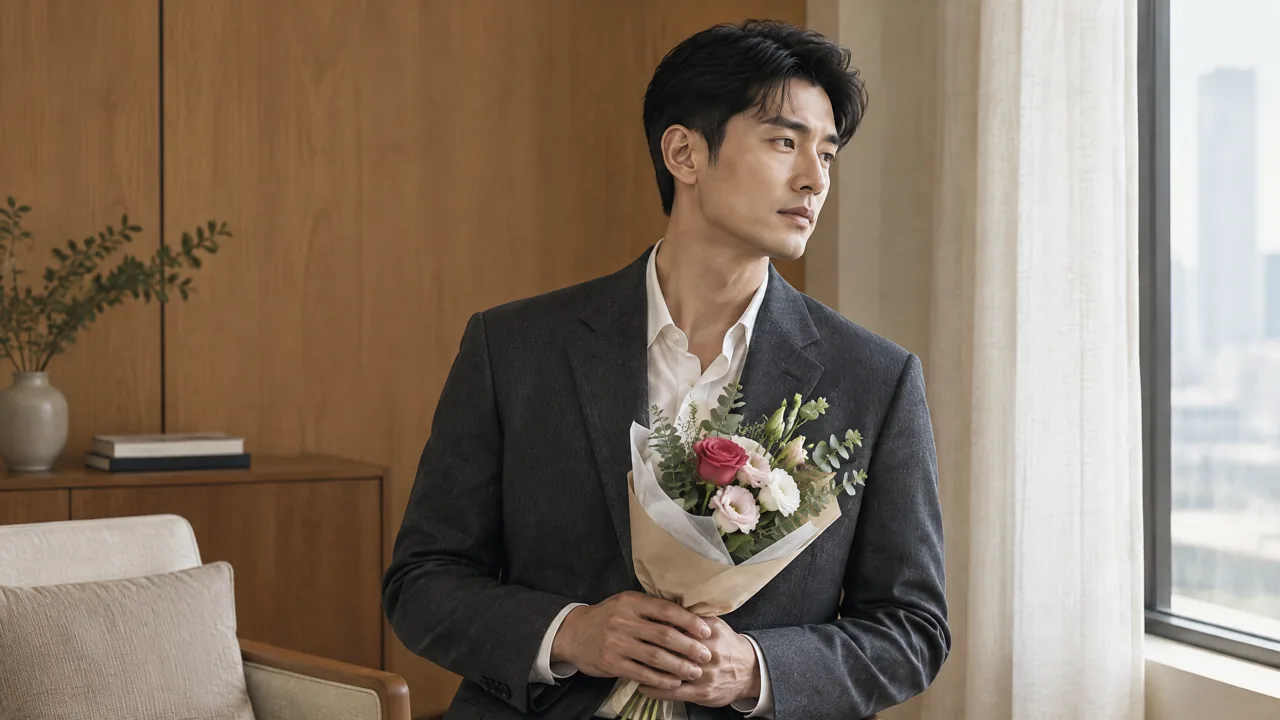
Complete hair preparation in a separate space before receiving or serving the cake. Keep styling sprays, loose hair and grooming tools away from food preparation areas. If the host must manage packaging and plates, choose a fringe arrangement that does not need constant adjustment. This is about an orderly handover, not matching dessert aesthetics.
Hong Kong’s Centre for Food Safety lists clean hands and utensils, food separation and safe temperatures among its Five Keys [2]. Keep the cake-handling space clean and follow the bakery’s storage instructions for the actual product. The general guidance does not establish a universal display time for every filling or finish.
If hair needs a final adjustment, step away from the food and wash hands before returning to serving. Leave combs and product containers outside the dining setup. Designating a separate grooming spot also means the other partner can check their appearance without moving cake packaging or borrowing the serving surface for personal items.
For a couple who bake together before dinner, follow the workshop instructor’s hair-restraint or head-covering requirements. Those rules take priority over keeping a portrait style intact during the activity. Plan photographs after the instructed food-handling stage, then adjust hair elsewhere. Do not spray products beside ingredients to restore the original finish.
- Assign one person to receive the cake and check the written order details.
- Reserve a grooming spot away from food, packaging and serving utensils.
- Ask for product-specific storage instructions before arranging the photo moment.
- Clear a stable serving area before bringing the cake to the table.
08
Resolve the last disagreement with a written dinner brief
When preferences conflict, identify whether the disagreement concerns eating, appearance or workload. A flavour compromise does not solve an unequal preparation schedule. Likewise, asking one partner to change their hairstyle will not make a disliked filling appealing. Solve each issue within its own category before returning to the shared presentation.
For flavour, list what both will willingly eat and what either wants excluded. For the photograph, agree on a comfortable pose and one suitable location. For workload, name who collects, receives and serves. These short decisions create a more useful brief than a mood board that leaves essential responsibilities unassigned.
Send the bakery the date, requested flavour, intended portions, design reference and inscription in one clear message. Ask for written confirmation of the agreed details, total charges and logistics. Do not assume delivery is free or guaranteed for your preferred time. Keep the restaurant’s separate storage and serving agreement alongside that confirmation.
Before the evening, check the plan with both partners once rather than reopening every visual decision. The aim is a dessert you want to share and a photograph in which you feel like yourselves. A workable anniversary table leaves room for conversation; grooming and cake preparation should support that experience rather than dominate it.
Sources and useful reading
Continue with hair and grooming
For a separate men’s own-hair consultation: Groom Hairstyle Perm HK
Continue with related occasion and grooming planning: French Macarons: Hair and Seasonal Dessert Sharing
Read our men’s hairstyling background: Vit So and the Canvas Texture studio
Prepare a couple-first anniversary brief
Agree on the flavour, one meaningful design detail and a comfortable photo moment. Confirm the bakery and venue arrangements in writing, then keep grooming preparation separate from cake handling.
Canvas Texture · WhatsAppFrequently asked questions
Should our hairstyles match the cake’s colour or finish?
No. Choose hair around the existing cut, comfort and face visibility. A table accent can provide visual continuity without requiring either partner to change their hair. Test the camera angle before adjusting a familiar style.
What should we ask when one partner expects fresh fruit and the other expects dried fruit cake?
Clarify the sponge, filling, fruit type and whether fruit sits on top or inside. Share a reference for appearance, but request a written recipe description. Do not rely on the product name to resolve the difference.
Can we bring the cake to a restaurant before dinner starts?
Ask the venue about outside cakes, any charges, suitable storage and who will serve it. Then coordinate the handover with the bakery’s product-specific instructions. Do not assume the venue can store the cake or accept it at any time.
How can we keep the anniversary photo relaxed if one partner dislikes styling?
Agree on a brief photo moment and let each partner keep a comfortable hairstyle. Clear the foreground, keep faces visible and use a pose both accept. Moving the cake or camera is often easier than asking for another round of grooming.
Related journal articles
Hong Kong Catering Service: A Host’s Grooming Plan
A host’s hairstyle has done its job when it stops competing with the welcome.
Catering Packages: Compare Food and Grooming Budgets
Editorial principle: protect the meal and the host's preparation time before spending on extra variety or a more elaborate look.
Office Lunch Catering: Keep Hair Products off Food Tables
A prepared host gives hair products a home before giving lunch a place on the table.

