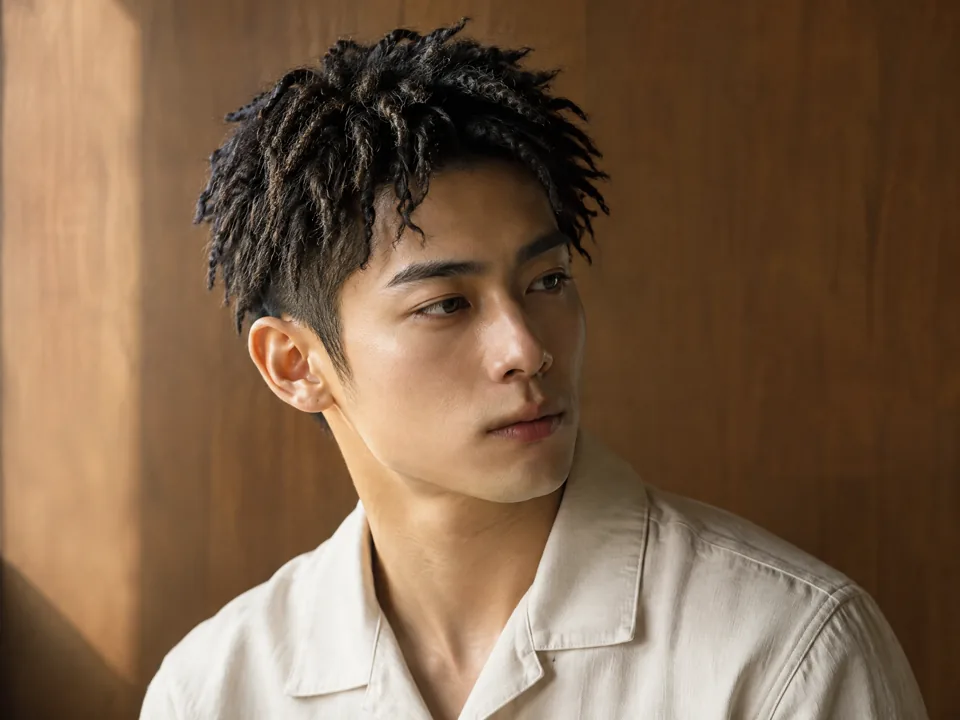
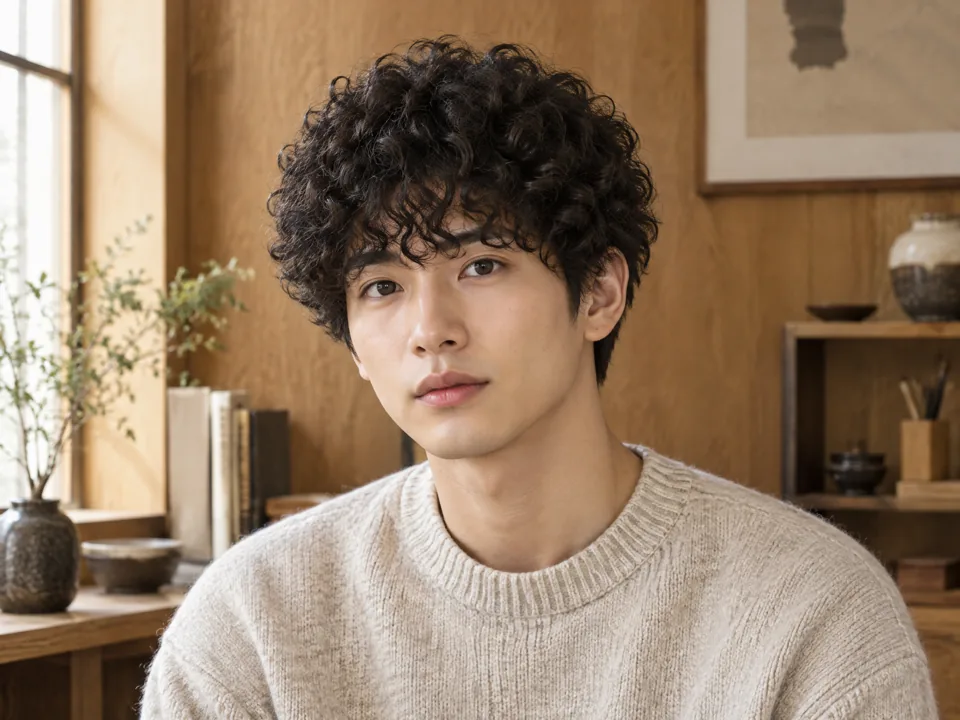
Japanese Perm Hong Kong: Work with Your Natural Hair Direction
Start a perm enquiry with the way your own hair falls, rather than a technique name. A fringe that turns sideways, a crown that separates and sides that project outwards create different styling questions. Adding wave may change the outline, but it does not move the origins of your hair. The useful first decision is where you want movement and where you want restraint. That gives a stylist something more precise to assess than a request for an effortless look.
Digital, Japanese and micro-curl labels can help organise a conversation, but they are not interchangeable promises. One may describe equipment, another an aesthetic, and another the scale of texture in a shorter style. Ask what the salon means by its own service name. Then compare that explanation with your current length, previous chemical services and preferred finish. A plan that depends on drying and arranging the fringe may not suit someone who wants to leave home without doing either.
Scalp comfort and hair condition belong in that first conversation, not at the end of the booking. Disclose irritation, previous reactions and any areas that seem unusually fragile. A cosmetic consultation can consider whether to postpone a perm, but cannot diagnose a scalp disorder or unexplained hair loss. This guide helps you prepare an own-hair outline, compare service enquiries and identify questions that need a clinician. It does not establish which chemical process is safe or suitable for you.
01
1. Map the directions your hair already takes
Observe your hair on an ordinary wash day, using your usual drying routine. Take front, side and back photographs before adding a strong holding product. Note where the fringe turns, where the crown opens and which side looks fuller. Repeat the observation when the hair is fully dry; a wet combed shape is not the same as the outline you wear outside. These photographs are styling references, not evidence from which anyone should diagnose scalp health or the cause of reduced density.
Separate a direction issue from a length or weight issue. A heavy fringe falling into your eyes is not necessarily asking for more curl. Short sides projecting away from the head may need a different cutting balance rather than texture everywhere. Ask the stylist to explain which part of your concern could be addressed by the haircut alone. This matters because extra movement can also make a silhouette wider. More visible texture is not automatically a better answer to every area that refuses to lie flat.
Illustrative scenario: someone wants a centre-parted fringe, but their unstyled hair consistently sweeps towards one side. The useful question is not whether a perm can erase that pattern. It is whether a slightly offset part and controlled fringe movement could create an acceptable outline. Compare that compromise with the effort needed to arrange a symmetrical part each morning. A reference image can set a direction, while the existing fall of the hair sets the practical starting point for the consultation.
A useful hair map shows where to negotiate with natural direction, not where to promise its disappearance.
02
2. Turn service labels into comparable questions
A Digital Perm enquiry should establish whether the proposed service uses heated equipment and why that approach is being considered. Do not infer suitability, comfort or a particular dry finish from the word digital alone. For related service information, the digital perm hong kong page provides a starting point for questions. DT HUB and Canvas Texture share a website owner, so this is connected reading rather than an independent review. Confirm the actual proposal directly with the provider you are considering.
Japanese can describe a visual direction in a service menu, such as a soft outline or understated movement. It does not identify one universal formula, product origin or standard of gentleness. Ask the stylist to translate the label into visible choices: the sections involved, the intended wave scale and the finishing method. Your hair should be assessed individually rather than through an assumption about ethnicity. A style associated with a country is a reference category, not proof that a process suits every person from that region.
Micro-curl raises a different question: how much texture is intended within the available length? On a shorter outline, even modest changes in movement can affect the fringe and side profile. Ask whether the service concerns the whole top, selected areas or another arrangement. None of these labels tells you the appointment duration, total cost or maintenance burden on its own. Compare the proposed work and its limitations, not just the menu headings. The table below is a conversation guide, not a technical recommendation.
| Enquiry concept | Clarify with the stylist | Do not assume |
|---|---|---|
| Digital | Whether heated equipment is proposed and why | A fixed lifespan or automatic air-dry finish |
| Japanese | Which outline and movement the label describes | One formula or guaranteed gentle processing |
| Micro-curl | The texture scale and areas included | Invisible curls or no daily styling |
| Cut and styling only | What length and weight changes could address | That chemical processing is always necessary |
03
3. Define a soft outline without demanding identical curls
A natural-looking outline needs an explicit definition. You might want the fringe to bend away from the eyes while the sides remain quiet. Someone else may prefer visible waves throughout the top and a looser back. Bring a reference image, then point to the feature you actually want. Also identify something you dislike, such as extra width beside the temples. This prevents a photograph from becoming an all-or-nothing instruction when its length, styling or existing texture differs from yours.
When exploring japanese perm hong kong, ask how the proposed movement would sit within your current haircut. Discuss the front and side views separately. An attractive fringe bend does not establish that the back will have the outline you want. Request an explanation of how cutting and texture would work together, including any length that needs to be retained. The destination page can introduce the service, but the consultation must establish your individual plan rather than reproduce an image unquestioningly.
Decide how much variation you can accept. A soft, less uniform look can involve differences between sections rather than a row of matching curls. That may appeal if you enjoy flexible styling, but frustrate you if you want a highly consistent arrangement without adjustment. Ask to distinguish the intended finished shape from the simpler home finish. The decision consequence is practical: you may choose a less dramatic outline that fits your routine, or keep more length while discussing a future option.
04
4. Keep men's micro-curl enquiries focused on the whole silhouette
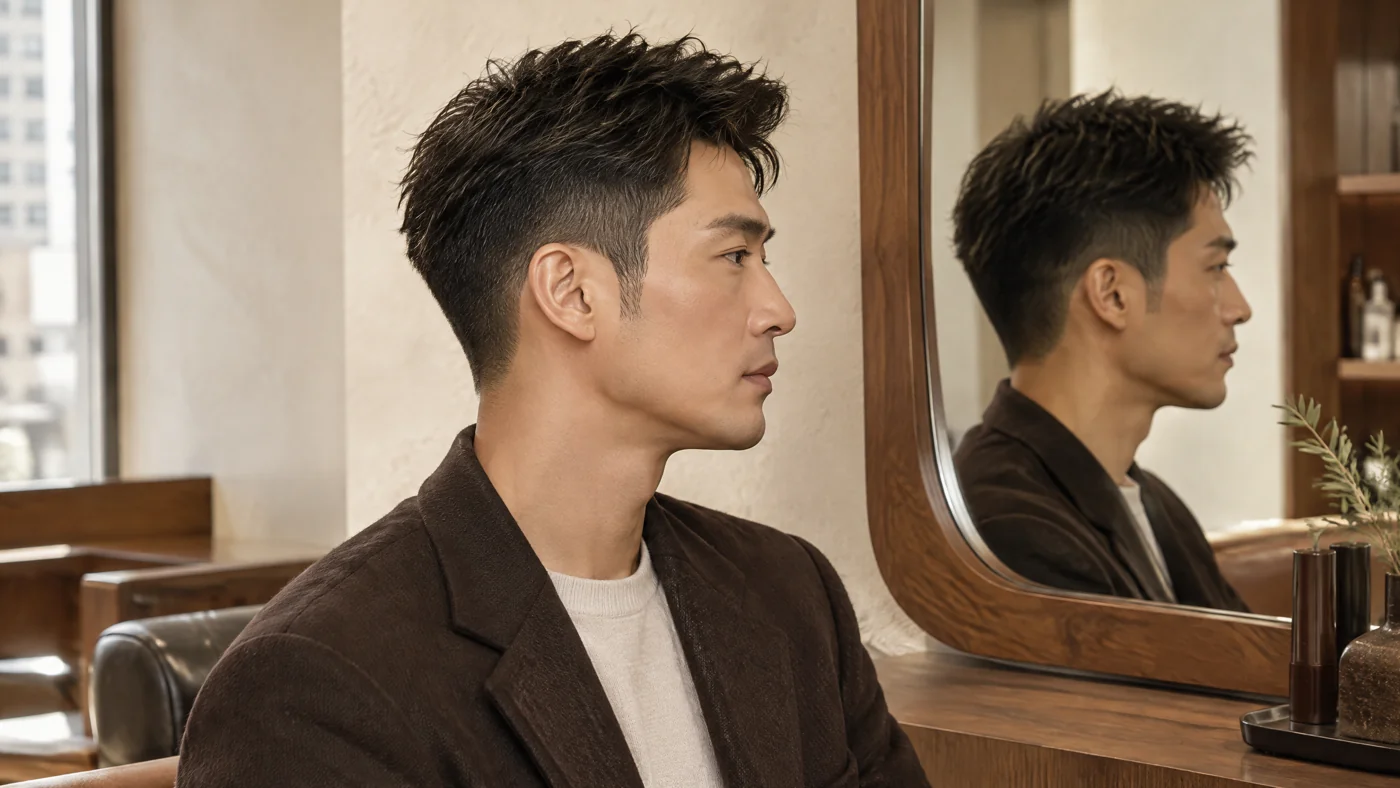
Shorter men's styles need a joined-up outline rather than an isolated curly top. Consider how the fringe meets the temples, how the top sits above the sides and whether the crown remains balanced. A large difference between textured length and closely cut areas may be intentional, but it should be discussed. Ask what happens to that relationship as the haircut grows. Planning the transition matters as much as choosing a curl reference, especially if you prefer to stretch the time between haircuts.
The mens perm hong kong service page can support an enquiry about shorter texture, not a guarantee of a particular result. Describe the smallest change you would consider worthwhile. That might be a fringe bend, some separation through the top or a softer-looking outline. Ask whether that goal warrants a perm now or a cutting and styling adjustment first. Also explain if you wear a helmet or hat regularly; the plan should account for your routine without promising that the shape will remain undisturbed.
Illustrative scenario: a man likes a textured crop in photographs but dislikes height above his forehead. Adding movement everywhere could conflict with his priority, even if the curl itself looks attractive. He could ask about a restrained outline and compare it with a cut-only trial before deciding. Another man may accept more volume because he enjoys arranging his hair each morning. Neither choice is inherently better. The useful distinction is whether the complete silhouette matches the wearer, rather than whether the service sounds subtle.
05
5. Make discomfort and chemical history a separate decision gate
List previous colouring, bleaching, straightening and perming, including approximate dates and products where known. Say which parts were treated, because newly grown hair and older lengths may have different histories. Do not describe a service as harmless simply because it was called natural or gentle. The American Academy of Dermatology notes that colouring and perming can leave hair dry and brittle, and advises following product directions [1]. Ask what your history changes about the proposal, including whether the appropriate decision is not to proceed.
Tell the stylist about current itching, soreness, broken skin or earlier reactions before any chemical service begins. If a product causes stinging or burning, alert them immediately so processing stops and the product is rinsed away; seek appropriate medical advice [1]. Do not accept extra discomfort as the price of achieving a stronger curl. Persistent symptoms or uncertainty about a previous reaction warrant clinician evaluation before deciding on further chemical work. A salon observation or cosmetic test cannot provide a medical diagnosis or guarantee that no reaction will occur.
Keep unexplained shedding or changing density separate from the desire for a fuller outline. Texture can change appearance, but it does not establish or treat the cause of hair loss. The NHS advises speaking to a doctor about the cause before considering a commercial hair clinic [2]. A styling discussion can continue around your preferences, while medical questions go to an appropriate clinician. Do not stop prescribed treatment to make a booking easier; discuss any concerns with the clinician responsible for it.
A styling plan can wait; unexplained discomfort should not be edited out of the consultation.
06
6. Check the home routine before accepting the finished look
Ask for a home routine that starts where your actual morning starts. Do you usually wash before work, refresh yesterday's style or let your hair dry without arranging it? Tell the stylist which tools you own and which steps you will not use. A finish created with careful sectioning and drying may look different from an unattended air-dry result. Request a distinction between the simplest workable routine and an optional polished finish. That difference is more informative than a general description of low maintenance.
Before agreeing to a perm, ask what aftercare instructions apply to the actual products and process proposed. Clarify washing, drying, brushing and any restrictions, rather than borrowing a universal timetable from another service. Request written instructions and an explanation of any recommended purchase. You should understand its purpose and whether it is optional. For drying, the AAD recommends avoiding excessive heat and keeping heat settings low [1]. Do not assume that using hotter air or more product will correct a result you find difficult to manage.
Ask how to review the outline once you have tried the agreed routine at home. The next conversation should distinguish unfamiliar styling, haircut balance, hair condition and dissatisfaction with the movement. Keep simple notes and photographs in similar lighting, rather than judging every change from a different angle. Do not immediately request another chemical service as a correction. A fresh assessment should come first, especially if the hair feels brittle or the scalp is uncomfortable. Establish the provider's review arrangements before booking, without assuming a free adjustment.
07
7. Bring a decision worksheet, not just a saved photograph
Prepare a short brief with one main objective, one firm boundary and your realistic daily routine. For example, the objective could be movement through the fringe, while the boundary is avoiding extra width at the sides. Add the treatment history and any scalp concerns separately so they do not get lost among style references. The worksheet below records information you can bring and answers you still need. It is designed to support a discussion, not to select rods, products or processing conditions yourself.
Ask for a written quotation based on the agreed plan. Clarify whether consultation, cutting, preparation, finishing and aftercare products are included or charged separately. Ask what would happen if the in-person assessment changes the proposal, and how any additional cost would be approved. Confirm cancellation and review arrangements directly with the provider. There is no need to compare headline prices before understanding the scope. Two similarly named services may involve different work, and a smaller intervention may suit your priorities better than the most comprehensive option.
End the consultation by restating what you have agreed in your own words. Include the outline, daily steps, limitations and any reason to postpone. If the explanation remains unclear, take time to decide rather than treating a service enquiry as an obligation to proceed. You may choose a haircut first, retain length for a later discussion or seek medical advice about discomfort. A good preparation process leaves room for those outcomes. The aim is a considered decision about your own hair, not merely a booking under the right label.
| Decision area | Bring or describe | Ask before proceeding |
|---|---|---|
| Natural direction | Unstyled front, side and back photographs | Which changes need cutting rather than texture? |
| Desired outline | One priority and one unwanted feature | What compromise is realistic at this length? |
| Hair and scalp history | Previous services, symptoms and known reactions | Should assessment or medical advice come first? |
| Daily routine | Current tools and steps you will actually use | What differs between home and salon finishes? |
| Scope and terms | Questions about inclusions and later review | How are changes and additional costs approved? |
- Choose a reference feature, not an obligation to copy the whole photograph.
- Identify where you want movement and where you want a restrained outline.
- Disclose discomfort and chemical history before discussing processing.
- Request product-specific aftercare and a realistic home demonstration.
- Keep the option to postpone or choose cutting and styling only.
Sources and useful reading
Continue with hair and grooming
If your question concerns styling your own men’s hair, continue with: Korean Men's Perm
Read a related decision guide: Kwun Tong Hair Salon: Questions Before a First Visit
Read our men’s styling background: Vit So and the Canvas Texture studio
Discuss an outline for your own hair
For a men's own-hair styling consultation, contact Canvas Texture at its Hollywood Road workshop. Bring your natural-direction photographs, outline priorities and current routine. The discussion concerns your existing hair and styling options; it is not medical care, wig sales or a booking made on behalf of DT HUB.
Canvas Texture · WhatsAppFrequently asked questions
Are digital and Japanese perms the same thing?
Not necessarily. Digital commonly refers to heated equipment, while Japanese may describe an aesthetic or a salon's service category. Ask what each term means in the actual proposal. The labels alone do not establish products, suitability, maintenance or results.
Can a perm permanently change my natural parting?
A perm can change movement along treated hair, but it does not relocate where hair grows from the scalp. Discuss an outline that works with your existing direction, including how much daily arranging a different part would require.
Does micro-curl mean the result will be almost invisible?
No. Ask about the intended texture scale, sections involved and finished silhouette. On short hair, movement can noticeably change width or height. A service name cannot guarantee subtlety or eliminate home styling.
What should I do if my scalp is already itchy or sore?
Disclose it before booking chemical work. Persistent discomfort, broken skin or concerns about earlier reactions should be evaluated by an appropriate clinician before proceeding. Do not use a salon consultation as a diagnosis or endure burning during a service.
Should I choose a perm to address new hair thinning?
Speak to a doctor about unexplained thinning or shedding first. A change in texture is an appearance choice, not treatment for the cause of hair loss. A stylist can discuss an own-hair outline without claiming to diagnose or restore hair growth.
Related journal articles
Kwun Tong Hair Salon: Questions Before a First Visit
Choose the appointment you can understand and the hairstyle you can maintain, not just the photograph you admire.
Haircut Kwun Tong: A Separate Brief for Every Family Member
Share the booking request, but give every person a separate say in the haircut.
Women's Haircut Kwun Tong: Choose the Outline Before Colour
The most useful colour reference is one that still makes sense after the length you want removed has gone.