
Haircut, wash cut and blow dry: choosing the right family appointment
Choose a family hair appointment by the change each person needs, not by a service name that sounds comprehensive. Cutting changes length and shape; washing and drying can refresh an existing outline without removing hair. A child's appointment also needs an age and comfort discussion. These are separate decisions, even when everyone hopes to visit on the same day.
Start with one practical goal per person. An adult may want the sides to sit more neatly around glasses. Another may want a temporary finish before dinner, with no cutting at all. A child may need a clearer fringe while keeping enough length for a school ponytail. Combining those requests into a single instruction such as tidy everyone up loses important boundaries.
This guide explains how to turn those everyday needs into a clear enquiry. It separates a lasting change to the cut from a temporary styled finish, then considers children's preferences and visit arrangements. The examples are hypothetical planning situations, not client accounts. Published service descriptions provide a starting point; inclusions, suitability and appointment arrangements still need agreement before anyone travels.
01
Choose the service by what actually needs changing
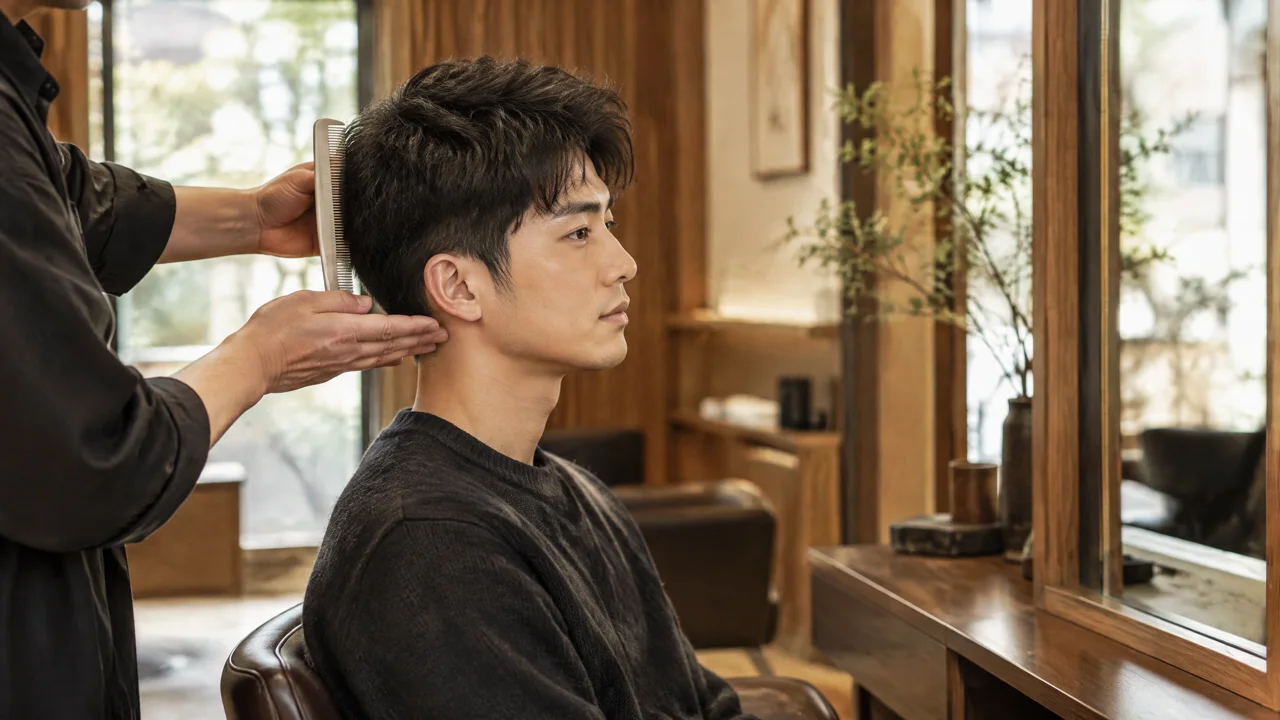
Look at the hair in its usual dry state before choosing an appointment. Is the problem extra length, an outline that no longer sits as intended, or a finish you want for one occasion? Hair falling into the eyes needs a length discussion. Hair that already has a useful shape but needs arranging for photographs raises a different question.
Vit So's haircut service overview separates cutting from colour, texture and cosmetic care. That distinction helps when a reference contains several changes at once. Identify the silhouette you want before deciding whether its shade or movement also matters. A photograph of shorter, waved, lighter hair does not make all three changes part of a cutting appointment.
A trim and a restyle also need different explanations. Tidying the ends while preserving the existing outline is not the same as changing the balance between the crown, fringe and sides. Instead of relying on either label, describe what must remain recognisable. Someone growing out a short cut may accept untidy edges for a while to preserve useful length.
Consider this illustrative situation: an adult wants a neater neckline but likes the longer top. Asking for short hair could invite a broader change than intended. Asking to tidy the neckline, retain the top and discuss the ear area gives the conversation a boundary. The cutting method remains something to assess, not something the reference photograph establishes.
| Your priority | Service direction to discuss | Boundary to make explicit |
|---|---|---|
| Remove excess length or change the outline | Cutting | Areas to shorten and length to preserve |
| Refresh a useful existing cut | Washing and drying without cutting | No fringe trim or other cutting unless separately agreed |
| Change both the cut and its finish | Washing, cutting and finishing | Cutting boundaries and the desired temporary finish |
| Tidy a child's hair | Children's haircut enquiry | Exact age, practical length and support questions |
02
Define length with landmarks, not just a number
A request to remove two centimetres says little about the shape you need afterwards. Use landmarks as well: above the eyebrows, covering part of the ear, touching the collar or reaching the shoulders. Say whether you mean the hair's normal dry position. Waves, curls and a strong growth direction can make stretched length a poor guide to everyday appearance.
Discuss the front, sides and back separately. Keeping a longer back does not automatically keep face-framing pieces inside a ponytail. Shorter sides may sit more easily around some glasses but expose more of the ear. Leaving more weight can preserve a substantial end line, while removing it changes the silhouette. These are trade-offs to describe rather than reasons to demand a particular technique.
Bring current front, side and back photographs taken with the hair worn normally. A reference should show the feature you like, but your own photographs show the starting point. Note whether the reference depends on brushed volume or carefully arranged curls. Ask which part comes from the cut and which would require styling beyond your usual routine.
In a hypothetical consultation, someone asks for a fuller-looking top but wants no morning styling. A heavily lifted reference may conflict with that routine. The useful discussion is whether the proposed cut can support a shape they like with their usual drying method. Keeping the styling commitment visible prevents an attractive appointment finish from becoming an unrealistic daily instruction.
The most useful length instruction describes what the hair must still do after it has been cut.
03
Make children's hair choices practical without removing their voice
For a child, start with the task the haircut needs to solve. Hair may obstruct reading, catch around glasses or take too long to gather before school. Ask the child which part bothers them and which part they like. A practical goal can leave room for a familiar shape, rather than treating every comfort problem as a reason for a much shorter cut.
Translate school requirements into visible boundaries. Bring the actual wording about brows, ears, collars or tying hair, and separate compulsory rules from family preferences. A photograph alone cannot communicate either. If the school requires tied hair, discuss all the sections that must reach the tie, not only the overall back length. Short front pieces may otherwise remain loose.
Consider an illustrative parent-child disagreement: the parent wants a quicker morning, while the child wants to retain long hair. The shared goal might be easier gathering, with a clearer fringe and sufficient tying length. That is a more specific conversation than choosing between long and short. It also makes clear which compromises would be acceptable before cutting begins.
Explain who actually manages the hair. A child who ties it independently needs a routine they can handle, not one requiring an adult's careful sectioning every morning. Include swimming, sport, glasses and required headwear as context. Do not change protective equipment for the hairstyle. Gender is not a substitute for these practical details; the same questions can guide many different outlines.
| Everyday request | What to explain | Trade-off to discuss |
|---|---|---|
| Keep hair clear for reading | Where the fringe and sides fall when dry | A shorter fringe may not solve side hair falling forward |
| Keep the usual ponytail | Which sections must reach the existing tie | Shorter face-framing pieces may stay outside it |
| Make a short cut neater | Ear, neckline and top preferences separately | Tidying edges differs from shortening the whole shape |
| Follow a school rule | The exact wording and relevant length landmarks | Mandatory boundaries differ from preferred styling |
04
Separate washing and finishing from the cut itself
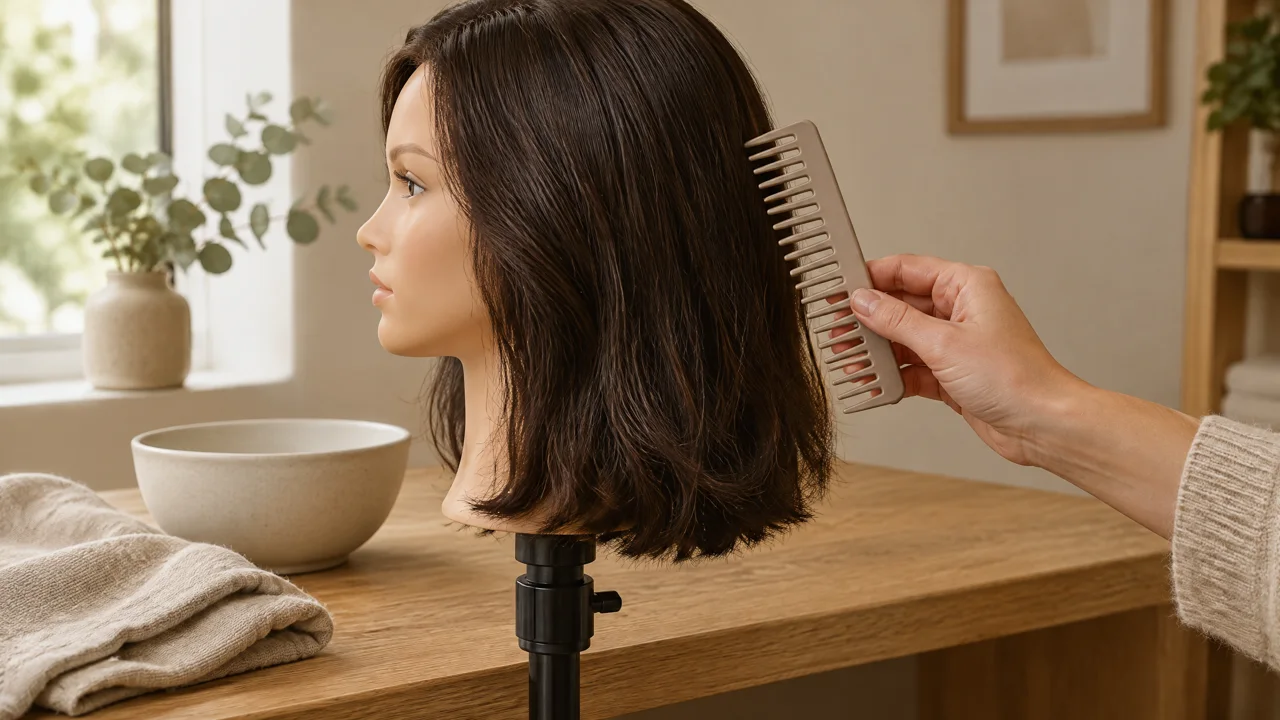
The wash cut and blow dry guide is useful when deciding whether cutting belongs in the visit. It distinguishes washing and drying without a cut from washing, cutting and finishing together. If preserving every bit of length matters, state that no cutting is wanted, including the fringe. Do not leave that boundary to an abbreviated service label.
Describe the finish separately from the shape. A tidy parting, lift at the crown and ends turned away from the face are different preferences. Asking for smooth hair does not necessarily mean a flat top, and asking for movement does not necessarily mean curls throughout. Point to the relevant areas in a reference and explain which details are optional.
Additional curls, pinned sections and accessories should be raised before confirming the work. A loose blow-dried finish does not establish elaborate occasion styling. Equally, a temporary finish is not a perm or chemical straightening. If your aim is for hair to behave differently after future washes, say so rather than assuming the appointment photograph demonstrates a lasting texture change.
Think about the next stop as well as the salon mirror. An adult leaving for dinner after outdoor errands has different priorities from someone taking photographs immediately. Rain, helmets and handling can alter a temporary finish. Explain the journey and required departure time, then ask for practical adjustment advice. Do not expect a fixed lifespan or abandon protective headwear to preserve the style.
05
Discuss a child's comfort before arranging the visit
The published children's category at Vit So is for under-12s. It does not establish a minimum age, specialist seating, entertainment or included washing. State the child's exact age at the intended visit, not simply their school year. If a birthday changes the age category before the appointment, ask which service entry applies instead of carrying an earlier assumption forward.
Describe previous experiences in concrete language. Buzzing sounds, a cape around the neck or loose cut hair on the skin may have prompted discomfort. Say what happened and what helped, without labelling the child difficult. Ask whether any proposed support can be accommodated. A published children's service does not itself confirm specialist support or every arrangement a family might need.
Agree who accompanies the child and pass the same length instructions to that adult. Ask before planning lap seating, headphones or a familiar object, since these may affect access around the head. Discuss a simple word for requesting a pause. If the child needs to turn or move, alert the hairdresser and wait until tools are clear rather than moving unexpectedly.
Imagine a child who is comfortable with scissors but dislikes a dryer. That hypothetical detail belongs in the enquiry, not in a surprised discussion at the finishing stage. Ask what service arrangement can be considered and what it would include. If safe cooperation becomes uncertain, a changed plan is preferable to insisting on every element of the original design.
Comfort information belongs in the appointment plan, not in an apology after the child becomes unsettled.
06
Choose an everyday routine that does not depend on constant styling
Tell the stylist what happens on an ordinary morning, rather than describing an ideal routine. Do you air-dry, use a dryer with your fingers or work with a brush? Which person handles a child's hair? A finish that needs several carefully repeated steps may not suit a rushed school morning. The best comparison is between the proposed shape and the routine you genuinely intend to keep.
The American Academy of Dermatology advises limiting excessive heat because it can damage hair. Its styling guidance also warns that persistently tight styles can contribute to breakage and traction-related hair loss.[1] These are general safety considerations, not evidence for one particular cut. Avoid making repeated hot-tool work or a tightly pulled ponytail the only way a family member can wear the proposed shape comfortably.
Share recent bleaching, straightening, perming and frequent hot-tool use before discussing a finish. Describe roughness or breakage where you notice it, rather than assuming a glossy appearance means the underlying concern has disappeared. Speak up if brushing pulls or drying feels uncomfortably hot. A salon finish is a cosmetic appearance, not proof that damaged lengths have been repaired.
After the first normal wash at home, observe specific details. Does the front fall into the eyes again? Do the sides sit awkwardly around glasses? Can the retained sections still reach the usual tie? These observations make a follow-up discussion useful. They also help you plan future trims around changing length and daily needs, rather than adopting one fixed timetable for the whole family.
07
Confirm each person's scope, charge and appointment separately
A family enquiry should identify each person's requested work, even if the preferred visit window is shared. Vit So publishes men's washing, cutting and finishing at HK$380, women's at HK$480, and washing and drying without cutting at HK$240. These entries do not establish a family package. Confirm the total for the agreed work, including any additional styling or applicable supplement, before accepting it.
Use the kids haircut page to check the child-specific questions rather than extending the adult appointment assumptions. Its published under-12 haircut is HK$230; washing, finishing and accompaniment arrangements need confirmation. Explain the child's age and intended change alongside any comfort needs. An age-based price is not a promise that a particular visit setup can be provided.
Send possible dates and any firm departure deadline, then ask how the visits could be arranged. Do not assume simultaneous appointments, consecutive slots or space for additional family members and a pushchair. Vit So's published location is 252 Hollywood Road, Sheung Wan. Check the journey from your own starting point and wait for confirmed arrangements before setting off.
Before work starts, restate the agreed length boundaries and clarify any change of plan. If a simple refresh becomes a restyle, or a loose finish becomes pinned styling, discuss the revised work first. Keep the confirmed details available to the accompanying adult. A clear family plan is not necessarily a larger appointment; it is a set of individual requests that everyone understands.
- Write one main goal per person and name the front, side or back length that must remain.
- Attach current dry-hair photographs and annotate one specific feature in each reference.
- Give the child's exact age, school boundaries, comfort concerns and accompaniment questions.
- Confirm each service's inclusions, total charge, visit sequence and departure time before travelling.
Sources and useful reading
Continue with hair and grooming
Continue with Canvas Texture’s male hair needs: Korean Men's Perm
Explore another related decision: Layered haircut choices for a busy daily routine
Read the lead stylist’s background: Vit So and the Canvas Texture studio
Discuss your own men's hair needs with Canvas Texture
For a Canvas Texture consultation about your men's hair, explain the length you want to preserve, the shape you want to change and your normal styling routine. Bring a current photograph and one clear reference so your priorities can be discussed.
Canvas Texture · WhatsAppFrequently asked questions
Does washing and drying include a haircut?
Not automatically. Vit So lists washing and drying separately from washing, cutting and finishing. Say explicitly whether you want any cutting, including a fringe trim, and confirm the requested finish and inclusions.
Does the children's price cover washing and blow-drying?
The published entry is a haircut for children under 12 at HK$230. It does not establish included washing or blow-drying. Ask about those items and the child's exact age before confirming the appointment.
Can the whole family book the same visit window?
You can enquire with a separate service request for each person and shared preferred dates. This does not confirm simultaneous or consecutive appointments. Ask about the proposed sequence, accompaniment, available arrangements and total time.
What if a child wants long hair but the parent wants easier mornings?
Find a shared practical aim, such as a clearer fringe or easier gathering. Identify which sections must still tie back and let the child explain what they want to keep. Discuss those boundaries instead of treating shorter hair as the only option.
Related journal articles
Hair salon or hair stylist: what should you compare?
Choose the appointment around the change you need, not the most impressive title on the booking page.

A layered haircut for busy days: choose what to keep
The most useful length is not always the longest strand; it is the shortest piece your routine still needs.
Women's haircut: choosing a bob or lob for everyday life
A useful length is one that works when you move, not only when you stand still for a photograph.

