Long wigs: compare wavy and curly volume before choosing
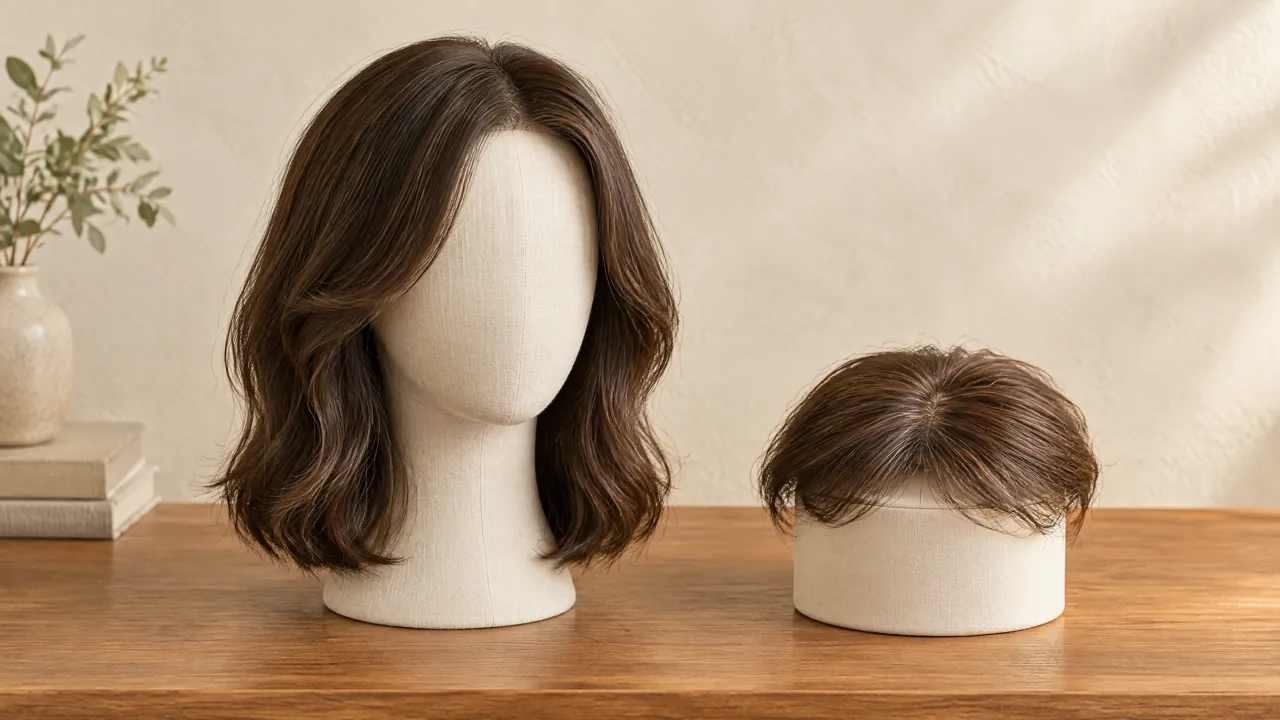
Choose a longer wig by its worn outline, not its length label alone. A loose wave can create a flowing shape, while more defined curls may create greater width or a shorter-looking fall. Neither texture automatically offers more flattering volume. Compare where the hair sits around your face, shoulders and chest before deciding which pattern deserves a closer look. The useful question is where you want fullness, rather than how much hair looks impressive in a photograph.
Start with three observable factors: where the ends fall when the hair is resting, where the outline is widest, and what the specific fibre needs to retain its shape. Check whether the listed length describes hanging hair or another measurement method. Then ask about the cap, permitted parting and care instructions for that particular piece. These details make a comparison useful; a broad description such as loose wave cannot establish fit, weight or heat tolerance.
For Canvas Texture readers helping a partner or relative choose, familiar hairstyle language can make the discussion easier. Talk about an open forehead, width beside the cheeks or movement below the shoulders, rather than choosing on someone else's behalf. OwnStrand is a related brand under the same ownership as Canvas Texture, not an independent recommendation. This guide focuses on comparing shapes and checking details, so the wearer can keep control of both the look and the shopping decision.
01
1. Set a worn-length target before comparing textures
Begin with an endpoint you can recognise without a tape measure: near the collarbone, below the shoulders or further down the chest. Use the same reference when comparing every candidate. A long wigs guide can help organise length and fibre questions, but the category name does not establish how an individual piece will fall. Ask for the measurement method and, where possible, a photograph showing the complete outline rather than only the face and upper hair.
Curves use part of a strand's length before it reaches its lowest point. Two pieces carrying similar length descriptions can therefore finish at different places when worn. Do not assume the measurement refers to straightened hair, or that the seller uses the same convention across every style. Ask where the ends normally sit with the pattern undisturbed. A side view can also reveal whether the longest back section hides a much shorter-looking front outline.
Set a practical minimum and maximum rather than one exact length. Your minimum might preserve enough hair below the shoulders to suit a favourite neckline. Your maximum might avoid ends constantly reaching a bag strap or desk surface. These are personal limits, not universal rules. Compare the front and back separately, and leave room for the fact that posture, body proportions and the curl's resting shape affect the apparent result more than a cropped catalogue image suggests.
02
2. Locate the volume instead of judging its total size
Divide the outline into three zones: forehead and temples, cheeks and jaw, then shoulders and ends. Look for the widest point in a front view before considering whether the hair is simply full or flat. A piece with restrained roots and expanding ends creates a different impression from one that is wide beside the temples. This distinction helps you describe a preference accurately without relying on rigid face-shape rules or assuming that one curl type suits everyone.
Wave or curl labels describe a pattern, not a complete silhouette. Density, layering, root styling and the position of the part can all influence the visible outline. Ask which of those features are present in the actual piece and which belong to the photographed styling. A highly arranged image may not represent the shape after ordinary washing. If the desired effect depends on changing the part or lifting the roots, confirm that the construction and care instructions permit it.
Use the table as a shortlist tool, not a promise about any texture category. Choose one main outline priority and one acceptable compromise. For instance, wanting a clearer cheek area might matter more than achieving the fullest ends. That makes the next comparison specific: look for where the width begins, then check how the front sections rest. A useful shortlist contains different solutions to your priority, not several photographs that happen to share an attractive model.
| Main priority | Visible feature to compare | Possible trade-off |
|---|---|---|
| Keep the cheek area open | Narrower sides with fullness beginning lower down | Less width around the face may reduce the dramatic effect |
| Create a fuller shoulder outline | Waves or curls expanding towards the lower lengths | More hair may rest against collars and straps |
| Preserve a long-looking fall | Where the ends sit with the pattern resting naturally | A looser pattern may give less compact curl definition |
| Show a defined curl pattern | Individual curves visible without being pulled straight | The resting length may look shorter than expected |
Volume is a location on the outline, not just a quantity of hair.
03
3. Compare the outline in ordinary clothes and movement
Bring a familiar neckline into the comparison, whether through your clothing or a clear reference photograph. A high collar can make lower fullness appear crowded, while an open neckline gives the same outline more visible space. This is a styling relationship, not a reason to rule out a length. If you are helping someone else, ask which outfits they wear most often. Their everyday clothes provide a better test than choosing a shape solely for a special-occasion image.
If a fitting is available, ask permission to compare front, side and back photographs with the head held normally. Keep the camera position and clothing consistent. Then turn gently and sit down to see where the front lengths settle. Notice whether the hair repeatedly crosses the face or gathers inside the collar. Avoid vigorous movement or improvised stress tests. The aim is to understand an ordinary wearing outline, not to prove durability through activities the seller has not authorised.
Consider an illustrative office-day scenario: the wearer likes broad curls in photographs but regularly carries a shoulder bag and wears a collared shirt. The decision is not automatically to choose a shorter piece. It is to check whether the lower sections sit comfortably, whether an approved method can move hair away from the face, and whether the desired fullness survives that adjustment. If the only satisfactory shape requires constant rearranging, a less expansive outline may be the more workable compromise.
04
4. Decide whether a wave pattern matches your care routine
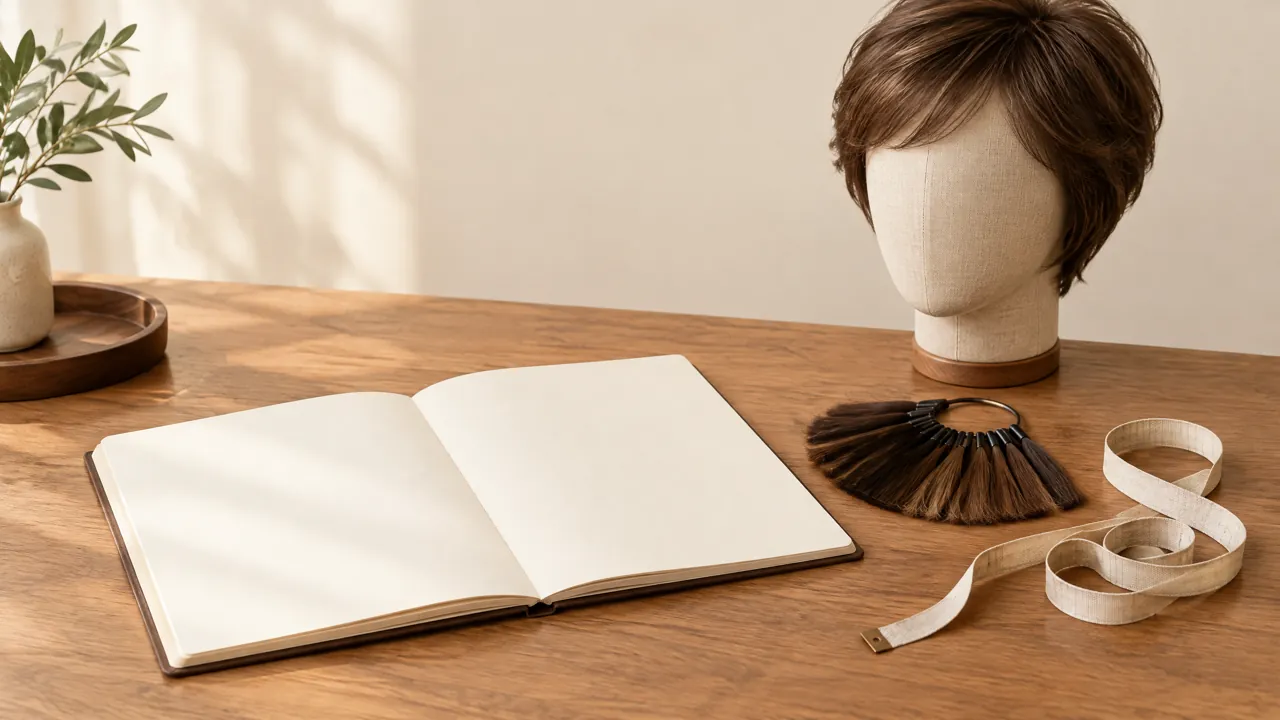
When comparing wavy wigs, distinguish broad bends from more frequent, smaller waves rather than treating every option as the same loose style. Notice where the first bend begins and how the ends finish. A relatively smooth upper section can keep the outline quieter around the face, while waves beginning higher may add width sooner. Check the actual piece from more than one angle, because front styling can conceal substantial fullness at the back.
Match the desired wave to the specific fibre and its instructions. Cancer Research UK distinguishes synthetic, human-hair and mixed options, and notes that synthetic pieces often have a preset style; heating must follow manufacturer guidance [1]. This supports a practical question, not a ranking: what routine restores this particular pattern after washing? Do not assume every synthetic piece accepts heat, or that every human-hair piece returns to its photographed wave without further styling. Ask before planning a daily routine around either expectation.
Make the maintenance discussion concrete by describing what you are prepared to do. Perhaps you can allow careful drying but do not want regular heat styling. Perhaps you value changing the outline and accept the extra work that may involve. Ask which products, tools and handling methods are specified, and what happens if the pattern loosens. A wave is only an easier choice when its required routine fits your habits; a relaxed-looking photograph does not establish relaxed maintenance.
05
5. Check curl definition, width and access to the face
For a more defined curl pattern, compare the size and spacing of the visible curves alongside the overall width. Smaller-looking curls do not necessarily mean greater density, and a wide outline does not tell you how heavy the piece feels. Look at how the front sections separate and whether the jaw remains visible. Ask to see the resting pattern without stretching or flattening it. This helps distinguish the shape you actually want from volume created temporarily for a photograph.
Give particular attention to the transition between roots and lengths. A flatter top with expanding curls below can look very different from fullness starting near the crown. If you want the forehead open, confirm how the front can be arranged on that construction. Do not assume pulling everything backwards or changing the part will work. The attractive compromise may be a small adjustment to the front sections rather than reducing the entire curl pattern or choosing less length.
Ask how the curl groups should be handled after washing and between wears. Brushing, separating or pulling through them may change their appearance, depending on the fibre and styling method. Follow the piece's instructions rather than borrowing a routine from someone's natural curls. Also ask whether the proposed look requires professional reshaping. Cutting removes length permanently and can alter how the remaining curls sit, so establish the intended outline before agreeing to changes that cannot simply be undone.
06
6. Treat comfort and product details as separate buying gates
A pleasing silhouette is not enough if the fit creates uncomfortable pressure or leaves you constantly adjusting it. Ask how the cap size is assessed, what adjustment is available and how security should be checked for that particular piece. Avoid treating longer hair as proof that a tighter fit is necessary. The American Academy of Dermatology warns that repeated pulling and overly tight hairstyles can damage natural hair [2]. Do not ignore pain, stinging or irritation from an arrangement that pulls on your own hair.
Check appearance and transaction details separately. A catalogue photograph may establish a style direction, but it does not confirm current availability, fibre composition or the seller's alteration terms. Request the relevant information for the identified piece rather than accepting a general category description. Ask what is included in the quoted service and what would be charged separately, without assuming that fitting, cutting or later restyling is included. Keep the confirmation available so you can compare candidates on the same basis.
Use the following checks before committing, especially if the outline depends on a particular part or care method. If an answer is missing, pause that comparison rather than filling the gap with a hopeful assumption. A beautiful option with unclear specifications is not directly comparable to one with documented limits. This does not make it unsuitable; it means there is still a question to resolve. Confirming the details can also prevent an unnecessary purchase when a different shape would better fit your routine.
| Unresolved detail | Question to ask | Decision until clarified |
|---|---|---|
| Resting length | How is this piece measured, and where do its ends fall? | Do not compare length labels alone |
| Fibre and heating | What is the fibre, and which heat instructions apply? | Do not plan heat styling from appearance alone |
| Parting and front styling | Which part positions and front arrangements are permitted? | Keep the photographed arrangement as provisional |
| Fit and adjustment | How will size and comfortable security be assessed? | Do not accept discomfort as a styling requirement |
| Supply and alterations | Is this piece available, and what are the alteration and purchase terms? | Resolve the terms before committing |
07
7. Make the final choice with a short outline brief
Write a brief that separates essentials from preferences: the resting endpoint, the area that should stay visually open, the place where fullness is welcome, and the care you can realistically provide. Use it when comparing curly wigs with a looser-wave alternative. The guide introduces pattern and length questions, while individual details still need checking. This keeps the decision centred on your outline rather than drifting towards whichever photograph looks most dramatic on a different wearer.
Compare two finalists against the same brief, giving comfort and workable care priority over a marginal difference in photographic impact. Keep reversible arrangements separate from permanent alterations. Moving a front section in an approved way may answer your concern without cutting, but this must be checked on the specific piece. If shopping with a relative, let them describe the preferred result first. Your role can be recording answers and noticing differences, rather than deciding how much volume they ought to wear.
Finish by asking what remains uncertain and who can answer it. Product construction, fitting and care questions belong with the wig supplier. Questions about your own existing hair's fringe, side width or silhouette can form a separate styling discussion. You do not need to force both into one choice. A successful comparison leaves you able to explain why one outline fits your clothes, habits and preferences better, while recognising the trade-off you have deliberately accepted rather than discovering it later.
- Record the resting endpoint at the front and back, not just the listed length.
- Name one area to keep open and one area where you welcome fullness.
- Confirm the actual piece's fit, permitted styling and care routine.
- Resolve availability and alteration terms before making the final commitment.
The best shortlist explains both what you want to keep and what you are willing to give up.
Sources and useful reading
Continue with hair and grooming
If your question concerns styling your own men’s hair, continue with: Korean Men's Perm
Compare a related selection decision: Clip-in hair topper: match support and the parting line
Read our male-hair styling background: Vit So and the Canvas Texture studio
Clarify the outline of your own hair
For questions about your existing male hairstyle, speak with Canvas Texture about fringe balance, side width and movement. Bring a familiar hairstyle photograph and describe the outline you want to retain; the consultation is about styling your own hair.
Canvas Texture · WhatsAppFrequently asked questions
Will a defined curl always make a longer wig look shorter?
A curved strand can finish higher than a straighter strand of similar measured length, but the effect varies. Ask how the length is measured and compare where the ends fall with the pattern resting naturally. Do not assume matching labels mean matching worn lengths.
Does a fuller outline mean a denser or heavier piece?
Not necessarily. Pattern, layering and styling affect visible width, while density and weight are separate details. Compare the outline visually, then ask about the actual construction and assess comfort if a fitting is available.
Can I change a wave into a tighter curl at home?
Only consider a change that the specific fibre and manufacturer instructions permit. Heat tolerance and restyling behaviour cannot be established from a photograph or a general material label. Ask what methods are allowed and how a change could affect the existing pattern.
How can I help a family member compare options without taking over?
Ask them to identify their preferred endpoint and where they want more or less width. Record supplier answers and compare consistent views. Let the wearer decide which compromise feels acceptable, including whether they want to proceed at all.
Related journal articles
Men’s Hairpieces or a Perm? Compare Coverage and Shape
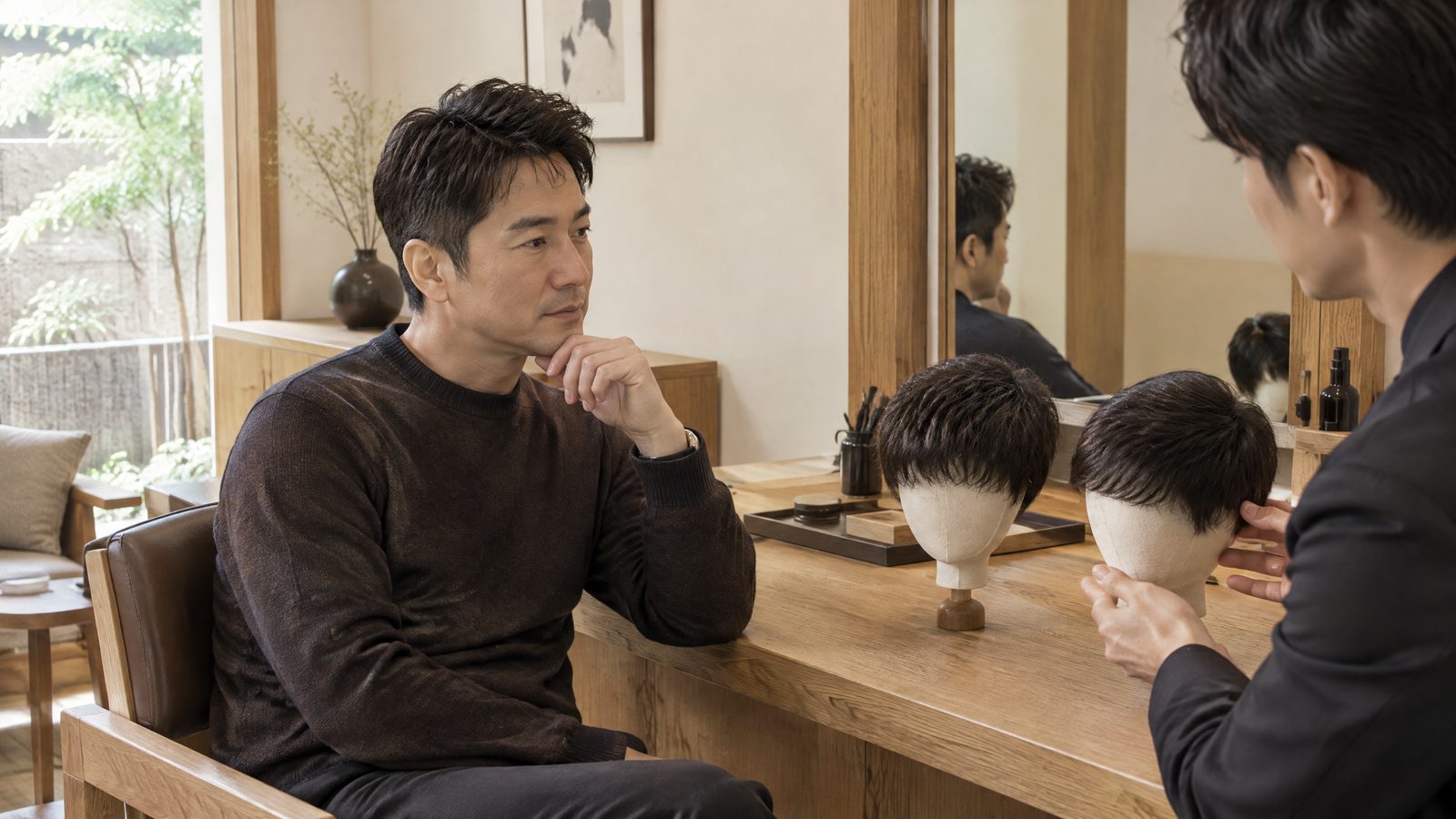
Choose a perm when enough existing hair remains and movement is the main goal. Choose a hairpiece when a defined area needs cosmetic coverage. Neither option decides the best outline by itself. First identify the visible area, surrounding density, preferred parting, and morning routine. Those observations prevent a product label from making the decision too early. Compare those details before making any booking.
Natural Hairline Wigs: A Guide to Fringe and Forehead
Natural hairline wigs look most convincing when the front edge, fit, colour, density, and haircut agree. For a hypothetical four-day workweek side part, inspect both temples under two ordinary light sources before choosing a construction. The aim is a coherent outline in movement. No single feature can decide that outcome. Check the whole frame, not only the centre. Check it while turning your head.
Human Hair or Synthetic Wigs? Texture and Care Choices
Choose human hair when approved styling flexibility matters. Choose synthetic fibre when a preset shape and simpler mornings matter more. Neither label settles the result alone. Texture, density, cap construction, attachment, and fit shape how a wig looks and feels. Start with the routine you can maintain, then check the exact model’s instructions. That order avoids paying for flexibility you will not use