
Baking Class Choices: Hair Prep for a Hands-On Date
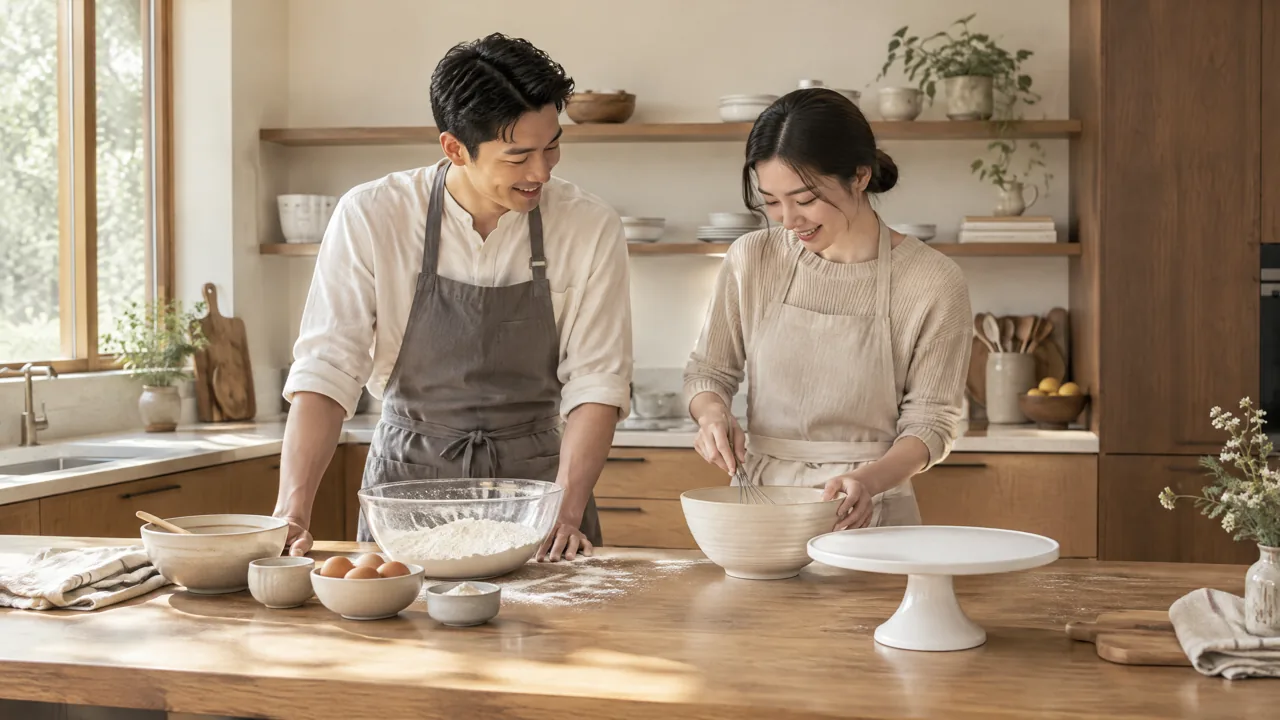
Choose your workshop by the task you want to practise, then prepare hair that stays out of your working view. For a baking date, neatness means needing fewer adjustments at the bench, not achieving a salon-perfect photograph. A polished fringe is less useful if you keep moving it away with busy hands.
A hypothetical Hong Kong afternoon might combine a workshop, a couple's photograph and a homemade gift for dinner hosts. Those plans create different demands. You need enough attention for the lesson, a hairstyle compatible with the studio's rules, and a realistic route for the finished food. One attractive course photograph cannot answer all three needs.
Canvas Texture approaches this occasion through practical men's grooming rather than claims about baking expertise. The following choices connect the class task, your working posture and the rest of your day. Use them to separate learning from decorating, prepare without unnecessary restyling, and confirm what actually leaves the studio with you.
01
Choose a Baking Class by the stage you want to learn
Start with a verb rather than a finished product: measure, mix, shape or finish. Someone wanting to understand dough needs a different session from someone wanting a decorated cake for tonight. A take-home photograph may show the outcome without revealing whether participants completed the underlying stages themselves. Ask for the task sequence before deciding.
YumYum's Baking Class page can provide a starting point for enquiring about hands-on baking activities. Confirm the current lesson content, individual participation and any prepared components before booking. Treat a course category as a direction for questions, not evidence that every participant performs every stage or takes home an entire cake.
For a hypothetical first date, mixing and shaping may offer shared conversation without demanding an intricate final design. That only works if the actual format allows both people to participate. Ask whether pairs share ingredients, equipment or tasks. An advertised group activity could still leave one person observing while the other performs the main technique.
Match the lesson to what you can repeat afterwards. If your home has limited counter space, ask which demonstrated skills need specialist equipment. A session can still be worthwhile when you cannot reproduce the whole recipe. Choose it knowingly for a transferable movement or understanding, rather than expecting an identical home result next weekend.
| Your aim | Stage to confirm | Useful booking question |
|---|---|---|
| Understand a recipe | Measuring and mixing | Which ingredients do I measure myself? |
| Learn shaping | Handling before baking | Does each participant practise the shape? |
| Make a gift | Finishing and packing | What is my own take-home share? |
| Share an activity | Allocation between partners | Can both people practise the main task? |
02
Choose cake decoration when the personal message matters most
Decoration is a distinct learning goal, not a lesser version of baking. You may care most about a birthday message, a restrained colour scheme or a tidy finish. In that case, time spent practising an edible surface can be more relevant than making the base. Confirm whether the session starts with a prepared cake.
A Cake Decorating Class is a relevant enquiry route when piping, smoothing or decorative finishing is your priority. Ask which techniques are taught and how much personal design freedom the session allows. Do not assume the display cake represents a beginner's achievable result, your available materials or the format of the booked lesson.
Keep a hypothetical host gift manageable by choosing one personal detail rather than several demanding effects. A short greeting may matter more than copying a complex reference image. Share the idea beforehand and ask whether it fits the teaching plan. If the main purpose is a guaranteed presentation result, a learning session introduces avoidable uncertainty.
Detail work also changes your grooming priorities. You may spend longer looking down at the bench than during casual conversation. Test whether your fringe falls forward in that position before leaving home. Secure it according to the instructor's requirements, without assuming that a swept-back photograph proves it will stay clear throughout the activity.
03
Choose cooking when the next occasion is hosting dinner
A workshop is not always about carrying away a sweet gift. If you want to host friends later, learning ingredient preparation or meal sequencing may serve you better. Identify the part of hosting that currently feels difficult. Choosing a task you can practise at home gives the session a purpose beyond an enjoyable afternoon together.
Consider a Cooking Class when practical meal preparation interests you more than cake finishing. Confirm the menu, participant tasks and whether food is eaten during the session or taken away. The category alone does not establish the teaching format, equipment arrangements or whether the dishes match your guests' dietary requirements.
Work backwards from your own kitchen. Ask whether the method depends on equipment you do not own or on ingredients requiring advance preparation. You might prefer a session that explains organising several components rather than one elaborate final dish. The useful outcome is a skill you understand, not simply a menu name that sounds impressive.
A cooking-focused date can also involve uneven confidence levels. Discuss whether both people want active practice or whether one mainly wants companionship. Ask the studio how tasks are allocated before expecting equal participation. This conversation avoids turning the afternoon into an informal test of competence, especially when you later plan to cook for the same guests.
04
Prepare your fringe for the bench, not just the arrival photo
Check your hair in the posture the activity requires. Look down as though reading a recipe, then turn your head as though listening to the instructor. Notice strands reaching your eyes or face. For a short fringe, a simple adjustment may be enough. Longer hair may need securing or covering under the studio's actual rules.
Ask about hair coverings before choosing the final shape. A cap may flatten a high-volume style, while a secured fringe may change the outline you normally wear. Prepare a version that remains comfortable under those conditions. Do not assume that a neat men's haircut removes the need to follow the same hygiene requirements as other participants.
Avoid solving the problem through excessive heat or strong pulling. The American Academy of Dermatology advises limiting heat and warns about tension from repeatedly worn tight hairstyles [1]. That supports gentle preparation, not a promise that any particular look prevents damage. If your hair needs force to stay arranged, reconsider the shape rather than tightening it further.
Finish necessary styling away from the food-preparation space, and give yourself enough time to arrive without rushing. If you are considering a fresh perm or colour, consult your hairstylist about your hair condition and plans. There is no universal waiting period that makes every salon service compatible with every workshop or subsequent styling routine.
05
Keep the grooming reset separate from food handling
The practical risk is repeated touching, not merely an imperfect hairstyle. If a strand bothers you during the session, stop the food task and ask where to adjust it. Follow the instructor's hand-cleaning requirements before returning. Do not rearrange hair while holding ingredients or use a shared work surface as a place for grooming tools.
Hong Kong's Centre for Food Safety lists clean hands and utensils among its Five Keys to Food Safety [2]. Apply that principle by keeping your grooming pouch outside the preparation area and washing hands as instructed. Hair products are not kitchen supplies. Do not spray hairspray over benches, food, packaging or utensils, even for a quick photograph.
Keep your phone out of the task sequence whenever possible. Asking a partner to photograph a completed stage can reduce interruptions, provided the studio permits photography. If you handle your phone, follow the class's hygiene procedure before resuming. A well-planned image should not require moving active work, removing required hair coverings or ignoring an instructor's explanation.
A compact grooming kit belongs in your bag, not beside the mixing bowl. You might bring the hair accessory you already know is comfortable and a clean comb for later. Neither replaces a studio-issued covering. Leave elaborate restyling until you have finished handling food and reached an appropriate separate space, rather than creating another task at the bench.
Keep the working version of your hair simple; save the photo reset for a clean pause after the food task.
06
Give a workshop date room to finish without rushing
Distinguish the advertised session duration from the time you can leave with your finished item. Ask whether the schedule includes cooling, finishing and packing. A lesson ending does not necessarily mean the item is ready for transport. This matters when a dinner reservation or host's arrival time turns an otherwise relaxed activity into a deadline.
For a hypothetical Saturday plan, imagine the class followed by a portrait and dinner with friends. Put the confirmed departure point into your calendar first, then allow for the actual route. If packing readiness remains unclear, avoid making the dessert essential to dinner. You can still enjoy the class without promising a finished contribution at a fixed hour.
Use any permitted post-task pause for a small hair reset, rather than assuming there will be a changing area. Ask where photographs can be taken without disrupting the next group. Check the front and side outline once. There is little benefit in repeatedly reworking the style while your partner waits with a box that needs attention.
Agree on photography expectations before the lesson. One person may enjoy documenting each stage while the other wants an uninterrupted activity. Choose a few permitted moments instead of making the workshop a continuous shoot. This protects the learning time and makes a slightly flattened hairstyle a minor detail, rather than the afternoon's main source of frustration.
07
Decide whether the take-home item can become tonight's gift
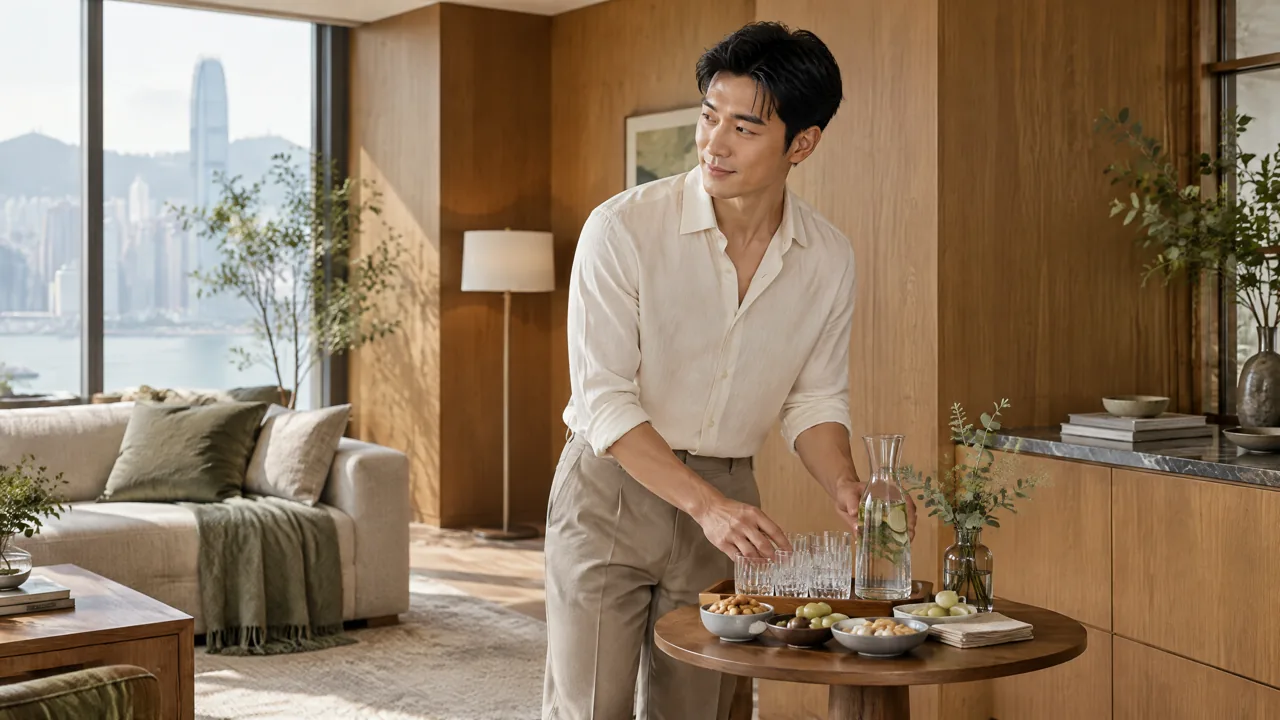
A homemade gift depends on more than producing something attractive. Confirm your personal take-home quantity, the available packaging and the item's handling requirements. Then ask the host whether receiving it suits the occasion. If partners share one finished item, do not promise separate gifts to two households before confirming how it can actually be divided and packed.
The Centre for Food Safety includes keeping food at safe temperatures among its five keys [2]. Ask for instructions specific to the finished item rather than inferring storage needs from its appearance. A supplied box may protect the shape without providing temperature control. Plan transport around those instructions, especially if you intend to stop elsewhere after class.
Dietary questions need answers before the gift is made. Ask the recipient about their requirements, then ask the provider about ingredients, substitutions and shared equipment. A course title or a handwritten gift label does not establish food suitability. If you cannot confirm what the recipient needs, choose another gift rather than asking them to resolve uncertainty at handover.
Separate carrying responsibilities from looking presentable. Agree who holds the food while the other manages doors or checks the route. Keep grooming products in a different pouch and follow the packing instructions. If there is no workable onward plan, taking the item directly home may be the better choice. The workshop can remain the shared occasion itself.
| Decision point | Confirm before booking | If unresolved |
|---|---|---|
| Gift quantity | Your own finished take-home share | Do not promise multiple gifts |
| Recipient requirements | Ingredients and preparation arrangements | Choose another gift |
| Onward travel | Item-specific storage and carrying instructions | Plan a direct trip home |
| Dinner handover | Host acceptance and suitable storage | Keep the dessert optional |
08
Make the booking decision with three practical checks
Compare shortlisted sessions through three questions: will I practise the skill I want, can I participate comfortably, and does the finished outcome fit my day? Give each answer a brief reason. This prevents a dramatic cake photograph from outweighing missing information about shared tasks, hair rules or take-home arrangements. An unanswered essential question deserves an enquiry, not a guess.
Record the exact session details rather than saving only a category page. Ask for the current location, timing and participation arrangements in writing. Review booking and cancellation terms before paying, without assuming a standard refund window. If information differs between messages and the booking document, resolve that difference before treating either version as settled.
Your grooming plan should support the selected activity, not determine its subject. A swept-back style does not make cooking more suitable than decoration. What matters is whether you can follow the studio's rules and work without constant adjustment. Choose the learning experience first, then prepare a comfortable version of your usual look around the confirmed requirements.
Finally, define a successful afternoon in ordinary terms: both people participate, you learn the intended task, and the food has an appropriate destination. A useful lesson can end with an imperfect decoration and a flattened fringe. Those are different from preventable problems such as missing a departure deadline or making a gift promise the session cannot support.
- Write one skill goal: the task you want to perform yourself, not only the product you want to photograph.
- Confirm partner participation, prepared components and your own finished take-home quantity for the chosen session.
- Ask about hair coverings, permitted photography and where a post-task grooming adjustment can happen.
- Save the packing instructions and host's acceptance alongside the booking details before promising a gift.
A workshop hairstyle succeeds when you can concentrate on the task instead of keeping your fringe in place.
Sources and useful reading
Continue with hair and grooming
For a separate men’s own-hair consultation: Korean Men's Perm
Continue with related occasion and grooming planning: Macaron Gift Box: Grooming and Small Sweet Presentations
Read our men’s hairstyling background: Vit So and the Canvas Texture studio
Plan the lesson, the look and the handover together
Choose one learning goal, confirm the session's practical arrangements and prepare hair that stays clear while you work. Keep your finished gift optional until its quantity, handling instructions and destination are agreed.
Canvas Texture · WhatsAppFrequently asked questions
Is a cake-decorating session suitable if I want to learn baking from scratch?
Only if its confirmed content includes the stages you want to learn. A decorating session may use a prepared base. Ask which ingredients you handle and which steps you complete yourself; do not infer this from the finished cake photograph.
Do men with short hair still need to ask about hair coverings?
Yes. A short haircut does not override the studio's hygiene rules. Confirm its requirements and check whether your fringe falls towards your face when you look down. Prepare a comfortable arrangement before arriving.
Can we book dinner immediately after the advertised class end?
First confirm when the item will be ready to leave, including any cooling or packing. Then check its storage requirements and your onward route. If those details are unresolved, avoid a tight reservation or making the dessert essential to dinner.
Can I use hairspray at the workbench before our couple's photograph?
No. Keep sprays away from food, utensils and packaging. Finish the food task and use an appropriate separate space for any grooming adjustment. Follow the instructor's hygiene procedure before handling food again.
Related journal articles
Hong Kong Catering Service: A Host’s Grooming Plan
A host’s hairstyle has done its job when it stops competing with the welcome.
Catering Packages: Compare Food and Grooming Budgets
Editorial principle: protect the meal and the host's preparation time before spending on extra variety or a more elaborate look.
Office Lunch Catering: Keep Hair Products off Food Tables
A prepared host gives hair products a home before giving lunch a place on the table.

