Junior Scuba and Fringe Comfort: Listen Before Booking
Before booking junior scuba, listen to the young person and keep hair preparation simple. A familiar fringe, gentle handling and a realistic wash afterwards are better starting points than a dramatic haircut or a tightly pulled style. If he does not want to take part, a neater hairstyle is not a reason to push ahead. Hair comfort matters, but it cannot establish readiness for a course.
For a parent helping a son who likes a longer fringe, curls or a carefully styled crop, the useful question is what bothers him. Hair touching his face, tugging during grooming and embarrassment about a wet hairstyle are different concerns. Discuss them separately from equipment fit and water confidence. The instructor confirms programme eligibility and equipment; a clinician addresses health concerns. Guardian consent should not silence the youngster’s own answer.
Canvas Texture and DiveHarbour share the same website owner. That connection explains this family water-activity topic on a men’s hair website; it is not an independent provider comparison. Prepared by the Canvas Texture editorial team with AI assistance and public sources, this guide focuses on original hair and everyday grooming. It does not provide diving instruction or suggest that a stylist can approve a child’s participation.

01
Start with the fringe he likes, not the photograph you want
Begin with ordinary grooming, somewhere unhurried. Ask whether his fringe annoys him at school, whether brushing pulls, and whether he dislikes anyone touching his head. These answers help distinguish a familiar hair issue from worry about an unfamiliar activity. Do not interpret repeated touching or sweeping his fringe aside as proof that it needs cutting. He may simply prefer control over how it sits, especially when an adult is discussing changing it.
A hypothetical example is a boy who enjoys a loose side fringe but dislikes it falling forward when damp. A styling conversation could explore a softer outline or an easier everyday shape while keeping the look recognisable. It need not become an extremely short crop. Ask which features he wants to retain before suggesting changes. Any salon appointment should be about his own hair and routine, not a promise that a new cut will solve equipment discomfort.
For curls or longer top sections, ease of handling may matter more than a perfectly fixed finish. Explain that wet hair can look different from a carefully dried style, without treating that difference as a flaw. Leave elaborate styling for another day if it creates extra washing or anxiety. Do not rely on a coating of wax or gel to control hair during an activity. Product directions and venue rules apply, and cosmetics should not be assumed harmless to marine environments.
Keep the hairstyle recognisable; make the conversation easier, not the child easier to persuade.
02
Treat willingness and guardian consent as separate questions
A guardian can organise the enquiry, read the documents and give required consent. The youngster still needs room to describe what he wants. Ask an open question such as what feels worrying about the day, rather than whether he is brave enough. If the answer concerns a fringe being pulled, listen without minimising it. Hair discomfort may seem small to an adult, but dismissing it teaches him that reporting an uncomfortable sensation is unwelcome.
Small grooming choices can make this distinction visible. Let him choose whether he wants help brushing before leaving or would rather do it himself. Ask permission before touching his hair, and do not tighten a tie simply because the family is running late. These are ordinary care decisions, not preparation exercises for diving. They show that speaking up changes what an adult does. A clear refusal to participate must remain acceptable, even if siblings or friends are enthusiastic.
When he is interested in discussing a structured course, the Junior Open Water Diver course Hong Kong page is a relevant next read for guardian involvement and course questions. Take his hair-related concerns into that conversation alongside his actual water experience. Ask DiveHarbour to confirm the current agency requirements, consent arrangements and supervision. Do not infer readiness from a birthday, a tidy haircut or the willingness to pose in equipment for a family photograph.
03
Bring hair discomfort to the instructor’s fitting conversation
Describe the sensation rather than diagnosing the equipment. Useful observations include hair catching near the back of the head, a fringe touching the face, or discomfort when somebody handles longer hair. Tell the instructor before participation and let them assess the equipment and its suitability. This article does not explain how to fit or adjust diving gear. A hairstyle that feels comfortable at home cannot establish that a mask or hood is appropriate for a young person.
Avoid treating tighter hair control as the automatic answer. A sharply pulled ponytail, tight braid or repeated tugging may replace one source of discomfort with another. The American Academy of Dermatology recommends reducing tension and handling hair gently to limit avoidable damage.[2] For hair long enough to gather, discuss a comfortable, low-tension option with the stylist, then ask the instructor whether the intended arrangement works with the actual equipment. Do not experiment with unfamiliar arrangements in the water.
Keep salon questions and fitting questions distinct. A stylist can consider how fringe length, density and curl pattern affect everyday handling. The instructor decides whether the proposed equipment is suitable and checks fit. Neither a shorter fringe nor a particular hair texture guarantees a mask seal. Do not modify straps, add oil or grease to gear, or substitute a swimming cap for diving equipment. If a cap is being considered for a pool activity, suitability still needs confirmation.
| What the youngster describes | Who to ask | Useful question |
|---|---|---|
| My fringe is difficult to manage every morning | Hair stylist | Can the shape be easier to handle without losing the look I like? |
| Something catches my hair during fitting | Instructor | Can you assess the equipment and this discomfort before participation? |
| Brushing pulls at my curls | Hair stylist | What gentler handling suits this curl pattern? |
| My scalp discomfort keeps returning | Appropriate clinician | Does this persistent discomfort need assessment? |
04
Choose a learning conversation, not a makeover deadline
Avoid linking a haircut to a booking deadline. Statements such as getting the fringe sorted so he can finally dive can make grooming feel like an obligation. If he wants a trim, choose it for comfort and normal upkeep. Leave room to discover whether he likes the result before attaching it to an unfamiliar day. A young person who declines a haircut has not failed a readiness test, and a fresh cut does not remove the need for an instructor’s assessment.
Families considering the practical learning environment can read Hong Kong scuba lessons for beginners to organise questions about pace, coaching and the intended route. For a youngster worried about hair catching or someone handling his head, ask how he can raise that concern during the initial discussion. The instructor should explain what is appropriate for the particular programme. A general beginner page does not establish junior eligibility, guarantee a particular setting or reserve a session.
Recent colour, bleaching or a perm adds a separate hair-care decision. Tell the stylist which service was used, how the hair feels now and what water exposure is being considered. Pool chemicals and sun exposure can damage hair, and the AAD highlights extra considerations for lightened hair around summer swimming.[1] There is no universal waiting period that makes every chemically treated head ready for water activities. Hair advice remains separate from participation requirements and any individual medical assessment.
05
Plan the wash before choosing the rest of the day
Ask about freshwater access and changing facilities before planning lunch, transport or photographs. Do not assume a venue provides showers simply because the activity involves water. The AAD recommends rinsing hair after swimming and using suitable shampoo and conditioner for swimmers.[1] For a family, the practical benefit is a manageable plan for cleaning and gentle handling afterwards. Washing is not a treatment for hair loss, and no routine can promise to prevent every effect of pool or sea exposure.
Pack products the youngster already tolerates, where they are permitted, rather than introducing several unfamiliar formulas on the same day. Follow the product instructions and venue rules, including rules about discharge and where washing is allowed. Use conditioner in the appropriate washing area, not as an assumed environmentally safe coating for the sea or pool. Labels such as biodegradable do not establish that a cosmetic is suitable for every aquatic setting. Ask the operator about any unclear restrictions.
Once washing is possible, keep handling gentle. Press with a towel rather than rubbing vigorously, and avoid pulling a brush through a resistant knot. The AAD advises gentler drying, less heat and combing approaches suited to straight or textured hair.[2] Let the youngster tell you when brushing hurts. A simple, comfortable finish is enough for travelling home; there is no need to recreate a salon result immediately. If scalp discomfort persists, seek appropriate clinical advice instead of adding more products.
| Planning point | Prepare or confirm | Why it helps |
|---|---|---|
| Before leaving | Pack a clean towel and familiar permitted wash products | Avoids relying on unconfirmed supplies |
| Before committing to the outing | Ask about freshwater and changing facilities | Makes the wash plan realistic |
| When washing is available | Follow product directions and venue restrictions | Keeps care appropriate to the setting |
| Before the journey home | Allow time for gentle drying and suitable detangling | Avoids rushed pulling and a photo-ready styling deadline |
06
Make room for privacy, pauses and a different answer
An adolescent may be more worried about being photographed with a flattened fringe than about the haircut itself. Ask before taking or sharing pictures, and do not turn wet hair into a family joke. Offer a quiet moment to wash and sort his appearance where facilities allow. Respecting this preference is not vanity management. It removes an avoidable source of embarrassment and helps keep the conversation about genuine interest rather than performing enthusiasm for other people.
If he says hair pulling is painful, or that he no longer wants the activity, do not dismiss the answer because he previously agreed. Give him space to explain without promising that a styling trick will fix everything. Share equipment discomfort with the instructor; take persistent scalp concerns to an appropriate clinician. Adults should not set up further attempts to prove that the concern is minor. Choosing not to participate is different from needing a slightly tidier fringe.
Afterwards, keep any grooming conversation separate from a judgement about how well he performed. Ask whether towel drying or detangling was uncomfortable and whether the next ordinary haircut should change. In a hypothetical family where a younger brother declines but an older brother remains interested, avoid comparisons or matching haircuts as encouragement. Each can keep his preferred look and make his own decision. The useful outcome is honest feedback, not a shared photograph or matching certificates.
- Ask permission before helping with hair.
- Let the youngster describe discomfort in his own words.
- Keep photographs and social sharing optional.
- Do not compare siblings’ willingness or appearance.
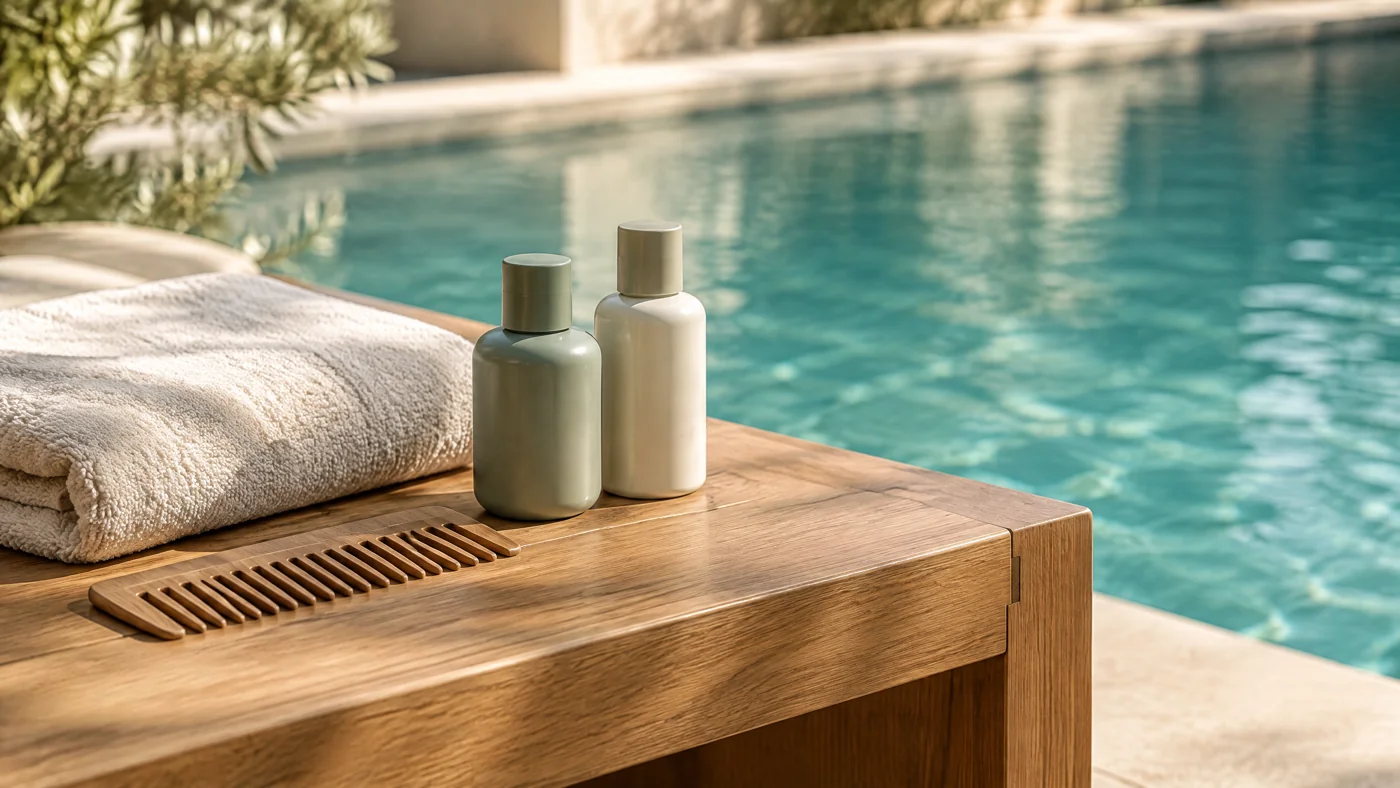
Listen to the complaint, not just the plan: a child should not have to prove that discomfort is serious enough.
07
Separate the styling enquiry from the activity decision
If the family wants a broader starting point, the guide to learn to scuba dive in Hong Kong can help frame a conversation about goals and beginner routes. Include the youngster’s actual interest and his concern about hair handling, rather than saying the haircut has made him ready. DiveHarbour must confirm the applicable programme, prerequisites, equipment and current arrangements. A salon discussion can make the grooming question clearer, but cannot replace that activity assessment.
Before payment, read the written booking conditions with the guardian’s responsibilities in mind. DiveHarbour currently states that all paid fees are non-refundable; make-up sessions are available only subject to the written conditions. Do not promise a free change or refund if the youngster becomes reluctant. Clarify the terms before making a commitment, and avoid using money already spent to pressure him. Include enough time for permitted washing and changing when discussing the day, without assuming facilities or dates are guaranteed.
For Canvas Texture, the relevant enquiry is about men’s own hair: fringe shape, a low-maintenance cut, curl handling or care around an existing chemical service. Explain the current routine and the look he wants to keep. Questions about junior participation, course arrangements and equipment belong with DiveHarbour, while health questions belong with a clinician. The boundary is useful rather than restrictive. It lets each person answer what they know, and leaves the youngster free to decide without turning grooming into a sales argument.
Sources and useful reading
Continue with hair and grooming
For a separate men’s own-hair discussion: Deep Hair Treatment HK
Continue with a related hair-and-water planning guide: Trying Scuba: Prepare Your Fringe Before a Mask Fitting
Read our hair styling background: Vit So and the Canvas Texture studio
Ask about a comfortable everyday fringe
Bring Canvas Texture your questions about men’s own-hair styling, fringe shape, curls and manageable daily care. Keep the preferred look at the centre of the conversation. DiveHarbour-related activity questions belong with DiveHarbour; Canvas Texture does not book junior courses or provide medical advice.
Canvas Texture · WhatsAppFrequently asked questions
Does a boy need a short haircut before junior scuba?
Not automatically. Choose a haircut for his everyday preferences and manageable care. An instructor must assess the actual equipment and fit; shorter hair does not guarantee comfort or a mask seal.
What if my child dislikes someone touching his fringe?
Ask permission before grooming and let him explain the concern. Tell the instructor before any fitting conversation. Do not treat reluctance as misbehaviour or assume tighter hair control will solve it.
Can a guardian’s consent replace the youngster’s willingness?
Required guardian consent and the youngster’s willingness are separate matters. Keep him involved and respect a refusal. Ask the provider to explain consent and participation arrangements before committing.
Should we apply conditioner before entering the pool or sea?
Do not assume a cosmetic is permitted or environmentally harmless in the water. Follow product and venue rules. Plan appropriate washing and conditioning in an authorised area afterwards.
Who should answer our haircut, equipment and health questions?
Canvas Texture handles men’s original-hair styling questions. DiveHarbour handles activity enquiries and instructor confirmation of eligibility and equipment. An appropriate clinician addresses health concerns, including persistent scalp discomfort.
Related journal articles
First Scuba Lessons: Keep Your Hair, Plan the Pool-Day Wash
Keep the haircut you want to live with; prepare for the wet-hair version of it.
Trying Scuba in Hong Kong: Prepare Your Fringe Before a Mask Fitting
Prepare the fringe you actually have, not the hairstyle you hope will stay unchanged in water.
Choosing a Hong Kong Diving School: A Men's Hair Planning Guide
Choose the learning environment with the instructor; choose an achievable hair routine with your stylist.