
Corporate flower class: Hair Preparation for a Hands-On Team Day
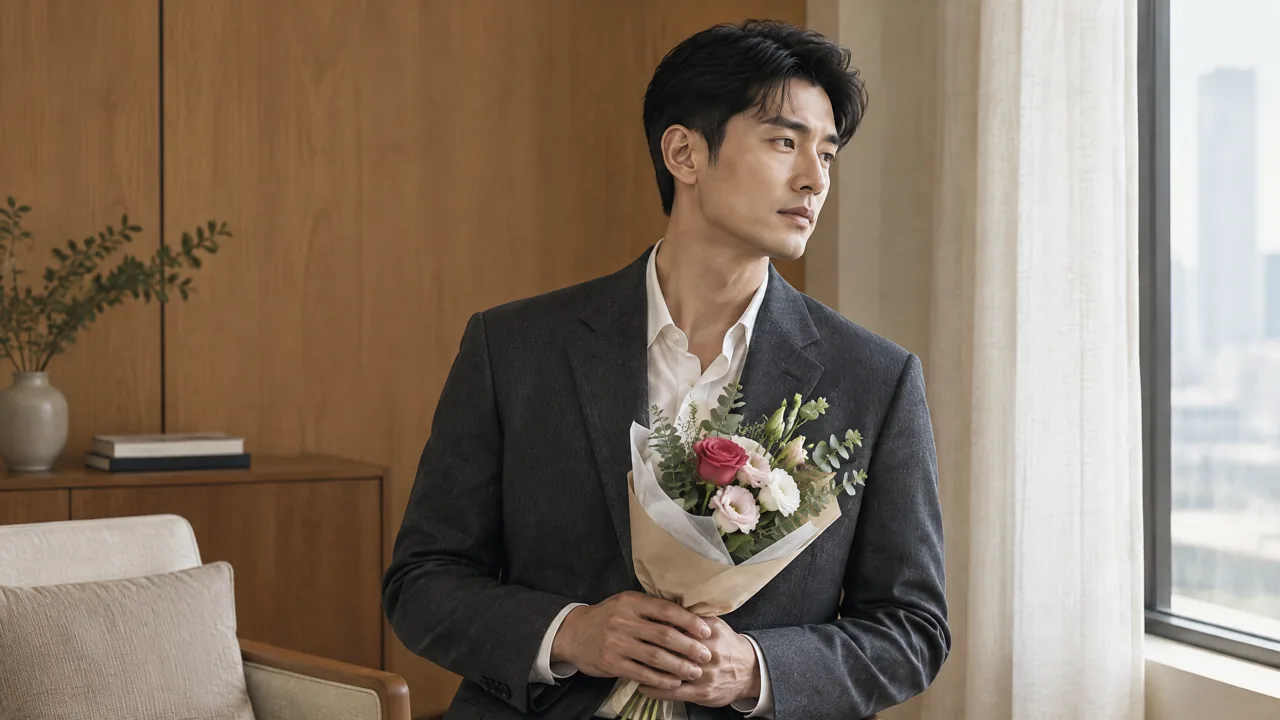
Prepare hair that stays comfortably clear of your eyes, then choose a flower course around the team's actual learning goal. Confirm the practical tasks and take-home arrangements before planning the final photographs. A polished arrival matters less if colleagues cannot see demonstrations or carry their finished gifts home.
A Hong Kong office workshop may sit between client meetings and an evening MTR journey. Participants could arrive in business clothes, work with unfamiliar materials and leave carrying both a laptop and an arrangement. The organiser needs a plan that respects those transitions without turning a voluntary creative activity into another appearance test.
For Canvas Texture readers, grooming preparation should make participation easier rather than dominate the occasion. This guide connects men's fringe control and comfortable styling with course selection, table layout and thoughtful gifting. Use the questions below to distinguish a pleasant-looking proposal from a session your particular team can genuinely enjoy.
01
Choose a shared learning goal, not just a company colour
Start with the action you want colleagues to practise. Making an individual arrangement creates a different experience from assembling one shared display. Neither format automatically delivers teamwork. A shared piece needs clear opportunities for each person to contribute, while individual pieces need enough teaching support for different levels of confidence.
A hypothetical team welcoming new colleagues might prefer individual pieces with a paired discussion about colour choices. That offers an easy conversation without making everyone dependent on one confident participant. A team thanking a departing colleague might instead propose a shared gift, provided the recipient wants flowers and the group understands who will take it away.
The Corporate flower class page can help frame an enquiry to YumYum about a group floral activity. Confirm the proposed format, teaching language and individual participation in writing. A corporate label does not establish a particular syllabus, private venue or level of assistance, so attach your team's learning goal to the enquiry.
Keep the visual brief subordinate to that goal. Company colours may guide the finished composition, but a rigid matching requirement can reduce participants' choices. Ask which elements can vary and which must remain consistent. This matters particularly when the gift is personal: a recipient's taste may deserve more weight than the firm's branding.
02
Find out how much of the class each person actually makes
A finished sample reveals the intended appearance, not the amount of learning involved. Ask the provider to separate demonstration time from participant practice. Establish whether materials arrive largely prepared, whether everyone completes their own piece, and when feedback happens. A beautiful result can still disappoint someone who expected to make more decisions themselves.
The Flower class page is a starting point for comparing a general floral learning direction. Ask which project and starting level are actually available for your date. Do not treat navigation images as confirmed materials or lesson content; request a description of what participants will observe, practise and finish.
For a mixed-confidence group, ask what happens when one person finishes early while another needs help. An optional refinement task can preserve interest without rushing slower colleagues. Also ask how the instructor makes demonstrations visible. Participants should not have to lean across other people's work or repeatedly leave their seats to understand the next stage.
Course fit includes communication, not just technique. Confirm the teaching language and whether key instructions can be repeated clearly for the group. Avoid assigning a bilingual colleague an unplanned translating role. If the session includes partner work, explain that arrangement beforehand so participants know whether they are sharing materials, decisions or only conversation.
03
Prepare the fringe for looking down, not only standing portraits
Test your usual hairstyle in the position you will actually use. Sit at a desk and look down at a notebook. If the fringe drops into your eyes, an upright mirror check has missed the problem. Try a comfortable side direction or familiar way of securing longer hair before deciding whether the style needs changing.
The American Academy of Dermatology advises limiting excessive heat and brushing, and warns about continued tension from tight hairstyles [1]. These principles favour a manageable workshop style over repeated restyling. They do not prescribe one men's haircut. Choose a preparation routine that suits your own texture without treating stronger heat or tighter fastening as the default solution.
Give hair time to dry before you become responsible for receiving guests or checking materials. If you use a dryer, avoid making repeated high-heat passes just to achieve a sharper photograph. Prepare at home rather than bringing an unfinished styling routine into the event. The host should be available when participants arrive, not occupied with a mirror.
If you are considering a cut, perm or colour before the occasion, discuss your hair condition and styling habits with your hairstylist. Ask how the proposed shape behaves when looking down. There is no universal waiting period that guarantees event readiness. A familiar style you can manage may be more useful than a last-minute change requiring unfamiliar maintenance.
Editorial perspective: The most useful workshop hairstyle is the one you can forget about while learning.
04
Match hair control to length without imposing a team look
Short hair may need little adjustment beyond a clear fringe. Medium-length hair can require a different arrangement around the face. Longer hair may need securing if the instructor's working requirements call for it. Ask about those requirements before attending, rather than assuming a cap, tie or loose style will always be accepted.
Choose the least restrictive familiar option that keeps your view clear. A hairstyle should not feel painful or demand constant checking. For longer hair, comfortable fastening matters more than creating an extremely tight outline. The dermatology guidance on sustained pulling supports avoiding unnecessary tension [1]; it does not mean every briefly secured style causes damage.
An organiser can communicate the practical requirement without judging people's appearance. State that participants should keep hair clear of their work and follow the instructor's instructions. Do not ask everyone to copy one neat side part for company photographs. Colleagues have different textures, lengths and personal preferences, and the activity does not require a uniform haircut.
Keep a small personal grooming kit separate from shared materials. Use it before entering the working area or during an appropriate break elsewhere. Do not pass styling products around the table or comb through the same style after every task. If the hair remains comfortable and your view stays clear, leave it alone and return attention to the lesson.
| Starting point | Check at home | Question for the organiser |
|---|---|---|
| Short fringe | Look down and check your view | Does the task require additional hair control? |
| Medium front length | Try your familiar side direction | Are there any headwear requirements? |
| Longer hair | Check comfort when secured | What fastening does the instructor request? |
| Recently changed style | Practise the agreed routine | When can I arrive without missing instructions? |
05
Keep refreshments out of the floral working space
Refreshments can make an office event welcoming, but the flower table should not also become the snack counter. Ask where participants will put drinks, where they can wash their hands, and who clears the break area. Personal grooming products belong elsewhere too. Never spray hair products around food preparation or serving areas.
Hong Kong's Centre for Food Safety identifies clean hands and utensils among its Five Keys to Food Safety [2]. It also covers safe materials, separating raw and cooked food, thorough cooking and safe temperatures. For this event, arrange a distinct refreshment area and a clear hand-cleaning opportunity before eating. Flowers and craft materials are not dining equipment.
Build the break into the lesson rather than allowing constant movement between snacks and work. Participants should have a place to pause their projects without balancing drinks beside unfinished pieces. Ask the food provider about storage and service requirements separately. The workshop timetable does not establish how long any particular food can safely remain on display.
If refreshments are offered, collect dietary requests privately and pass the actual requirements to whoever supplies them. Keep original ingredient information available rather than relying on an event nickname for a snack. This is a hosting responsibility, not a reason to ask the floral instructor for food advice. An optional food-free session is also a reasonable choice.
06
Judge preserved projects by their packed shape and journey home
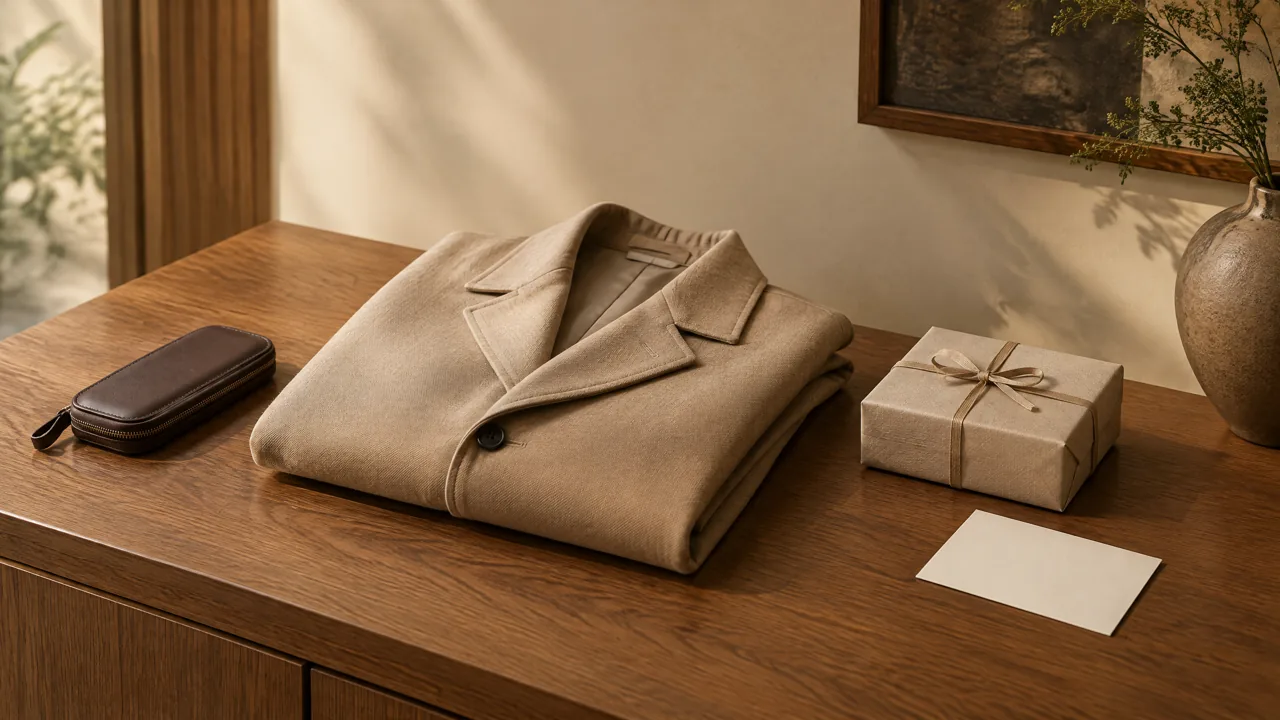
A small display can appear easy to carry until its protective packaging makes it much larger. Ask for the dimensions and orientation of a representative packed piece, not merely the finished floral design. Colleagues travelling with laptops need to know whether they can keep a hand free and where the gift will sit during the journey.
A Preserved flower workshop enquiry can explore a decorative project using preserved floral materials and a chosen display format. Confirm the actual materials, handling guidance and packaging separately. The name alone does not establish durability, maintenance needs or lesson availability, and it should not be treated as a promise of effortless long-term care.
Compare formats against likely routes rather than deciding that one is universally best. A hypothetical participant changing trains with a laptop may prefer a compact packed piece. Someone walking a short distance could accept a larger arrangement. Ask about the complete carrying package before choosing; a broad box or projecting handle can change the practical decision.
If the piece is intended for someone else, ask about their available display space and whether flowers are welcome. Do not make a home-care promise based on the material category. Request project-specific instructions to pass on with the gift. A thoughtful message explaining the team's choices may mean more than choosing the largest possible arrangement.
| Proposed format | Transport question | Gift handover question |
|---|---|---|
| Bouquet | How is the wrapped piece supported? | What care instructions accompany it? |
| Boxed display | What are its packed dimensions? | Does the recipient have display space? |
| Small vessel arrangement | Must it remain upright? | What handling guidance is supplied? |
| Wreath | How is its full width protected? | Where would the recipient display it? |
Editorial perspective: Choose the gift with the journey and recipient in mind, not only the photograph on the proposal.
07
Share host duties so nobody misses the final teaching stage
The organiser should not simultaneously receive late arrivals, manage refreshments and complete every gift label. Assign named responsibilities before the event. Include a backup for the person who answers venue questions. A host who repeatedly leaves the table may miss essential finishing instructions, then need the instructor to repeat them after everyone else has finished.
Keep the arrival process short and calm. Provide the confirmed venue details and meeting point beforehand, without assuming a service page lists the actual teaching location. Tell late arrivals whom to contact. That protects the demonstration from repeated interruptions and allows participants to settle in without needing the main organiser's attention for every small uncertainty.
Reserve a genuine packing period. Ask who provides packaging, who demonstrates its use and whether participants pack their own pieces. Label gifts before they become difficult to distinguish. If one person collects several arrangements, agree that handover explicitly. Do not assume the instructor will store uncollected pieces or arrange later delivery unless this is confirmed.
Distribute responsibilities so the organiser can remain a participant. In a hypothetical small team, one colleague could greet arrivals while another checks labels after teaching finishes. A third could help direct the photo gathering without touching other people's work. Keep these duties modest and agreed, rather than quietly turning enthusiastic colleagues into unpaid event staff.
- Name one arrival contact and one backup, with the confirmed meeting point in the invitation.
- Ask the instructor to identify the final teaching stage so the host can stay at the table.
- Confirm packaging inclusions and assign responsibility for labels before the packing period.
- Record who takes each finished gift, especially when its maker is not the recipient.
08
Make photographs optional and close with a useful readiness check
Tell participants whether photographs are planned and where they might be used. A colleague may enjoy the activity without wanting a company social-media portrait. Offer a photograph of the arrangement alone, or a group image that excludes anyone opting out. This keeps the occasion welcoming without confusing attendance with permission to publish someone's image.
Schedule photographs after participants have finished and cleared the immediate work area. Check the front and side outline of your hair once, preferably away from refreshments. A quick look is enough to catch a displaced fringe. Do not restart the entire styling routine or keep colleagues waiting while you pursue an arrival-perfect shape.
For a gift photograph, hold the piece as instructed and make sure it does not obscure another participant. Avoid moving fragile details merely to improve the image. If a colleague is presenting a shared gift, agree who speaks and keep the message brief. Describe what the team made rather than claiming artistic expertise or a professional qualification.
Before approving the event, ask whether the written proposal answers four practical questions: what everyone learns, what they make, what they carry home, and what the host must provide. Then check your own grooming plan against the actual tasks. If an answer remains unclear, resolve it before booking rather than compensating with a more elaborate hairstyle or gift design.
Sources and useful reading
Continue with hair and grooming
For a separate men’s own-hair consultation: Korean Men's Perm
Continue with related occasion and grooming planning: Gift hamper: A Groomed Guest’s Delivery and Budget Plan
Read our men’s hairstyling background: Vit So and the Canvas Texture studio
Bring a practical brief to your next enquiry
Write down the learning goal, participant needs and likely journeys home. Confirm the course and packing arrangements in writing, then choose comfortable hair preparation that lets you take part.
Canvas Texture · WhatsAppFrequently asked questions
Should I get a new haircut specifically for the company workshop?
Not necessarily. First check whether your usual fringe stays clear when you look down. If you want a change, discuss your hair condition and practical styling routine with your hairstylist. The event does not create a universal deadline for a cut, perm or colour.
What should I ask when the group includes complete beginners and experienced hobbyists?
Ask which steps everyone practises, how individual feedback works and what early finishers can do. Confirm whether participants share a project or make separate pieces. A sample image cannot establish whether the teaching pace suits both groups.
Does a preserved-flower project automatically make the easiest commuting gift?
No. Compare the complete packed dimensions, carrying method and required orientation. Request the actual handling and care instructions. A compact-looking display may need bulky protection, so judge the proposed package against participants' journeys.
Can colleagues adjust their hair and eat at the flower table during a break?
Arrange a separate place for grooming and a separate refreshment area. Keep styling sprays away from food preparation and serving. Provide a hand-cleaning opportunity before eating, and follow the instructor's requirements for leaving unfinished projects safely in place.
Related journal articles

Hong Kong Catering Service: A Host’s Grooming Plan
A host’s hairstyle has done its job when it stops competing with the welcome.
Catering Packages: Compare Food and Grooming Budgets
Editorial principle: protect the meal and the host's preparation time before spending on extra variety or a more elaborate look.
Office Lunch Catering: Keep Hair Products off Food Tables
A prepared host gives hair products a home before giving lunch a place on the table.

